As an Amazon Associate, we earn from qualifying purchases. Some links on this site are affiliate links at no extra cost to you. Our recommendations are based on thorough research and editorial judgment.


The Role of Piano in Modern Pop Music Production

Are you a music enthusiast or aspiring producer curious about the key components of modern pop music?
You may be interested


The piano, a true superstar in contemporary production, is essential for crafting catchy melodies and evoking deep emotions in listeners.
In this article, we’ll explore how the piano not only lays the harmonic groundwork but also provides rhythmic excitement and complements vocal performances beautifully.
From Adele’s moving ballads to the latest chart-toppers, you’ll discover the versatility of the piano in pop music and learn how to harness its power for your own musical creations.
Join us as we dive into the captivating role of the piano in shaping the sound of today’s popular songs!
Key Takeaways
- The piano serves as the harmonic foundation, enhancing chord progressions and creating catchy melodies in modern pop music.
- It shapes the mood and emotional tone of songs, engaging listeners through heartfelt or energetic performances.
- Piano adds rhythmic elements, employing syncopation and staccato to enhance a song’s overall energy and encourage listener movement.
- Its versatility allows it to blend seamlessly into various styles, from emotional ballads to lively dance anthems, enriching contemporary music.
- Technology integration through MIDI and DAWs has revolutionized piano sound production, enhancing creativity and precision in pop music compositions.
Providing Harmonic Foundation

When you think about pop music, do catchy melodies and vibrant beats come to mind? You’d be amazed at how much the piano contributes to that infectious vibe! It really serves as the harmonic foundation, breathing life into those chord progressions that are at the heart of many contemporary pop songs.
Just picture this: a simple, uplifting piano riff seamlessly transitions from a verse to a chorus, creating that feel-good moment we all love. Those chord changes add so much depth, pulling us into a whirlwind of emotions like joy and even nostalgia. Think about songs like “Someone Like You” by Adele; her piano-driven chords set the mood perfectly for those heartfelt lyrics.
In today’s music scene, artists play around with different piano chord voicings to keep things fresh and expressive. For example, Taylor Swift often incorporates varied voicings that shift the emotional tone of her songs. So the next time you hear a pop hit, pay attention to the piano—it’s truly pulling the strings behind the curtain. It’s fascinating how something so classic can make such a modern impact, isn’t it? Using a sustain pedal with MIDI controllers can further enhance the emotional expression of piano parts in modern productions.
Setting the Mood and Tone

Hey! You know what’s super fascinating? Pianos really shape the mood and tone of pop songs in such unique ways! Think about Adele’s “Someone Like You.” The way she plays the piano adds this heartfelt touch that feels like getting a warm hug through music—so emotional, right?
Now switch gears to something like Taylor Swift’s “Shake It Off.” The piano there brings this vibrant energy and joy! It’s all about how the chords and melodies work together to create different feelings. Every note has a purpose, whether it’s making you feel cozy or sparking some introspection. Have you ever caught yourself swaying to the music without even realizing it? That’s the magic of good songwriting!
With the piano’s ability to convey deep emotions, it holds a vital spot in pop music today. It might not always be the star of the show, but it definitely plays a key role. So, what do you think makes a certain melody really stand out for you? Additionally, much like how X bracing enhances structural support and tonal clarity in guitars, the piano’s design intricacies play a crucial role in delivering its expressive sound.
Melodic Support and Interaction With Vocals

Hey, have you ever noticed how clever harmonies really bring a song to life? The piano plays a huge part in giving melodic support to vocal performances in pop music! Just think about how it allows the singer to shine. Take Bruno Mars’s “Just the Way You Are,” for instance; the piano lays down a gorgeous backdrop that makes the whole song feel more emotional.
Those catchy sections that stick in your head often come from memorable piano melodies. When songwriters want to spotlight certain lyrics, they rely on the piano to create engaging accompaniments and cool counter-melodies. It’s like having the ultimate sidekick for vocalists, helping them hit those emotional notes without overshadowing them. Using matched pair microphones can capture the piano’s rich stereo sound, enhancing its presence in the mix.
Recommended Products


Rhythmic and Percussive Role
Hey there! You know how in many pop songs, the piano really gets in on the action? It doesn’t just lounge around; it takes on this awesome rhythmic role that makes you want to tap your feet! By injecting syncopated rhythms into the mix, the piano helps to lift the song’s energy, which is pretty cool.
Imagine Billy Joel’s “Piano Man.” The piano isn’t just there to carry the melody—it also creates a catchy beat that hooks you in. By playing staccato chords and interesting rhythmic patterns, the piano adds a punch that keeps the overall groove lively and engaging.
This rhythmic style teams up beautifully with drums and bass, creating a rich and layered sound that keeps listeners captivated. It’s amazing how just a few well-placed piano notes can make you feel like dancing, right? It really shows how important rhythm is in music, leading us nicely into the next part of our chat about how different instruments can create that same urge to move!
Choosing the right components, like heavy-duty piano hinges, ensures the instrument’s smooth operation, which is essential for maintaining its rhythmic and percussive qualities during performances.
Recommended Products
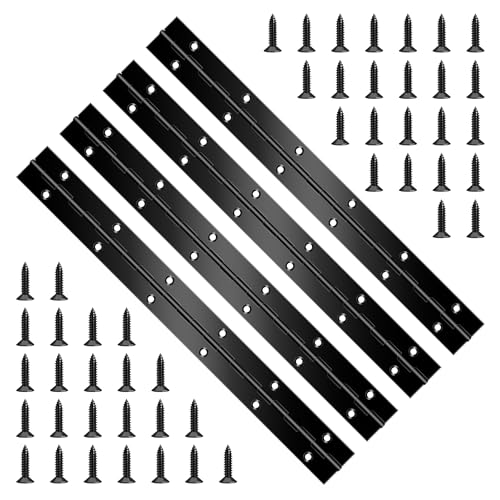
【Value package】Package Include 4 x black piano hinges with 48 x Mounting Screws. Each knuckle of continuous hinge is a load-bearing point, providing uniform strength and smooth pivot action; friction-type pins won't fall out.

2Pack Heavy Duty Piano Hinge, 2" Open Width x 20" Continuous & Piano Hinges, 0.06” Thick Stainless Steel Piano Hinge with Holes, Black Stainless Furniture Hinges for Cabinet Door Cases Woodworking

2Pack Heavy Duty Piano Hinge, 2" Open Width x 20" Continuous & Piano Hinges, 0.06” Thick Stainless Steel Piano Hinge with Holes, Polished Stainless Furniture Hinges for Cabinet Door Cases Woodworking
Adding Texture and Layers
You know, when it comes to adding texture and layers in pop music, the piano really stands out! It’s like the bright star in a clear night sky, enriching the sound by harmonizing beautifully with synthesizers and strings. This combination creates a more vibrant and full audio experience that pulls you in.
Think about how exciting it is when a piano starts off gentle and gradually increases in intensity. That emotional build-up can really hit home, especially in songs like Adele’s “Hello.” You can actually feel the weight of the moment as the piano swells.
Plus, using different types of piano sounds, like acoustic or electric pianos, adds even more interesting layers to the mix. This variety can make a song sound fresh and captivating. The way the piano interacts with other instruments just contributes so much depth, making it easy for listeners to get lost in the music. So, next time you’re listening, see if you can catch that special piano touch—it really enhances the whole experience! Incorporating elements with compensated designs can improve intonation, adding clarity and richness to the musical layering.
Influence of Piano-Based Pop Songs
You know what’s really fascinating? Piano-based pop songs have this amazing ability to create catchy and emotional experiences that we just can’t seem to shake off! Think about it: you hear that I-V-vi-IV chord progression, and suddenly you’re humming along without even realizing it. It’s like these tunes get stuck in your head!
A lot of today’s artists really know how to use the piano to set the mood. Take Adele’s “Someone Like You” or John Legend’s “All of Me,” for example. They both showcase how the piano can add a personal touch, making the lyrics hit even harder. The melodies grab our attention and stick with us long after the song ends.
And let’s not forget Billy Joel’s classic “Piano Man.” The way he uses those staccato chords to build energy is just genius! It shows how versatile the piano can be in pop music. This instrument really transforms heartfelt lyrics into something magical. It’s incredible how a few simple keys can create such emotional experiences, wouldn’t you say? Modern producers often rely on digital pianos with weighted keys to capture authentic piano sounds and dynamic expression in their recordings.
Piano as a Solo Instrument in Pop Music
You know what’s amazing? The piano really stands out as a solo instrument in pop music! It’s super versatile and can carry both melodies and harmonies, which is why it captures the hearts of so many listeners. Think about Adele’s “Someone Like You” for a moment. The way the piano sets such an intimate tone just makes you feel all the emotions, doesn’t it?
Artists like John Legend and Alicia Keys do something really special too. They often pair their incredible voices with stunning piano melodies, which really enhances their performances. You can hear how the piano elevates their songs and makes them feel more powerful.
And let’s not forget about chord progressions. The classic I-V-vi-IV progression is a favorite in pop, and it sounds beautiful on the piano. Take Elton John’s “Your Song” as an example. The way the piano transforms that tune into something so heartfelt is magical. It’s fascinating how one instrument can convey so much feeling! Do you have a favorite piano ballad?
In music production, understanding the instrument’s sound and tone is just as vital as mastering the melodies it plays.
The Evolution of Piano in Contemporary Genres
You know, the piano has really changed over the years and is such a key part of many contemporary music genres. Just think back to movements like the 1980s piano house, where electronic beats blended with catchy piano melodies, or even modern pop songs that rely on those irresistible chord progressions. It’s amazing how versatile the piano is, showing up in everything from dance tracks to emotional ballads!
Take artists like Elton John and Alicia Keys, for example. They’ve really put the piano front and center, shaping the sound of pop music in such a memorable way. And then there are hip-hop producers like Scott Storch, who craft some incredible piano hooks that make their tracks stand out. It’s this blend of styles that showcases how the piano can seamlessly fit into different genres, don’t you think?
Whether it’s for a heartfelt song or a lively dance anthem, the piano remains a powerful element in contemporary music. It’s exciting to see how it continues to evolve and inspire new artists. Speaking of which, let’s explore how different genres are incorporating piano in unique ways! Proper humidity control is essential to maintain the piano’s sound quality and structural integrity over time.
The Accessibility of Piano Technology in Music Production
You know, the piano’s journey in modern music is pretty fascinating, especially when you consider how technology has made it so much more accessible! Digital Audio Workstations, or DAWs for short, have really revolutionized the way musicians work with piano sounds. Imagine being able to blend different piano tones effortlessly—it’s like having an entire orchestra at your fingertips!
Then there’s MIDI technology, which is a game-changer in its own right. It records your piano playing note by note, so you can tweak things until they’re just right. For example, if you hit a note a little too softly, you can adjust the velocity to make it sound perfect.
Apps like Flowkey are also helpful for beginners. They turn learning the piano into a fun experience by offering interactive lessons right on your device. Plus, with loads of online tutorials available, anyone can jump in and start playing. So if you’ve ever thought about picking up the piano, now is a great time to start experimenting! What do you think? Ready to create some music? 🎹
Moreover, modern electric pianos often include weighted keys to replicate the feel of an acoustic piano, enhancing the playing experience for all skill levels.
Recommended Products

🎹 【Full-Weighted 88 key keyboard】The digital electric piano is constructed by 88 full-sized hammer action keys with adjustable touch response. This 88-key weighted keyboard allows to adjust your desired playing style.

Outstanding Sound Quality: Immerse yourself in the exceptional sound quality delivered by our digital piano, powered by the renowned French Dream5704 sound chip. The sound resonates with depth and emotion, creating a truly immersive musical experience. Choose from 8 distinct tones and explore a library of 40 demo songs that provide ample room for creativity and skill improvement.

SUPERIOR PLAYING EXPERIENCE: 88-key fully-weighted keyboard, 16-level touch sensitivity for authentic piano feel. Effortless control over dynamics for a better playing experience
Frequently Asked Questions
Does Pop Music Use Piano?
Q: Does pop music use piano?
A: Yes, piano is commonly used in pop music to enhance emotional impact. It features prominently in many famous riffs and compositions, allowing artists to create memorable melodies and harmonies that resonate with listeners.
*Tip: When writing pop songs, consider incorporating piano to add depth and emotion to your music.*
What Is the Role of the Piano in Music?
Q: What is the role of the piano in music?
A: The piano acts as a versatile instrument that supports emotional expression and creativity in music. It offers a wide harmonic foundation and melodic range, aiding in the development of songwriting skills.
Tip: Experiment with both traditional and contemporary genres to fully harness the piano’s versatility.
—
Q: How does the piano contribute to different musical genres?
A: The piano blends seamlessly across various music styles, from classical to jazz and pop. Its adaptability allows it to maintain traditional roles while evolving with modern trends.
Caveat: Be aware that some genres may require specific techniques or styles that differ significantly from classical playing.
—
Q: Can the piano elevate songwriting skills?
A: Yes, the piano enriches songwriting by providing an intuitive way to explore chords and melodies. Its tactile keys allow for immediate feedback on musical ideas, enhancing creativity.
Tip: Keep a notebook handy to jot down musical ideas that emerge while playing the piano.
What Is the 80 20 Rule in Piano?
Q: What is the 80/20 principle in piano?
A: The 80/20 principle in piano suggests that focusing on 20% of essential chord progressions and techniques can lead to 80% of your desired results. By targeting key areas, you can make your practice more efficient and productive.
*Tip: Identify and prioritize the most impactful chords and techniques that align with your musical goals.*
Q: How can the 80/20 principle improve my practice routine?
A: Optimized practice strategies, guided by the 80/20 rule, help you develop improvisational skills and versatility across genres. This concentrated focus allows for significant progress in a shorter period.
*Caveat: Ensure you don’t neglect the remaining 80%, as they can also contribute to a well-rounded skill set over time.*
Does Piano Help With Music Production?
Q: How does the piano contribute to music production?
A: The piano serves as a foundational tool in music production, aiding in songwriting and emotional expression. It provides a solid harmonic base for developing melodies, which is crucial for creating engaging music.
*Tip: Familiarize yourself with basic piano chords to enhance your songwriting process.*
Q: What role does the piano play in arrangement techniques?
A: In arrangement, the piano helps to structure and layer different musical elements, offering versatility in production. Its adaptability allows producers to experiment with various sounds, enriching the overall composition.
*Caveat: While the piano is versatile, don’t rely solely on it; explore other instruments for a fuller sound palette.*


