As an Amazon Associate, we earn from qualifying purchases. Some links on this site are affiliate links at no extra cost to you. Our recommendations are based on thorough research and editorial judgment.


4 Best Acoustic Guitars With Scalloped Bracing for Superior Sound

If you want a guitar that sounds amazing, check out the Blueridge BR-160, BR-280, and BR-180! They all have scalloped bracing, which lets the top vibrate freely for a fuller, richer sound. How cool is that? You’ll love the clarity and dynamics, perfect for strumming or fingerpicking. Plus, there’s a variety of finishes to match your style! Want even more tips to find your dream scalloped bracing guitar? Keep going!
Key Takeaways
- The Blueridge BR-160 features a solid Sitka spruce top and scalloped braces, delivering a balanced, dynamic sound ideal for various playing styles.
- Blueridge BR-280 boasts a solid Adirondack spruce top, which enhances clarity and projection, making it excellent for studio recordings and live performances.
- With a solid Sitka spruce top and elegant abalone purfling, the BR-180 combines aesthetics with superior sound quality, perfect for both strumming and fingerpicking.
- The scalloped bracing in these guitars increases resonance and tonal range, providing clear treble and strong bass response for an enriched listening experience.
- Dreadnought body size, such as those in the Blueridge lineup, complements scalloped bracing, resulting in louder sounds and deeper bass for impressive musicality.
| Blueridge BR-160 Historic Series Dreadnought Guitar | 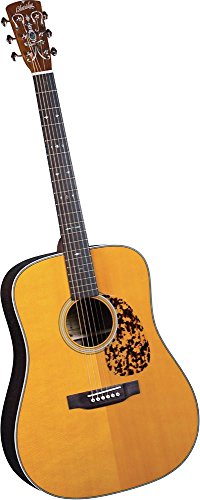 | Classic Dreadnought | Model Series: BR-160 Historic Series | Neck Material: Mahogany | Body Material: Spruce; East Indian Rosewood | VIEW LATEST PRICE | Read Our Analysis |
| Blueridge BR-280 Prewar Series Dreadnought Guitar | 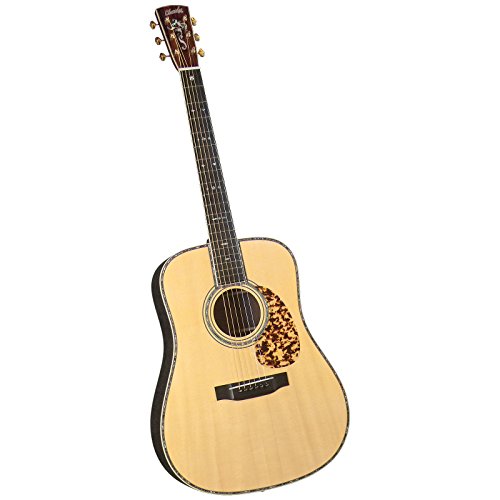 | Premium Performance | Model Series: BR-280 Prewar Series | Neck Material: Mahogany | Body Material: Solid Adirondack spruce; Santos rosewood | VIEW LATEST PRICE | Read Our Analysis |
| Baosity Spruce Brace Wood Kit for Acoustic Guitar Luthier Tool Material |  | Luthier’s Choice | Model Series: Not Applicable (Luthier Tool) | Neck Material: Not Applicable (Luthier Tool) | Body Material: Spruce | VIEW LATEST PRICE | Read Our Analysis |
| Blueridge BR-180 Historic Series Dreadnought Guitar | 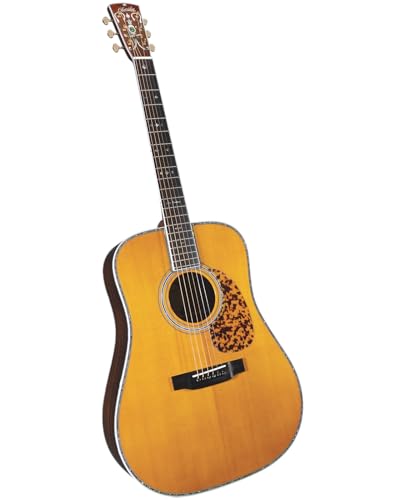 | Elegant Craftsmanship | Model Series: BR-180 Historic Series | Neck Material: Mahogany | Body Material: Sitka spruce top; Indian rosewood | VIEW LATEST PRICE | Read Our Analysis |
You may be interested


More Details on Our Top Picks
Blueridge BR-160 Historic Series Dreadnought Guitar
If you’re on the hunt for a guitar that nails that classic sound and feel, search no more than the Blueridge BR-160 Historic Series Dreadnought! This beauty features a solid Sitka spruce top with scalloped braces, giving you a crisp tone that cuts through any jam.
Not only does it look stunning with its Tobacco Sunburst color, but the solid Indian rosewood back also packs a punch with deep bass. You’ll love how smooth the mahogany neck feels, making it easy to play those tricky chords.
Get ready to impress your friends and maybe even start a band! What are you waiting for?
- Model Series:BR-160 Historic Series
- Neck Material:Mahogany
- Body Material:Spruce; East Indian Rosewood
- Hand Orientation:Right
- String Material:Phosphor Bronze
- Design Aesthetics:Vintage Style
- Additional Feature:Vintage style pickguard
- Additional Feature:Clean articulation and crisp tone
- Additional Feature:Effortless playability design
Blueridge BR-280 Prewar Series Dreadnought Guitar
Looking for a guitar that packs a punch and looks stunning while doing it? Meet the Blueridge BR-280 Prewar Series Dreadnought! This beauty features a solid Adirondack spruce top with scalloped bracing for amazing clarity and loudness.
Imagine strumming rich, deep bass from its premium solid Santos rosewood back and sides! You’ll find a slim mahogany neck, perfect for speedy action. Plus, its quality natural bone nut and saddle guarantee your tunes sound great.
Available in Black, Brown, or Ivory, it’s not just a guitar; it’s a statement! Don’t forget—the sturdy Blueridge logo bag’s included! Now, let’s play!
- Model Series:BR-280 Prewar Series
- Neck Material:Mahogany
- Body Material:Solid Adirondack spruce; Santos rosewood
- Hand Orientation:Right
- String Material:Alloy Steel
- Design Aesthetics:Available in Black, Brown, Ivory
- Additional Feature:Solid Adirondack spruce top
- Additional Feature:Focused treble response
- Additional Feature:Includes padded logo bag
Baosity Spruce Brace Wood Kit for Acoustic Guitar Luthier Tool Material
The Baosity Spruce Brace Wood Kit is a fantastic choice for anyone looking to elevate their acoustic guitar crafting skills! Seriously, this kit’s made from high-quality spruce, ensuring it holds up under pressure. It’s 18.7 inches long, perfect for your luthier projects!
You’ll find it’s designed to prevent your guitar from collapsing under string tension—kind of like a superhero for your instrument! Plus, it shapes your guitar’s sound, helping you create that rich tone you’ve always wanted.
With its smooth surface and exquisite craftsmanship, your finished guitar will look and sound amazing. Who wouldn’t want to strum something that beautiful?
- Model Series:Not Applicable (Luthier Tool)
- Neck Material:Not Applicable (Luthier Tool)
- Body Material:Spruce
- Hand Orientation:Not Applicable (Luthier Tool)
- String Material:Spruce
- Design Aesthetics:Not Applicable (Luthier Tool)
- Additional Feature:Prevents guitar collapse
- Additional Feature:Luthier DIY material
- Additional Feature:Exquisite craftsmanship design
Blueridge BR-180 Historic Series Dreadnought Guitar
When you strum the Blueridge BR-180 Historic Series Dreadnought Guitar, you’ll quickly realize it’s not just another acoustic, but a true masterpiece designed for both serious players and aspiring musicians alike!
The solid Sitka spruce top with scalloped braces delivers crisp tones that’ll make your melodies shine! Pair that with the solid Indian rosewood back and sides, which provide a rich, deep bass—it’s like magic!
You’ll love the slim mahogany neck for easy playing. Plus, those elegant touches like abalone purfling and snowflake markers? They make it look as good as it sounds! So, are you ready to rock?
- Model Series:BR-180 Historic Series
- Neck Material:Mahogany
- Body Material:Sitka spruce top; Indian rosewood
- Hand Orientation:Right
- String Material:Phosphor Bronze
- Design Aesthetics:Vintage touch with abalone purfling
- Additional Feature:Abalone purfling detail
- Additional Feature:Snowflake position markers
- Additional Feature:Diamond volute elegance
Factors to Consider When Choosing Acoustic Guitar Scalloped Bracing

When you’re choosing an acoustic guitar with scalloped bracing, there are a few key factors to keep in mind! Have you thought about the type of wood used or how the guitar’s body size affects its sound? Understanding elements like sound projection quality and ease of playability can totally change your guitar experience!
Type of Wood Used
Choosing the right wood for scalloped bracing is like selecting the perfect ingredient for your favorite recipe—each option brings its own flavor to the mix! The wood you choose seriously impacts your guitar’s sound. For the top, solid woods like Sitka spruce or Adirondack spruce are fantastic! They give your guitar amazing resonance and articulation.
Now, what about the back and sides? Dense woods like Indian rosewood add rich bass and sharp treble when paired with scalloped bracing.
Don’t forget about the bracing wood itself—usually spruce! It needs to be strong yet lightweight, able to bear string tension without losing flexibility. Pick wisely, and you’ll have an instrument that sings for years to come! Ready to rock? 🎸
Guitar Body Size
Got a guitar in mind? The body size really matters! Bigger guitars, like dreadnoughts, bring that deep bass and loud sounds you love, especially with scalloped bracing. Think of it as giving your guitar a turbo boost!
On the flip side, smaller guitars, like concert or parlor types, shine with bright treble but need special bracing to keep things balanced.
Consider how you’ll hold it, too! Larger guitars can feel like lifting weights after a while. Smaller ones are perfect for long jam sessions—you won’t feel like your arm’s in a wrestling match!
Just remember, the right body size enhances those vibrations and, ultimately, your sound! Happy strumming!
Sound Projection Quality
If you’re aiming to get the most out of your acoustic guitar, sound projection quality is super important! Scalloped bracing is a game-changer here. By removing selective wood, it lets the guitar top vibrate freely—hello, fuller tone!
You’ll notice it’s more responsive and articulate, especially in the juicy mid and high frequencies. Plus, these guitars have greater volume potential and a wider dynamic range compared to traditional bracing styles.
Want a richer sound? Scalloped bracing balances strength and flexibility, giving you better bass response while keeping those treble notes crystal clear. It’s like having a whole orchestra in your hands! So, if you want to impress your friends or just have a blast jamming, don’t overlook this amazing feature!
Ease of Playability
When you pick up a guitar with scalloped bracing, you’ll feel the difference right away! This design lets the guitar top vibrate freely, which means it responds faster to your playing. So, whether you’re strumming hard or delicately fingerpicking, you’ll notice a lighter touch and more dynamic sounds!
And guess what? Slimmer neck profiles often come with these guitars, making it super easy for your fingers to glide along the fretboard. You won’t need to exert tons of energy to make a beautiful sound!
It’s like magic—less pressure leads to clearer notes! This makes scalloped bracing perfect for everyone, whether you’re a beginner or a seasoned pro. Who wouldn’t want an easier and more expressive playing experience? Happy strumming!
Neck Construction Design
Choosing the right neck construction design is like picking the perfect wingman for your musical journey—it can make or break your playing experience!
When you explore options, think about a slim mahogany neck. It’s fast and makes those flashy riffs feel effortless. Plus, don’t ignore the joint between the neck and body—it’s essential for sound transmission!
Different necks mean different vibes! Mahogany gives warmth, while maple adds brightness. Ever tried to jam with a friend whose guitar just won’t stay in tune? Yikes!
Make sure the neck complements your guitar’s body type and bracing pattern. They team up to boost sound projection! So, ready to find your ideal guitar? Let’s strum our way to musical greatness together!
Aesthetic Appeal Factors
Let’s kick things off with the exciting world of aesthetic appeal factors when it comes to scalloped bracing in acoustic guitars! Did you know that scalloped bracing not only improves sound but also makes your guitar look stunning? The intricate internal architecture might even peek through the sound hole!
Plus, that classic curvature can give your guitar a vintage vibe, reminiscent of those magical instruments from the ’30s. Choosing beautiful materials like solid Sitka spruce or Indian rosewood adds flair too!
And hey, don’t forget about those dazzling inlays and details; they can make your guitar truly unique! So, if you’re in the market, remember: looks matter, too! Ready to impress both players and collectors? 🎸
Intended Use Cases
You’ve got an eye for beauty in acoustic guitars, but it’s time to contemplate what that stunning scalloped bracing means for how you play! If you’re into solo performances or fingerstyle, brace yourself—scalloped bracing enhances responsiveness and projection!
Recording? You’ll adore the nuanced sounds it brings out, capturing those subtle tonal highs and lows!
Are you a gig-goer? Scalloped bracing provides strong bass and clear treble, perfect for rockin’ jam sessions.
And if vintage vibes are your thing, this bracing is your best buddy—known for that warm, resonant sound from older guitars, it’s a time-traveling sonic delight!
Heavy strummer? No worries! You’ll keep your tone clear, dodging that muddiness like a pro! Isn’t that cool?
Budget Considerations
Steering through the world of acoustic guitars can feel like diving into a treasure chest full of shiny, beautiful options! But let’s talk budget, shall we? First, remember that solid woods like Sitka or Adirondack spruce usually cost more. Who knew wood could break the bank?
Also, guitars with scalloped bracing often show off high-quality craftsmanship, boosting the price tag further. Yikes!
Price ranges can vary dramatically. You can find entry-level models that won’t empty your wallet, while premium ones might cost you a small fortune!
Before you commit, compare models with similar specifications to snatch the best deal. And hey, investing in a higher-priced guitar could save you from future repair headaches. It’s like buying happiness!
Frequently Asked Questions
What Is Scalloped Bracing and How Does It Work?
Scalloped bracing is like carving a pathway through a mountain of wood! You know those curved cuts inside the guitar? They enhance the instrument’s flexibility, allowing it to vibrate more freely. This means richer, fuller sound! Imagine strumming a chord that echoes through the room—amazing, right? By removing some wood, builders create lighter, yet sturdy support. So, if you’re after powerful tones, scalloped bracing could be your new best friend!
Can I Retrofit Scalloped Bracing Onto My Existing Guitar?
You can’t easily retrofit scalloped bracing onto your existing guitar! Why? Because bracing is like the backbone of your guitar—it’s glued to the wood! You’d have to remove the top, which is a big job! Plus, getting it just right takes some serious skill. Instead, why not explore new guitars with scalloped bracing? You’ll find some amazing options that could sound incredible. Trust me, your ears will thank you! Keep strumming!
Are There Any Disadvantages to Scalloped Bracing?
While scalloped bracing can give you fantastic sound, it isn’t without its downsides! For example, some players find that it can make the guitar a bit less stable, especially during temperature changes. You might notice a loss of volume in the lower frequencies too. Think of it like a delicious cake with a touch of salt! It’s tasty, but too much can ruin the flavor. Always weigh the pros and cons before diving in!
How Does Scalloped Bracing Affect Playability?
Scalloped bracing can really amp up your playability! You’ll notice it’s easier to strum and pick, thanks to that lighter structure. Imagine dancing your fingers across the strings—it just feels good! Plus, you get a more resonant sound, making each note pop! Isn’t that awesome? However, if you’re not careful, your guitar might get a bit more sensitive to pressure. But hey, practice makes perfect, right? So, go grab your guitar and let’s make some music!
Which Wood Materials Are Best for Scalloped Bracing?
When it comes to scalloped bracing, you can’t go wrong with spruce or cedar! Spruce offers bright tones, while cedar brings warmth. It’s like choosing between chocolate or vanilla—both are delicious, right?
Try out different woods and see which sound you love best! Keep in mind, the thickness of the wood also affects the tone. Remember, “You can’t judge a guitar by its bracing!” So, strum away and have fun experimenting!


