As an Amazon Associate, we earn from qualifying purchases. Some links on this site are affiliate links at no extra cost to you. Our recommendations are based on thorough research and editorial judgment.


5 Best Bass Guitar Maple Necks for Smooth, Punchy Tone

Looking for maple bass necks that bring smooth, punchy tones? You’ll love the 4-String Electric Bass Neck with locking tuners—no more string slips! Or try the Fender Precision Bass Roasted Maple neck, with its Modern C profile and 20 medium jumbo frets for comfort and crispness. The 1951 Precision Bass neck offers a comfy U shape and classic Telecaster style. Need extra reach? The 24-fret maple neck with double truss rod keeps things stable. And don’t miss the Leo Jaymz Hurricane for a unique vibe. Curious how these features shape your sound? Let’s break it down together!
Key Takeaways
- Sturdy maple necks with smooth frets and locking tuners offer durability and prevent string slipping for consistent tone quality.
- Roasted maple necks enhance moisture resistance and sustain, delivering a smooth, punchy sound with a Modern C profile for comfort.
- U-shaped profiles with medium jumbo frets and 9.5-inch radius fingerboards provide comfort and clear, crisp tonal clarity.
- Dual truss rod maple necks improve stability and allow fine-tuning, ensuring long-term neck alignment and optimal sound performance.
- Maple necks with 20-24 frets and satin or gloss finishes promote fast playing and maintain tonal clarity across diverse music styles.
| 4-String Electric Bass Guitar Neck with Tuners |  | Best DIY Replacement | Neck Material: High-quality maple | Number of Frets: 20 frets | Fingerboard Material: Not specified (likely maple) | VIEW LATEST PRICE | Read Our Analysis |
| Fender Precision Bass Neck Roasted Maple Modern C 20 Medium Jumbo Frets |  | Authentic Fender Feel | Neck Material: 1-piece roasted maple | Number of Frets: 20 medium jumbo frets | Fingerboard Material: Maple fingerboard | VIEW LATEST PRICE | Read Our Analysis |
| Fender 1951 Precision Bass Neck Maple Fingerboard | 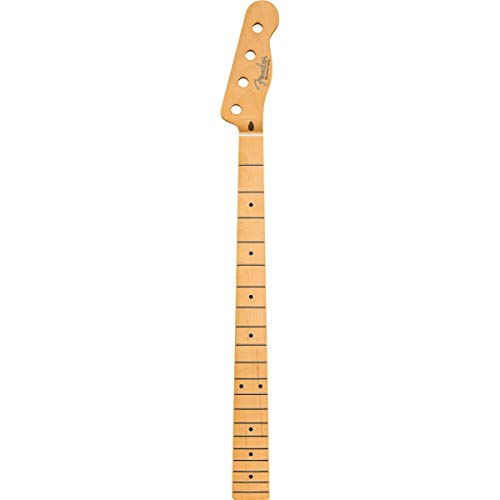 | Chunky Vintage Profile | Neck Material: 1-piece maple | Number of Frets: 20 medium jumbo frets | Fingerboard Material: Maple fingerboard | VIEW LATEST PRICE | Read Our Analysis |
| Maple 24-Fret 4-String Precision Bass Neck | | Precision Upgrade | Neck Material: Maple backbone, high-density maple core | Number of Frets: 24 frets, medium jumbo | Fingerboard Material: 34” rosewood fingerboard | VIEW LATEST PRICE | Read Our Analysis |
| Leo Jaymz Hurricane Bass Guitar TB Brown 4S | 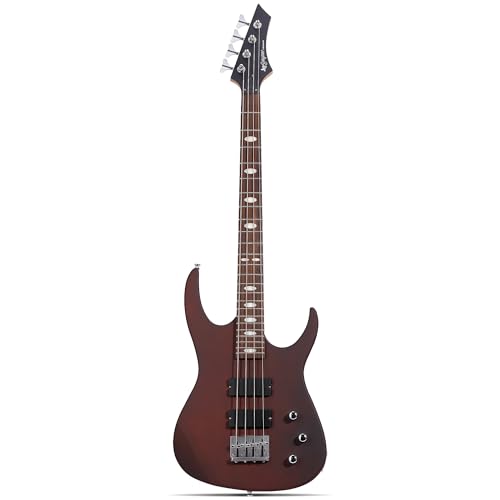 | Versatile Performance | Neck Material: Maple neck | Number of Frets: 24 frets | Fingerboard Material: Laurel fingerboard | VIEW LATEST PRICE | Read Our Analysis |
You may be interested


More Details on Our Top Picks
4-String Electric Bass Guitar Neck with Tuners
If you’re on the hunt for a maple neck that fits your bass guitar like a glove, this 4-string electric bass guitar neck with tuners might just be your new best friend! Made of sturdy maple with black binding, it offers 20 smooth frets ready to rock. Plus, locking tuners keep your strings tighter than your math test schedule—no slipping allowed!
This neck replaces your Fender jazz bass neck perfectly, whether you’re a newbie or a fretboard wizard. It even comes with four pre-assembled knobs, so installation’s a breeze. Packaged securely, it arrives ready to boost your sound and style instantly.
- Neck Material:High-quality maple
- Number of Frets:20 frets
- Fingerboard Material:Not specified (likely maple)
- Scale Length:Not explicitly stated (fits Fender jazz bass scale)
- Nut Width:Not specified
- Truss Rod:Not mentioned
- Additional Feature:Locking tuners included
- Additional Feature:Stylish black wrap design
- Additional Feature:Four pre-assembled bass knobs
Fender Precision Bass Neck Roasted Maple Modern C 20 Medium Jumbo Frets
Looking for a bass neck that feels just right whether you’re jamming at home or rocking the stage? The Fender Precision Bass Neck with roasted maple hits the sweet spot! Its one-piece roasted maple resists humidity, so no fret buzz or warping drama. Plus, that Modern C profile? Not too bulky, not too slim—perfect for any playing style.
With 20 medium jumbo frets and a smooth 9.5-inch radius fingerboard, your fingers will fly. The satin back finish feels like butter. Oh, and that “spaghetti” logo? Instant classic vibe. Ready to upgrade? This neck keeps your tone punchy and smooth!
- Neck Material:1-piece roasted maple
- Number of Frets:20 medium jumbo frets
- Fingerboard Material:Maple fingerboard
- Scale Length:Standard Fender scale (typically 34”)
- Nut Width:1.625 inches (melamine synthetic bone nut)
- Truss Rod:Implied standard, not explicitly mentioned
- Additional Feature:Roasted maple neck
- Additional Feature:Satin urethane back finish
- Additional Feature:Synthetic bone nut
Fender 1951 Precision Bass Neck Maple Fingerboard
For players with big hands craving thick, comfy necks, the Fender 1951 Precision Bass Neck shines like a beacon! Its substantial U-shaped profile feels like it was crafted just for you—chunky, rounded, with high shoulders that cradle your palm perfectly. Imagine gripping a neck that says “play me all day” without any strain. The 9.5-inch radius maple fingerboard, paired with 20 medium jumbo frets, makes fast fretting a breeze. Smooth gloss urethane back finish means your hand slides effortlessly. And hey, with that classic Telecaster headstock look, why wouldn’t you want to rock this vintage gem?
- Neck Material:1-piece maple
- Number of Frets:20 medium jumbo frets
- Fingerboard Material:Maple fingerboard
- Scale Length:Standard Fender scale (34” typical)
- Nut Width:1.625 inches (melamine synthetic bone nut)
- Truss Rod:Not mentioned
- Additional Feature:Chunky U-shaped profile
- Additional Feature:Gloss urethane back finish
- Additional Feature:Telecaster-style headstock
Maple 24-Fret 4-String Precision Bass Neck
A maple 24-fret 4-string precision bass neck is an absolute game-changer for bass players who want that perfect balance of tone, playability, and style. This neck features a 34” rosewood fingerboard and is designed as a drop-in replacement for your PB bass or electric guitar—talk about an instant upgrade!
Why the maple magic? Its rigid backbone enhances low-B punch, while the high-density core boosts volume and note clarity. Plus, the double truss rod keeps your neck precision-straight and mirror-polished—no warping worries!
Installing is a breeze with a slim heel profile; just grab your screwdriver! Ready to rock?
- Neck Material:Maple backbone, high-density maple core
- Number of Frets:24 frets, medium jumbo
- Fingerboard Material:34” rosewood fingerboard
- Scale Length:34 inches
- Nut Width:42 mm
- Truss Rod:Double truss rod pre-installed
- Additional Feature:Double truss rod installed
- Additional Feature:Slim heel profile
- Additional Feature:Mirror-polished neck
Leo Jaymz Hurricane Bass Guitar TB Brown 4S
If you crave a bass guitar that combines style with serious versatility, the Leo Jaymz Hurricane Bass Guitar TB Brown 4S might just be your new best friend! Its 24-fret maple neck feels smooth and fast thanks to a laurel fingerboard that’s both comfy and cool-looking with mother-of-pearl inlays. Wondering about tone? This bass nails it with dual humbuckers delivering warm, thick sounds or sharp, punchy tones — perfect for any jam session.
Made with Okoume body wood, it stays light but solid. Whether you’re practicing or rocking a live show, it’s built tough. Ready to make some noise?
- Neck Material:Maple neck
- Number of Frets:24 frets
- Fingerboard Material:Laurel fingerboard
- Scale Length:762 mm (30 inches)
- Nut Width:Not specified
- Truss Rod:Not mentioned
- Additional Feature:Dual humbucker pickups
- Additional Feature:Laurel fingerboard material
- Additional Feature:Mother-of-pearl inlays
Factors to Consider When Choosing a Bass Guitar Maple Neck

Choosing the right maple neck for your bass guitar can totally change how you play and feel the music! Ever wondered how neck shapes, fret sizes, or even the scale length impact your groove? Let’s break down these factors so you can find the perfect fit—no more guessing, just rocking!
Neck Profile Types
Since your hands are the true heroes of bass playing, the neck profile you pick can make or break your comfort and style! Wondering which shape fits you? The most popular is the C profile—a smooth, rounded feel that suits almost everyone. It’s like the “Goldilocks” of necks: not too thick, not too thin.
If you’ve got bigger hands or prefer a chunkier grip, the U-shaped neck offers a wide, round feel with high shoulders that support your fingers like a comfy pillow.
There’s also the V profile, which angles differently, but it’s a bit more old-school.
Try imagining your hand as a “claw” gripping a soft toy—the neck shape decides how comfy that grip feels. Pick well, and you’ll play longer without cramps!
Fingerboard Radius Impact
Even though it might seem like a tiny detail, the fingerboard radius can totally change how your fingers feel on the neck! Imagine the radius as the curve across the fretboard’s width—like the arc of a smile. Smaller radius (around 7.25″) means a rounder curve, perfect if you love classic blues or jazz chords. Your fingers will thank you when gripping chords easily!
Now, if you want to shred or bend notes fast, a flatter radius (12″+) works wonders by giving your strings space to glide. Most basses hit the sweet spot at about 9.5 inches—nice and comfy for both rhythm and lead!
Fret Size and Number
When you pick up a bass with medium-jumbo frets, don’t be surprised if your fingers suddenly feel like guitar heroes—easy and ready to bend those strings! Medium-jumbo frets strike the perfect balance: not too big to feel clunky, not too small to lose that smooth gliding action.
Now, about fret numbers—did you know most basses offer between 20 and 24 frets? More frets mean greater note range for solos and melodies, while 20 frets keep things classic and familiar.
Here’s a quick tip: check your fingerboard radius alongside fret size. A 9.5” radius with medium-jumbo frets encourages fast playing and smooth shifts.
Pick a neck that feels great under your fingers, and watch your tone and technique soar. Ready to rock?
Maple Material Benefits
You’ve got your frets sized just right, but what about the neck material itself? Maple necks are rock stars when it comes to durability. They resist humidity like a champ, so your bass stays reliable no matter the weather—no more fretboard meltdowns! With maple’s natural density, your notes get extra sustain and a bright, punchy voice. Imagine your sound shining through a sunny day.
Roasted maple adds a tasty twist: it looks sleek and keeps moisture at bay, boosting sustain further. Plus, the satin or gloss finish feels like butter under your fingers for smooth moves.
Got bigger hands? Maple’s medium to chunky neck profile gives you a comfy grip, making those smashing riffs a breeze. Maple necks—built tough, play smooth!
Scale Length Importance
Scale length might sound like just a boring measurement, but trust me—it’s a game-changer! It’s the distance from the nut to the bridge, usually 34 inches on standard basses. This length affects string tension, tone, and how comfortable the neck feels. Think of it like shoe size for your fingers!
Longer scales give you brighter tones and more sustain—great for jazz or clear, ringing notes. Shorter scales offer warmer sounds and easier string bending, perfect if you’ve got smaller hands or want punchy rock vibes.
Here’s a quick formula: Scale length ÷ number of frets = fret spacing. Make it too long or short, and your bass could sound off or feel cramped. So, picking the right scale length? It’s like finding your perfect fit!
Installation and Compatibility
Finding the right bass guitar maple neck goes beyond just loving the feel or sound—it’s about making sure it fits your instrument like a glove! First, double-check the scale length; it needs to match your body perfectly for smooth playability. Next, peek at tuner hole sizes and nut width—think of them as puzzle pieces—you want a perfect fit without forcing anything. Dropping in a neck? Look for “drop-in” designs—they make installation a breeze, no major surgery required! Don’t forget about the truss rod: a double rod means better neck stability and fine tuning options. Finally, match the neck profile to your hands—thicker for power players, slimmer for speed demons. Ready to screw it all in and rock out? You got this!
Frequently Asked Questions
How Does Maple Wood Affect Bass Guitar Sustain?
Maple wood boosts sustain on your bass because it’s super dense and stiff—it holds vibrations longer! Think of it like a trampoline: the firmer it is, the longer the bounce. This means your notes ring out clear and steady, giving you that smooth, punchy vibe. So, when you play a deep groove, maple helps keep those sounds alive. Cool, right? Just don’t try to bounce on your bass neck!
Can Maple Necks Be Customized for Left-Handed Players?
Of course, maple necks can be customized for left-handed players! It’s not rocket science—luthiers flip the design like a pancake. They reverse the fretboard orientation, reposition the tuners, and adjust the cutaways for comfort. Imagine a simple formula: Mirror = Lefty Neck. Step 1: Swap string order. Step 2: Reverse fretboard markers. Done! So, if you’re lefty, don’t fret—your perfect maple neck is totally doable! Why struggle when you can customize?
What Maintenance Is Required for Maple Bass Guitar Necks?
You’ll want to wipe your maple neck with a dry cloth after every jam session—think of it like giving your bass a little spa treatment! Every few months, apply a lemon oil conditioner to keep that wood smooth and prevent cracks. Don’t soak it; a little goes a long way! Check the neck’s straightness regularly and adjust the truss rod if it bows. Easy steps, right? Your bass will thank you!
Are Maple Necks Suitable for Beginners?
Yes, maple necks are great for beginners! They’re sturdy and hold tuning well, meaning fewer headaches while you’re learning. Imagine a neck that’s smooth like butter but tough like a superhero—that’s maple for you! It offers bright tones, helping you hear every note clearly. Plus, caring for it is easy—just wipe it down after playing. Ready to rock? Your maple-necked bass is the perfect buddy to kickstart your bass journey!
How Does Humidity Impact Maple Bass Guitar Necks?
Did you know that humidity changes can make your maple bass neck swell or shrink by up to 0.5%? That might sound tiny, but it can twist your neck! When humidity’s high, maple wood absorbs moisture, expanding and bending your bass out of tune. Keep it at 40-50% humidity, use a guitar humidifier, and store your bass in a case. Think of it as giving your bass a comfy, balanced spa day!


