As an Amazon Associate, we earn from qualifying purchases. Some links on this site are affiliate links at no extra cost to you. Our recommendations are based on thorough research and editorial judgment.


10 Best Digital Piano Polyphony Options for Richer Sound Depth

Looking for richer sound depth on your digital piano? You’ll want models with high polyphony so your notes don’t cut off mid-song! Check out options like the Donner DDP-50 or OURA R300 with 256-note polyphony, or the Casio CDP-S360’s 128 notes for smooth layering. Beginners might try the ONE Smart Keyboard with 64 notes, but pros love 128+ for complex pieces. Curious about weighted keys, Bluetooth, or fancy features? Stick around—there’s more to explore!
Key Takeaways
- Digital pianos with 128-note polyphony or higher provide richer sound depth by preventing note dropout during complex performances.
- Models like the Donner OURA R300 and DDP-200 offer 256-note polyphony, ideal for professional-level sound clarity.
- Higher polyphony supports sustained chords, layering, and expressive playing without losing sound quality or note cutoff.
- Beginners can start with 64-note polyphony, but progressing players should aim for 128-note or more for better audio richness.
- Premium digital pianos balance advanced polyphony with weighted keys and connectivity features for enhanced musical versatility.
| The ONE Smart Keyboard COLOR 61-Key Pink Piano |  | Best For Beginners | Number of Keys: 61 keys | Polyphony: 64-note polyphony | Weighted Keys: No (61 lighted keys, not weighted) | VIEW LATEST PRICE | Read Our Analysis |
| Ktaxon 88-Key Weighted Bluetooth MIDI Piano Keyboard | 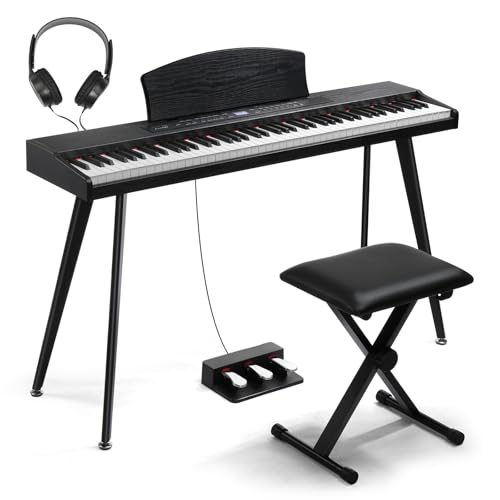 | Expressive Performance | Number of Keys: 88 keys | Polyphony: 64-note polyphony | Weighted Keys: Semi-weighted keys | VIEW LATEST PRICE | Read Our Analysis |
| Casio CDP-S360 Slim 88-Key Digital Piano |  | Ultra Portable | Number of Keys: 88 keys | Polyphony: 128-note polyphony | Weighted Keys: Weighted scaled hammer-action keys | VIEW LATEST PRICE | Read Our Analysis |
| Donner OURA R300 88-Key Weighted Digital Piano | 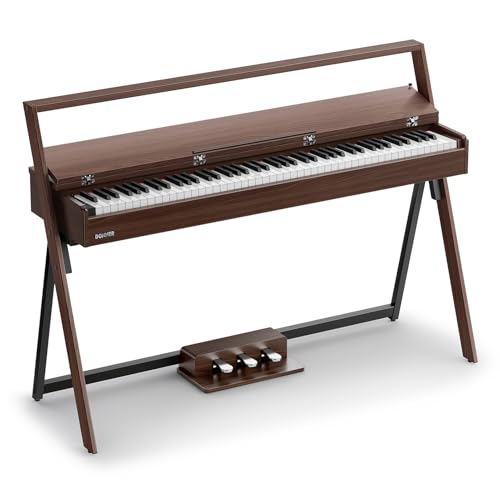 | Premium Sound & Design | Number of Keys: 88 keys | Polyphony: 256-note polyphony | Weighted Keys: Fully weighted graded hammer keys | VIEW LATEST PRICE | Read Our Analysis |
| Donner DDP-300 Digital Piano with Weighted Keys |  | Rich Audio Experience | Number of Keys: 88 keys | Polyphony: 128-note polyphony | Weighted Keys: Fully weighted graded hammer keys | VIEW LATEST PRICE | Read Our Analysis |
| Donner DDP-200 88-Key Weighted Digital Piano | 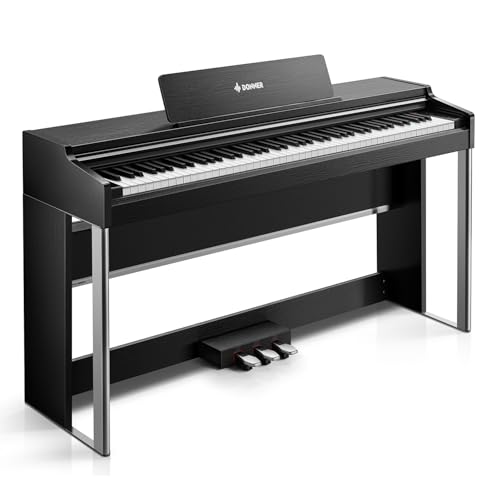 | Interactive Learning | Number of Keys: 88 keys | Polyphony: 256-note polyphony | Weighted Keys: Fully weighted graded hammer keys | VIEW LATEST PRICE | Read Our Analysis |
| Yamaha DGX-670B 88-Key Weighted Digital Piano | 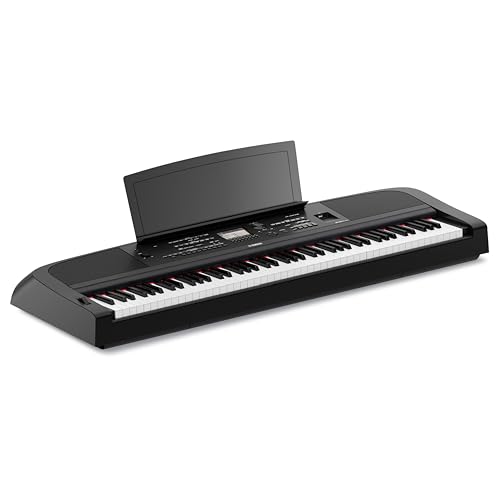 | Advanced Features | Number of Keys: 88 keys | Polyphony: Not specified explicitly (but likely high-quality weighted keys) | Weighted Keys: Fully weighted graded hammer keys | VIEW LATEST PRICE | Read Our Analysis |
| Donner DDP-50 Weighted 88-Key Digital Piano Set | 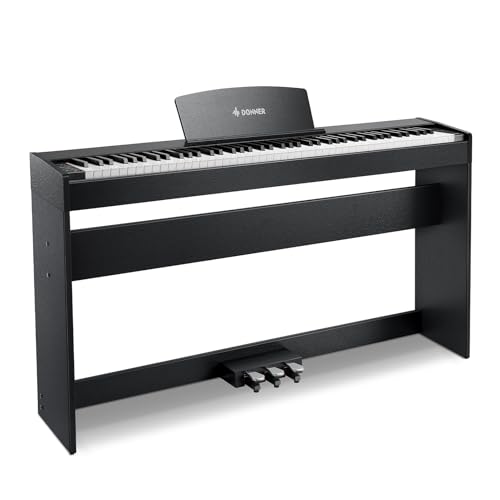 | Complete Starter Kit | Number of Keys: 88 keys | Polyphony: 256-note polyphony | Weighted Keys: Fully weighted hammer action keys | VIEW LATEST PRICE | Read Our Analysis |
| Donner DEP-16A 88-Key Weighted Digital Piano |  | Beginner Friendly | Number of Keys: 88 keys | Polyphony: 200-note polyphony | Weighted Keys: Weighted hammer action keys | VIEW LATEST PRICE | Read Our Analysis |
| Alesis Recital Pro 88-Key Digital Piano Keyboard | 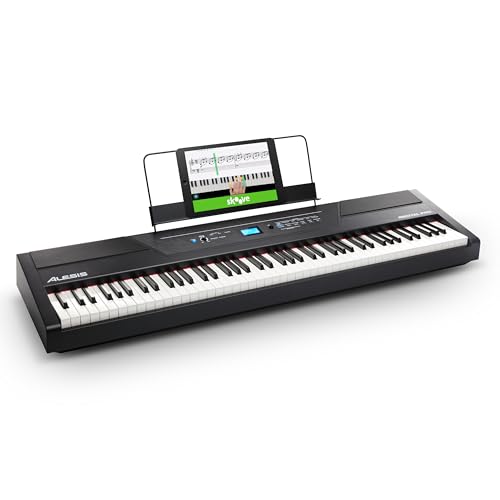 | Interactive Lessons | Number of Keys: 88 keys | Polyphony: 128-note polyphony | Weighted Keys: Weighted hammer action keys | VIEW LATEST PRICE | Read Our Analysis |
You may be interested


More Details on Our Top Picks
The ONE Smart Keyboard COLOR 61-Key Pink Piano
If you’re just starting out on the piano journey, the ONE Smart Keyboard COLOR 61-Key Pink Piano is an awesome spot to begin! With 64-note polyphony, it lets you play rich chords without notes dropping out. Imagine pressing a bunch of keys, and every note keeps sounding—pretty cool, right?
Its 61 full-sized keys feel just right, and the built-in LED lights guide your fingers like a magic trail. Plus, you get access to 4,000+ sheet music and 100 videos through apps—learning one hand at a time. And hey, it’s pink! Who said practice can’t be fun?
- Number of Keys:61 keys
- Polyphony:64-note polyphony
- Weighted Keys:No (61 lighted keys, not weighted)
- Bluetooth Connectivity:Yes
- Speaker Power / Built-in Speakers:2 speakers, 3W each
- Connectivity Options (MIDI/USB/Headphone):USB Host/OTG, MIDI input/output, headphone jack (3.5mm)
- Additional Feature:Built-in LED light guide
- Additional Feature:Access to 4000+ sheet music
- Additional Feature:Lightweight, portable design
Ktaxon 88-Key Weighted Bluetooth MIDI Piano Keyboard
Ready to release your inner pianist with one of the coolest keyboards out there? The Ktaxon 88-Key Weighted Bluetooth MIDI Piano Keyboard packs a punch, with 88 semi-weighted keys that respond just right—neither too stiff nor too soft. You get 64-note polyphony, letting your music flow smoothly without dropping sounds.
Plus, it’s loaded with 128 rhythms and GM tones, plus a triple pedal setup for rich, expressive play. Want to jam wirelessly? Bluetooth’s got you covered! The wood grain finish? Stylish enough for your living room but sleek enough for stage-ready gigs. Ready to wow your ears?
- Number of Keys:88 keys
- Polyphony:64-note polyphony
- Weighted Keys:Semi-weighted keys
- Bluetooth Connectivity:Yes
- Speaker Power / Built-in Speakers:Built-in stereo speakers (power not specified)
- Connectivity Options (MIDI/USB/Headphone):MIDI functionality, headphone jack included
- Additional Feature:Triple pedal system included
- Additional Feature:Wood grain finish design
- Additional Feature:Adjustable bench height
Casio CDP-S360 Slim 88-Key Digital Piano
Looking for a digital piano that feels just like the real deal? The Casio CDP-S360 Slim 88-Key Digital Piano is your answer! With 88 weighted, scaled hammer-action keys and simulated ivory textures, it mimics a grand piano’s touch perfectly. Weighing only 24 lbs and sporting a slim design, it’s super portable—great for your apartment, dorm, or even a park picnic jam session!
Did I mention the 128-note polyphony? That means you get rich, layered sounds without notes cutting off. Plus, with 700 tones, duet mode, and USB-MIDI connectivity, you’re set for practice, gigs, or songwriting. Ready to play?
- Number of Keys:88 keys
- Polyphony:128-note polyphony
- Weighted Keys:Weighted scaled hammer-action keys
- Bluetooth Connectivity:Not mentioned
- Speaker Power / Built-in Speakers:Not stated, but includes AC adapter and battery for portability
- Connectivity Options (MIDI/USB/Headphone):USB-MIDI connectivity, compatible with smart devices
- Additional Feature:Simulated ivory/ebony textures
- Additional Feature:6-track recorder feature
- Additional Feature:Battery power option
Donner OURA R300 88-Key Weighted Digital Piano
The Donner OURA R300 is an absolute dream for serious piano players craving that real, concert-hall vibe right at home! With 256-note polyphony, you get richer, fuller sound—no notes cut off even during complex pieces. Its 88 weighted keys mimic an acoustic piano’s touch perfectly, so your fingers feel right at home. You’ll love the half-pedal feature, which lets you control sustain like a pro.
Plus, the walnut wood finish pairs beautifully with your living room. Bluetooth MIDI and audio? Yes, please! Who knew technology could sound this natural and look this classy?
- Number of Keys:88 keys
- Polyphony:256-note polyphony
- Weighted Keys:Fully weighted graded hammer keys
- Bluetooth Connectivity:Yes
- Speaker Power / Built-in Speakers:2 x 15W speakers
- Connectivity Options (MIDI/USB/Headphone):Bluetooth MIDI + Audio, USB MIDI (implied)
- Additional Feature:Graded hammer standard keyboard
- Additional Feature:Half-pedaling across three pedals
- Additional Feature:American Rustic design style
Donner DDP-300 Digital Piano with Weighted Keys
Imagine having a digital piano that feels just like the real deal under your fingers—that’s exactly what the Donner DDP-300 delivers! With 88 graded hammer action weighted keys, it mimics a classic piano’s touch perfectly—heavier bass keys and lighter trebble keys—so your hands get the full authentic experience.
Its 128-note polyphony means you can play complex pieces without losing a single note. Plus, 10 HD voices and a rich stereo system with dual tweeters and a subwoofer create a fantastic 3D sound.
Want to split the keyboard for lessons? The partition mode’s got you covered! Bluetooth, pedals, and more—it’s pretty much a powerhouse. Ready to jam?
- Number of Keys:88 keys
- Polyphony:128-note polyphony
- Weighted Keys:Fully weighted graded hammer keys
- Bluetooth Connectivity:Yes
- Speaker Power / Built-in Speakers:Stereo system with dual tweeters and subwoofer (power not specified)
- Connectivity Options (MIDI/USB/Headphone):MIDI, Audio output, Bluetooth, headphone jacks (2)
- Additional Feature:Partition mode for teaching
- Additional Feature:3D surround sound system
- Additional Feature:Metal pedals for performance
Donner DDP-200 88-Key Weighted Digital Piano
If you’re craving a piano that feels just like the real deal, with 88 weighted keys that respond to your every touch, the Donner DDP-200 is calling your name! This keyboard’s got 256-note polyphony, so no note gets cut off, even when you play full chords or layered sounds. Imagine playing with dual tones or two keyboards at once—how cool is that?
The 2.4″ color screen makes navigation a breeze. Plus, 2 × 25W speakers deliver rich stereo sound. Don’t worry about pitch—it stays stable! And with Melodics software included, learning feels fun and easy!
- Number of Keys:88 keys
- Polyphony:256-note polyphony
- Weighted Keys:Fully weighted graded hammer keys
- Bluetooth Connectivity:Yes
- Speaker Power / Built-in Speakers:2 x 25W stereo speakers
- Connectivity Options (MIDI/USB/Headphone):MIDI, USB, headphone jacks
- Additional Feature:2.4″ color touch screen
- Additional Feature:Pitch stabilization system
- Additional Feature:Melodics and Donner app
Yamaha DGX-670B 88-Key Weighted Digital Piano
Looking for a digital piano that feels just like the real thing? The Yamaha DGX-670B nails it with its 88 weighted keys—heavier in the bass, lighter in the treble—just like an acoustic piano. Imagine your fingers dancing on keys that respond naturally!
With 630 instrument voices, from pianos to funky organs and strings, you can explore endless sounds. The CFX Stereo Sampling makes your grand piano sound downright majestic. Plus, 263 automatic styles adapt to how you play—rock out or slow jam; your band’s got your back!
Need accessories? It’s got sustain pedal, music rest, and more. Ready to impress?
- Number of Keys:88 keys
- Polyphony:Not specified explicitly (but likely high-quality weighted keys)
- Weighted Keys:Fully weighted graded hammer keys
- Bluetooth Connectivity:Not mentioned
- Speaker Power / Built-in Speakers:Built-in speakers (power not specified)
- Connectivity Options (MIDI/USB/Headphone):Headphone jack, microphone input, MIDI (implied)
- Additional Feature:CFX Stereo Sampling sound
- Additional Feature:263 automatic styles
- Additional Feature:Microphone input included
Donner DDP-50 Weighted 88-Key Digital Piano Set
The Donner DDP-50 Weighted 88-Key Digital Piano Set is a fantastic choice if you want a serious instrument with tons of power under the hood! It offers 256-note polyphony, meaning you’ll get rich, full sound even during complex pieces. With its full-weighted hammer action keys, playing feels just like an acoustic piano.
Wondering about sounds? You get 375 timbres and 10 drum tones—perfect for mixing genres! Plus, the dual keyboard mode lets you split the keys, great for duets or teaching. Don’t forget the handy Donner Music APP and Melodics software, helping you learn step-by-step. Ready to wow your ears?
- Number of Keys:88 keys
- Polyphony:256-note polyphony
- Weighted Keys:Fully weighted hammer action keys
- Bluetooth Connectivity:Not mentioned explicitly
- Speaker Power / Built-in Speakers:Speakers included, power not specified
- Connectivity Options (MIDI/USB/Headphone):USB port, pedal connector, headphone jack
- Additional Feature:Comes with furniture stand
- Additional Feature:One-key chords function
- Additional Feature:Supports dual keyboard mode
Donner DEP-16A 88-Key Weighted Digital Piano
Your musical journey just got a serious upgrade with the Donner DEP-16A 88-Key Weighted Digital Piano! Imagine hammer-action keys that feel just like a real piano, with touch you can adjust to your mood. It boasts 200-note polyphony, so even the busiest pieces sound clear—no unwanted note dropouts!
With 238 instrument sounds—from ukulele to drums—you can layer two tones at once in dual-keyboard mode. The LCD screen shows chords and notes, making practice a breeze. Need a cool feature? It records MIDI and plays MP3s through dual 15W speakers. Portable and beginner-friendly—ready to rock your world?
- Number of Keys:88 keys
- Polyphony:200-note polyphony
- Weighted Keys:Weighted hammer action keys
- Bluetooth Connectivity:Not mentioned
- Speaker Power / Built-in Speakers:Two 15W amplifiers
- Connectivity Options (MIDI/USB/Headphone):USB MIDI, audio inputs/outputs, pedal control
- Additional Feature:LCD chord and notation display
- Additional Feature:MP3 player included
- Additional Feature:Slim transportable design
Alesis Recital Pro 88-Key Digital Piano Keyboard
If you’ve ever dreamed of playing a full-sized piano without the hassle of lugging around a giant instrument, the Alesis Recital Pro 88-Key Digital Piano Keyboard is your new best friend! With weighted hammer-action keys and adjustable touch, it feels just like the real deal.
Imagine 12 voices—from acoustic pianos to synths—layered with cool effects like reverb and chorus. Plus, its 128-note polyphony means your chords won’t cut off mid-play. Hook up a sustain pedal or headphones to customize your sound experience, or even run it on batteries for ultimate portability. Ready to rock anywhere?
- Number of Keys:88 keys
- Polyphony:128-note polyphony
- Weighted Keys:Weighted hammer action keys
- Bluetooth Connectivity:Not mentioned
- Speaker Power / Built-in Speakers:Dual 20W speakers
- Connectivity Options (MIDI/USB/Headphone):Sustain pedal input, headphone output, stereo outputs
- Additional Feature:3-month Skoove subscription
- Additional Feature:30-day Melodics lessons
- Additional Feature:Battery or adapter powered
Factors to Consider When Choosing Digital Piano Polyphony

Ready to reveal the secrets of digital piano polyphony? You’ll want to understand how polyphony affects sound quality, especially when playing complex pieces or layering sounds. Plus, ever wonder what happens when you hold down the sustain pedal? Let’s break it down!
Understanding Polyphony Basics
Although polyphony might sound like a fancy word, it simply means how many notes your digital piano can play at the same time. Think of it as the piano’s “note capacity.” If your piano has 64-note polyphony, it can handle simple songs just fine. But what if you love playing with sustain pedals or complex chords? That’s when 128 notes or more become super useful—more notes let you layer sounds without any “note dropout” drama.
Imagine pressing lots of keys and holding the pedal; your piano juggles all these sounds simultaneously. Less polyphony means some notes vanish, like a magic trick gone wrong! So, start with 64 if you’re a beginner, but aim higher if you want to nail professional-level pieces. Easy, right? Happy playing!
Impact on Sound Quality
Now that you know what polyphony means, let’s explore how it shapes the sound you actually hear. Imagine playing a song full of chords and holding down pedal notes—if your piano has low polyphony, some notes might get cut off early. Yikes! That ruins the magic, right?
At least 64-note polyphony is your ticket to smooth, uninterrupted play. Want to go deeper? 128 notes let every note ring out, even in complex layers. Professionals love 256-note polyphony because it handles every subtle nuance without breaking a sweat.
Think of polyphony as the piano’s multitasking ability—more notes, richer sound! So, when choosing yours, ask: How many notes can it keep singing together? The answer makes all the difference!
Role in Complex Pieces
When you plunge into complex piano pieces, the number of notes your digital piano can handle at once becomes a game changer! Imagine playing a chord, adding a melody on top, and holding a sustained note—all simultaneously. If your polyphony isn’t high enough, some notes vanish like magic tricks gone wrong.
For basic tunes, 64-note polyphony works, but complex pieces? You’ll want at least 128 notes. Think of polyphony as the piano’s “note limit.” Exceed it, and notes drop out, making your masterpiece sound like a sloppy jam session.
Want to stay clear and full-sounding during fast note sequences? Aim for 256 notes if your music calls for rich, layered expressions. Your fingers (and ears) will thank you for choosing a piano that keeps up!
Polyphony and Layering
Playing complex music isn’t just about the number of notes you hit at once—it’s also about how beautifully those notes blend together. Imagine juggling balls: the more you throw, the crazier it looks! That’s layering in digital pianos—combining different sounds for a richer tune.
But here’s the catch: your piano’s polyphony has to keep up. If it’s only 64 notes, layering might cause dropped notes, making your melody glitchy—yikes! Opt for 128 or more polyphony to let your sounds mix smoothly without missing a beat.
Try this quick formula: Total notes played (including layers) ≤ Polyphony count. Keep that in mind, and your music will sound full, dynamic, and professional—ready to wow any crowd! Cool, right?
Effect on Sustain Pedal
Ever noticed how magical a good sustain pedal feels? When you press it, notes blend smoothly, creating that lush, rich sound you love. But here’s the catch: polyphony decides how many notes stay alive together!
If your piano has 64-note polyphony, hitting the sustain pedal might cause earlier note dropouts—like a party where some guests get kicked out too soon. Not cool, right? With 256-note polyphony, every note from complex chords sticks around without disappearing mid-song!
Think of polyphony like a big bucket catching all those sustained notes. More polyphony means bigger buckets—no notes lost! So, if you play Romantic-era music or love deep, layered sounds, choose a digital piano with high polyphony. Your sustain pedal will thank you…and so will your ears!
Polyphony vs. Price
Picking the right polyphony for your digital piano can feel like choosing between a cozy cafe or a fancy concert hall—both are great, but one fits your vibe (and budget) better! Budget models usually offer around 64-note polyphony. Think of it as a small cafe: enough for casual play but may run out of tables—err, notes—quickly when chords pile up or you use layering.
On the other hand, pricier pianos boast 128 or even 256 notes, like a grand concert hall letting your music breathe fully! More notes let you play complex pieces without notes dropping out, especially with a sustain pedal or layered sounds. So, balance your budget with polyphony needs to get rich sound without overspending—no need to buy a concert hall if a cozy cafe suits your style!
Future-Proofing Your Purchase
Even if you’re just starting out or feel set with your current skills, thinking ahead about your digital piano’s polyphony can save you big headaches down the road! Imagine playing a complex piece with only 64-note polyphony—some notes might mysteriously vanish. Annoying, right? Aim for 128 or even 256 notes if you want rich, layered sounds without dropped notes.
Don’t forget: future-proofing isn’t just about numbers. Check for MIDI connectivity. Why? Because it lets you link your piano to cool software and devices—think of it as giving your instrument superpowers! Plus, recording and playback features often suck up polyphony, so choose wisely.
Want your piano to grow with you? Pick higher polyphony—your future self will thank you (and so will your music!). Ready to play like a pro?
Polyphony in Learning Tools
Anyone looking to learn piano knows that sound matters—a lot! Polyphony is your secret weapon here—it’s how many notes your piano can play at once. Think of it like juggling: the more balls (notes) you can handle, the cooler your performance looks—and sounds!
For beginners, 64-note polyphony often does the trick. It lets you play most songs without missing a beat. But if you’re diving into complex pieces or layering sounds, you’ll want 128 or more. Imagine playing chords while holding a melody—higher polyphony keeps those notes from dropping like hot potatoes.
Learning tools with higher polyphony make practice way more fun, too! You get richer sounds that feel like a full band backing you up. So, when choosing your digital piano, remember: the bigger the polyphony, the better your learning journey!
Frequently Asked Questions
How Does Polyphony Affect Piano Layering and Split Functions?
Polyphony lets you play multiple notes at once without cutting sounds off—perfect for layering and split functions! Imagine this: if your polyphony’s low, notes vanish like magic tricks gone wrong. For layering, both sounds add up, so polyphony doubles! Splitting means two keyboard sections play different tones simultaneously—each using polyphony too. Want rich, full music? Go big on polyphony, or your sweet layers might sound like they’re ghosting you! Easy, right?
Can Digital Piano Polyphony Impact Latency or Response Time?
Polyphony can affect latency a bit, but it’s usually tiny—like a blink! Think of polyphony as how many notes your piano can play at once. More notes mean more work for the processor, which *might* slow things down. Imagine juggling: 2 balls is easy, 64? Whew! But digital piano tech is sharp, so unless you’re pushing it hard, latency stays low. Play on, master juggler!
What Is the Difference Between Polyphony and Multitimbrality?
Think of polyphony as how many choir members sing at once—more voices, richer sound! It’s the number of notes your piano plays together. Multitimbrality? That’s like having different choir sections—soprano, alto, bass—each with unique sounds playing simultaneously. So, polyphony = note count, multitimbrality = sound variety. Got it? Polyphony tells *how many* notes ring, multitimbrality shows *what* instruments or tones you hear! Cool, right?
How Do Operating Systems Influence Digital Piano Connectivity?
Operating systems determine how your digital piano connects to a computer or tablet! Windows, Mac, and iOS each use different drivers and protocols. For example, Windows might need specific USB drivers, while Macs often recognize devices instantly—like magic! To connect, plug in your USB, then check your OS’s sound or MIDI settings. If it’s tricky, don’t panic—just update drivers or restart. Who knew OS choices could be so musical?
Are There Specific Polyphony Needs for Music Genres Like Jazz or Classical?
Oh, absolutely! Jazz and classical demand different “note superpowers.” You’ll want at least 64-note polyphony for jazz to handle messy chords and pedal tricks without cutting sounds—imagine a crowded jam session! Classical? Go higher, like 128 notes, because of long, sustained pedals and complex harmonies (think Beethoven swarming your ears!). Use this mini-table:
| Genre | Recommended Polyphony |
|---|---|
| Jazz | 64+ notes |
| Classical | 128+ notes |
Now, ready to wow your ears?


