As an Amazon Associate, we earn from qualifying purchases. Some links on this site are affiliate links at no extra cost to you. Our recommendations are based on thorough research and editorial judgment.


10 Best Guitar Scale Lengths That Improve Your Playing Style

Want to nail your best playing style? Start with scale length! Shorter scales like 24.75″ make bends easier and sound warmer—perfect for blues or rock. Longer scales around 25.5″ crank string tension for bright, clear notes and more sustain, great for metal or folk. A bass at 30″ gives tight, balanced fingerwork. Don’t forget: matching string gauge and neck feel makes all the difference. Curious how these choices shape your tone and comfort? Keep exploring!
Key Takeaways
- Shorter scales (around 24.75″) improve playability with easier string bends and warmer tones, ideal for blues and jazz styles.
- Longer scales (25.5″ or more) offer tighter string tension, bright tones, and better sustain, suitable for rock and metal genres.
- Medium scale lengths balance tone warmth and clarity, making them versatile for country, garage rock, and fingerstyle playing.
- Matching string gauge with scale length optimizes playability, tone, and string tension for personalized comfort and sound.
- Fine adjustments of neck material, thickness, and setup (truss rod, intonation) enhance overall playing style and tonal quality.
| Electric Guitar Neck with Blackwood Fingerboard | 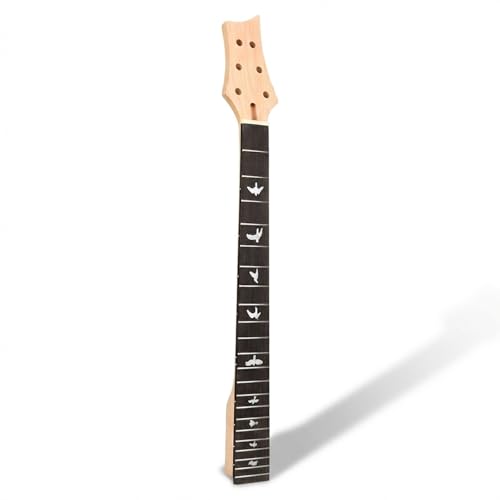 | Solid Wood Precision | Scale Length: 24-3/4 Inch | Number of Frets: 22 Frets | Material Type: Solid Wood neck; Blackwood fingerboard | VIEW LATEST PRICE | Read Our Analysis |
| Building the Better Guitar Scale |  | Scale Theory Simplified | Scale Length: Not applicable (book) | Number of Frets: Not applicable (book) | Material Type: Not applicable (book) | VIEW LATEST PRICE | Read Our Analysis |
| KAYOUBI Guitar String Height Action Gauge Matte Black | 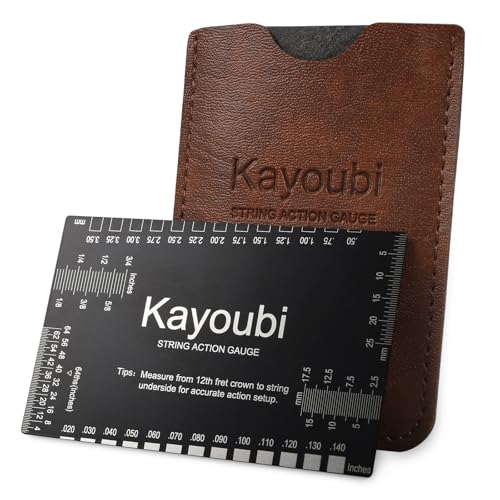 | Precision Measurement Tool | Scale Length: Not specified (tool) | Number of Frets: Not applicable (tool) | Material Type: Stainless steel (matte black) tool | VIEW LATEST PRICE | Read Our Analysis |
| 22-Fret Yellow Matte Maple Electric Guitar Neck | 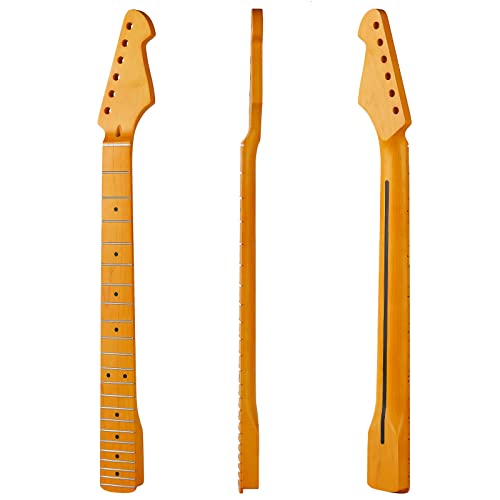 | Maple Classic Neck | Scale Length: 25.5 Inch (648 mm) | Number of Frets: 22 Frets | Material Type: Canadian Maple neck and fingerboard | VIEW LATEST PRICE | Read Our Analysis |
| Yinfente 24-Fret 30″ Bass Guitar Neck | 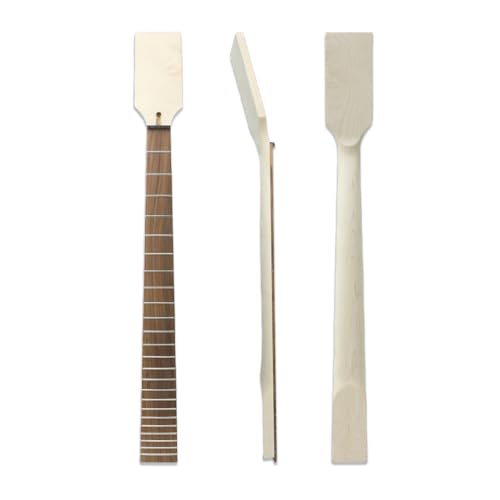 | Extended Scale Bass | Scale Length: 30 Inch | Number of Frets: 24 Frets | Material Type: Maple neck; Rosewood fretboard and body | VIEW LATEST PRICE | Read Our Analysis |
| Yinfente 24-Fret 30″ Baritone Electric Guitar Neck | 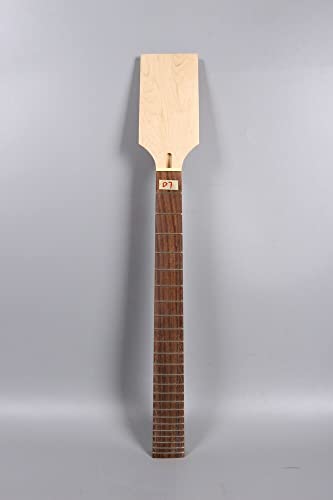 | Baritone DIY Neck | Scale Length: 30 Inch | Number of Frets: 24 Frets | Material Type: Canadian Hard Maple neck; Rosewood fretboard | VIEW LATEST PRICE | Read Our Analysis |
| Guitar Neck Notched Straight Edge Luthiers Tool |  | Luthier’s Measurement Ruler | Scale Length: 25.5 Inch (fits Gibson 24.75″ and Fender 25.5″) | Number of Frets: Not specified (tool) | Material Type: Stainless steel & plastic (luthier tool) | VIEW LATEST PRICE | Read Our Analysis |
| String Action Gauge Ruler for Guitar Setup |  | Professional Setup Gauge | Scale Length: Not applicable (tool) | Number of Frets: Not applicable (tool) | Material Type: Stainless steel (guitar setup gauge) | VIEW LATEST PRICE | Read Our Analysis |
| Blank Rosewood Electric Guitar Fretboard 25.5 Inch | 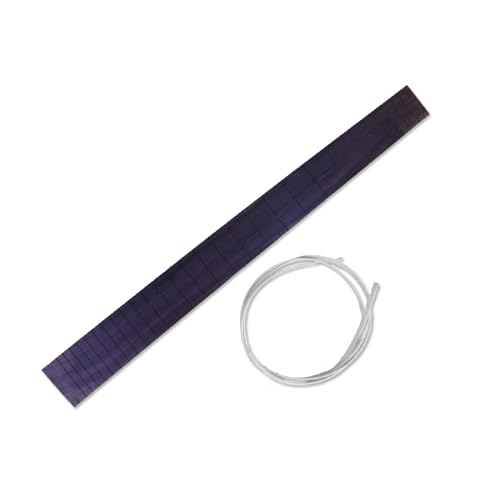 | Customizable Rosewood Fretboard | Scale Length: 25.5 / 24.75 Inch | Number of Frets: 22 Frets | Material Type: Rosewood fingerboard (blank) | VIEW LATEST PRICE | Read Our Analysis |
| Fret Zealot 2 LED Guitar Learning System | 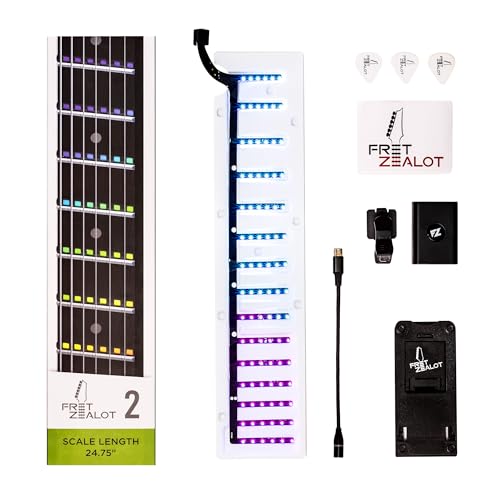 | Innovative Learning System | Scale Length: 24.75″ and 25.5″ options | Number of Frets: Not applicable (LED learning system) | Material Type: Plastic body with flexible coating (LED system) | VIEW LATEST PRICE | Read Our Analysis |
You may be interested


More Details on Our Top Picks
Electric Guitar Neck with Blackwood Fingerboard
If you’re serious about leveling up your electric guitar skills, the Electric Guitar Neck with Blackwood Fingerboard is a game-changer! You get 22 frets on a smooth, polished blackwood surface that feels amazing under your fingers. Imagine sliding effortlessly with no pesky burrs or scratches slowing you down—sweet, right?
With a 24-3/4 inch scale length and solid wood build, this neck offers stability and long-lasting playability. Plus, the 42mm nut width and 56.7mm heel width give you comfy control over your technique. Want to tweak the tension? The adjustable truss rod has you covered. Ready to rock!
- Scale Length:24-3/4 Inch
- Number of Frets:22 Frets
- Material Type:Solid Wood neck; Blackwood fingerboard
- Hand Orientation:Not explicitly stated (likely right-handed)
- Product Type / Function:Electric guitar neck replacement
- Brand:Not specified
- Additional Feature:Truss rod adjustable tension
- Additional Feature:Smooth, polished surface
- Additional Feature:Burr-free craftsmanship
Building the Better Guitar Scale
This quick, 11-page Kindle guide shows you how the 3-note per string major scale works and connects chords like puzzle pieces. You’ll memorize patterns faster, play with confidence, and even skip boring theory tests. Think of it as a shortcut to sounding awesome. Ready to build your best scale yet? Let’s jump in!
- Scale Length:Not applicable (book)
- Number of Frets:Not applicable (book)
- Material Type:Not applicable (book)
- Hand Orientation:Not applicable (book)
- Product Type / Function:Instructional book on guitar scales
- Brand:Michael Pillitiere
- Additional Feature:Simplifies scale theory
- Additional Feature:Pattern-based learning method
- Additional Feature:Beginner-friendly approach
KAYOUBI Guitar String Height Action Gauge Matte Black
Precision matters when you’re tuning your guitar’s playability, and the KAYOUBI Guitar String Height Action Gauge Matte Black hits the mark perfectly! This sleek tool helps you measure string height with laser-etched metric and imperial scales, so no more guessing. Ever wonder if your strings are too high or too low? Now you’ll know exactly.
Made from durable matte black stainless steel, it’s easy to read—even in dim light—thanks to high-contrast markings. Smooth edges keep your guitar safe, and the vegan leather cover means no scratches. Ready to upgrade your setup? This gauge’s got your back!
- Scale Length:Not specified (tool)
- Number of Frets:Not applicable (tool)
- Material Type:Stainless steel (matte black) tool
- Hand Orientation:Not applicable (tool)
- Product Type / Function:Guitar string height measurement gauge
- Brand:KAYOUBI
- Additional Feature:Dual laser-etched scales
- Additional Feature:Vegan leather cover
- Additional Feature:Smooth polished edges
22-Fret Yellow Matte Maple Electric Guitar Neck
Strumming on a 22-fret yellow matte maple electric guitar neck feels like magic in your hands! This Canadian maple neck, with its smooth 9.5″ fretboard radius, delivers comfy chords and snappy bends. Ever noticed how a matte finish aids you grip better? That’s no accident!
With a 25.5″ scale length, your notes ring clear and bright—perfect for solos or rhythm. The cow bone nut guarantees sturdy tuning, though remember: a pro should cut those nut slots for you—no DIY disasters here!
Black dot inlays guide your fingers effortlessly. Ready to shred with style and comfort? This neck’s got your back!
- Scale Length:25.5 Inch (648 mm)
- Number of Frets:22 Frets
- Material Type:Canadian Maple neck and fingerboard
- Hand Orientation:Right-handed
- Product Type / Function:Electric guitar neck replacement
- Brand:Not specified
- Additional Feature:Cow bone nut
- Additional Feature:Canadian maple material
- Additional Feature:Requires qualified nut slot cutting
Yinfente 24-Fret 30″ Bass Guitar Neck
If you’re dreaming of a bass guitar neck that feels just right for nimble fingerwork and smooth grooves, the Yinfente 24-Fret 30″ Bass Guitar Neck might be your new best friend! Why 30 inches? This scale length hits the sweet spot between short and long, offering you tight tension and easy playability.
Made from maple with a rosewood fretboard, it’s built for durability and tone. With 24 frets, you gain extra reach for those higher notes—perfect if you like to explore beyond basics. The paddle head adds classic flair, and the fixed bridge locks in your tuning. Ready to jam?
- Scale Length:30 Inch
- Number of Frets:24 Frets
- Material Type:Maple neck; Rosewood fretboard and body
- Hand Orientation:Right-handed
- Product Type / Function:Bass electric guitar neck replacement
- Brand:Yinfente
- Additional Feature:Paddle head design
- Additional Feature:Fixed bridge system
- Additional Feature:Rosewood fretboard/body
Yinfente 24-Fret 30″ Baritone Electric Guitar Neck
Looking for a guitar neck that takes your playing style up a notch? The Yinfente 24-Fret 30″ Baritone Electric Guitar Neck is your perfect match! With a 30-inch scale length, it gives you longer strings for deeper, richer tones—great for those moody riffs you love. Its natural maple neck and rosewood fretboard feel smooth, and the 24 frets open up new note possibilities.
The C-shaped back and 10-12 inch fretboard radius make bending strings feel like a breeze. Don’t worry about fret buzz—the stainless steel frets are leveled, and the double action truss rod keeps your fretboard straight. Ready to rock?
- Scale Length:30 Inch
- Number of Frets:24 Frets
- Material Type:Canadian Hard Maple neck; Rosewood fretboard
- Hand Orientation:Right-handed
- Product Type / Function:Baritone electric guitar neck replacement
- Brand:Yinfente
- Additional Feature:Double action truss rod
- Additional Feature:10-12 inch radius
- Additional Feature:Leveled fret wire
Guitar Neck Notched Straight Edge Luthiers Tool
When you’re serious about dialing in your guitar’s playability, the Guitar Neck Notched Straight Edge Luthiers Tool is your new best friend! This stainless steel ruler checks neck straightness and string height with notches designed for Gibson’s 24.75″ and Fender’s 25.5″ scale lengths. How cool is that?
Simply place the notched edge along your fretboard to spot neck bows or dips. Use the included string action ruler to measure saddle height, fret slots, and nut height accurately—no more guessing! Plus, a handy fiber cloth keeps it clean and rust-free. Ready to fine-tune like a pro? You got this!
- Scale Length:25.5 Inch (fits Gibson 24.75″ and Fender 25.5″)
- Number of Frets:Not specified (tool)
- Material Type:Stainless steel & plastic (luthier tool)
- Hand Orientation:Not specified (tool)
- Product Type / Function:Luthier measurement and setup tool
- Brand:Kuylive
- Additional Feature:Rustproof stainless steel
- Additional Feature:Includes fiber cloth
- Additional Feature:Measures fret slot depth
String Action Gauge Ruler for Guitar Setup
You’re going to love the String Action Gauge Ruler if you care about dialing in your guitar’s playability perfectly! This tool measures string height with inch, millimeter, 64ths, and 32nds scales, so adjustments are precise. It’s like having a mini guitar tech in your pocket!
Use it to check action at the 12th fret—low, medium, or high—thanks to the handy reference printed on the back. Made of rust-resistant steel with comfy rounded edges, it’s safe and durable. Plus, it comes with a sleek PU leather sleeve, perfect for on-the-go tweaks. Ready to nail your setup?
- Scale Length:Not applicable (tool)
- Number of Frets:Not applicable (tool)
- Material Type:Stainless steel (guitar setup gauge)
- Hand Orientation:Not applicable (tool)
- Product Type / Function:Guitar string action gauge for setup
- Brand:Not specified
- Additional Feature:Printed action reference
- Additional Feature:Rounded scratch-free edges
- Additional Feature:Premium PU leather sleeve
Blank Rosewood Electric Guitar Fretboard 25.5 Inch
If you’re a luthier or a serious DIY guitar builder, the Blank Rosewood Electric Guitar Fretboard with its 25.5-inch scale length is your secret weapon! Why? Because this fretboard gives you a solid foundation for a classic, bright tone with warm lows and clear mids.
Crafted from dense rosewood, it balances sustain and resonance perfectly. With 22 frets and a blank surface, you can add your own custom inlays—imagine your name or cool designs shining on the neck!
Pro tip: 25.5 inches means snappy string tension and full fret access—ideal for styles from blues to rock. Ready to create a signature guitar?
- Scale Length:25.5 / 24.75 Inch
- Number of Frets:22 Frets
- Material Type:Rosewood fingerboard (blank)
- Hand Orientation:Not applicable (blank fretboard)
- Product Type / Function:Blank electric guitar fretboard for luthiery
- Brand:Not specified
- Additional Feature:Custom inlay canvas
- Additional Feature:Dense rosewood tone
- Additional Feature:Designed for luthiers
Fret Zealot 2 LED Guitar Learning System
Imagine having a personal guitar tutor right on your fretboard! The Fret Zealot 2 LED Guitar Learning System lights up the way to mastering chords, scales, and songs with its super bright LEDs—200 times brighter than before! It fits 24.75″ and 25.5″ guitars and works with Android, iOS, and web devices. Got a lefty guitar? No problem; it’s ambidextrous! Just stick its flexible plastic strip on your fretboard, sync it via a magnetic connector, and watch LEDs guide your fingers in real time. With 250,000+ tabs, 4,000+ lessons, and even gesture control, learning just got a whole lot cooler!
- Scale Length:24.75″ and 25.5″ options
- Number of Frets:Not applicable (LED learning system)
- Material Type:Plastic body with flexible coating (LED system)
- Hand Orientation:Ambidextrous (left and right-handed compatible)
- Product Type / Function:LED guitar learning system
- Brand:Fret Zealot
- Additional Feature:LED brightness enhanced
- Additional Feature:Over 4,000 video lessons
- Additional Feature:Magnetic detachable connector
Factors to Consider When Choosing Guitar Scale Length

Choosing the right guitar scale length can totally change how you play and sound—did you know string tension and neck materials play a huge role? Comfort matters, too; you don’t want your fingers feeling like they ran a marathon! Let’s check out what really makes a scale length click for your style and favorite genres!
String Tension Impact
Because string tension plays a huge role in how your guitar feels and sounds, understanding its impact is super important! Think of tension like the stretchiness of a rubber band—the longer the scale (like 25.5 inches), the tighter the strings feel. This means clearer notes and better sustain, but you’ll need more finger strength—no free rides here!
Shorter scales (around 24.75 inches) give you loosened-up strings, making bends easier and softer sounds perfect for blues and rock. Want to fine-tune tension? Play with string gauges: heavier strings on long scales = super firm, while lighter strings on short scales = nice and slack. Balance is key! Ready to experiment? Your fingers will thank you later!
Playability and Comfort
While the length of your guitar’s scale might sound like a tiny detail, it actually packs a big punch when it comes to playability and comfort! Shorter scales—think 24.75 inches—make strings easier to bend, perfect if you’re into blues or rock jams. Plus, they’re friendlier for your fingers, especially if you have smaller hands. Ever tried stretching too far? Yeah, not fun.
Also, don’t forget the fretboard radius! Flatter ones (around 12 inches) are great for fast solos and bending tricks. Rounded ones (like 7.25 inches) feel cozy for vintage chords and fingerstyle vibes.
Tone Variation Effects
Even if you might not realize it, your guitar’s scale length plays a huge role in shaping its tone! Think about it: a shorter scale (like 24.75 inches) usually gives you warmer, fatter sounds, while a longer scale (say 25.5 inches) brings out bright, sparkling tones. Why? Longer scales stretch the strings tighter, adding tension that makes notes ring clearer and sustain longer.
Imagine bending a string—easier with low tension, harder with tight strings! More tension means those high harmonics pop, giving your chords extra sparkle. Short scales, on the other hand, emphasize lower frequencies, so they sound rounder and more mellow.
Suitability for Genres
Your guitar’s scale length doesn’t just shape tone—it also decides which music styles feel right under your fingers! Shorter scales around 24.75 inches are fantastic for blues and jazz, giving you warm tones and making bends a breeze—perfect for those soulful licks.
Like rock or metal? You’ll love longer scales, about 25.5 inches, which boost brightness and sustain. Think of it like adding extra spice to your solos! Bass guitars keep it even longer (30 inches+), helping funk and jazz stand out with deep, clear lows.
If you’re into folk or classical fingerstyle, longer scales bring note clarity that’s music to your ears. And for country or garage rock fans, medium scales strike just the right balance—sweet and snappy without breaking a sweat. Cool, right?
Neck and Fingerboard Materials
Three key players—neck wood, fingerboard material, and neck thickness—team up to shape how your guitar feels and sounds! Choosing maple for your neck means brighter tones, while mahogany gifts warmth. Visualize your guitar speaking like a sunny morning or a cozy evening—cool, right?
Fingerboards count too! Rosewood feels natural under your fingers, but ebony is slick and fast, perfect for speedy solos. Don’t forget neck thickness; thinner necks let you fly up the fretboard, like a ninja!
And here’s a quick table to help you visualize this:
| Wood Type | Tone | Feel |
|---|---|---|
| Maple | Bright | Firm |
| Mahogany | Warm | Smooth |
| Rosewood | Neutral | Textured |
| Ebony | Clear/Bright | Slick/Fast |
Isn’t it awesome how these choices shape your playing style?
Scale Length Measurements
Now that you’ve got a feel for how neck and fingerboard materials shape your guitar’s vibe, let’s talk about scale length—the unsung hero of your playing comfort and sound! Scale length usually falls between 24.75 and 25.5 inches. Wonder why it matters? Well, longer scales (25.5″) mean brighter tones and tighter strings—perfect if you want more snap in your sound. Shorter scales (24.75″) feel easier on your fingers, making bending notes a breeze and giving you warmer tones.
Here’s a quick table:
| Scale Length | Tone | String Tension | Feel |
|---|---|---|---|
| 24.75″ | Warm, mellow | Lower | Easier bending |
| 25.5″ | Bright, crisp | Higher | Tighter strings |
String Gauge Compatibility
Because guitar scale length controls string tension, picking the right string gauge becomes a game-changer for your playing style! Think of scale length like a ruler for string tightness. Shorter scales mean lighter strings feel just right—easy to bend and play. Long scales? You’ll want heavier strings to keep that nice firm tone without floppiness.
Here’s a quick rule: heavier strings on a long scale pump up tension and sound fuller, but too heavy on a short scale? Ouch! Bending gets tough. Use this formula: Tension ∝ (String Gauge)² ÷ Scale Length. So, pick what feels comfy and sounds right—your fingers will thank you! Just remember, matching gauge and scale length keeps your tone balanced and your jams smooth. Now, go tune up and rock on!
Setup and Adjustment Options
Matching string gauge with your guitar’s scale length is just one piece of the puzzle. Did you know that tweaking your truss rod can make your neck feel like a dream? It’s true! Adjusting neck tension helps you play smoothly, no matter your scale length.
Longer scales usually need heavier strings and wider nut slots, while shorter ones call for lighter gauges and snug saddles. Intonation? That’s your secret weapon to keep every note spot-on across the fretboard. Think of it like tuning a race car — precision matters!
Using a simple table, you can match scale length, string gauge, and nut width for perfect setup. Want to sound brighter or warmer? Adjust these and watch your tone—and your skills—shine! Who knew physics could be this fun?
Frequently Asked Questions
How Does Scale Length Affect Tuning Stability?
Scale length affects tuning stability because longer scales mean tighter strings, which resist going out of tune during bends or heavy playing. Imagine a longer rubber band—it snaps back better! Shorter scales have looser strings, making them easier to fret but trickier to keep stable. So, if staying in tune bugs you, try a guitar with a longer scale length—like 25.5 inches. String tension and scale work hand in hand, like peanut butter and jelly!
Can Scale Length Influence the Tone of Acoustic Guitars?
Absolutely, scale length does influence your acoustic guitar’s tone! Longer scale lengths stretch the strings more, making the sound brighter and snappier—think twangy country vibes! Shorter scales give warmer, fatter tones, like a cozy hug from your guitar. Imagine a table:
| Scale Length | Tone Quality |
|---|---|
| Short (<25") | Warm, mellow |
| Long (>25″) | Bright, punchy |
What Scale Length Is Best for Beginners?
Think of a 24.75-inch scale length as your comfy pair of sneakers—easy on your fingers and perfect for beginners! Why? The shorter scale means less string tension, so pressing notes is simpler. You can play chords without feeling like you’re arm-wrestling a bear. Try this table to compare:
| Scale Length (inches) | String Tension | Finger Stretch |
|---|---|---|
| 24.75 | Lower | Easier |
| 25.5 | Higher | Harder |
Start with 24.75 inches and watch your skills soar!
Does Scale Length Impact String Gauge Choices?
Yes, scale length totally impacts your string gauge choices! Longer scales (like 25.5″) need thicker strings to keep tension just right, so they don’t feel floppy. Shorter scales (like 24″) can handle lighter strings without sounding twangy. Think tension = (string tension) ÷ (scale length). So, if your strings are too light on a long scale, expect floppy vibes. Want punchy tone? Match gauges to scale length—it’s like pizza toppings: balance is key!
How Does Scale Length Affect Playing Speed and Agility?
Imagine your fingers sprinting down the fretboard like racers on a track! Shorter scale lengths give you less distance between notes, making fast moves easier and boosting agility. Longer scales stretch the strings more, adding resistance—great for tone but trickier for quick runs. So if speed thrills you, pick a shorter scale, like 24.75″. Want a table comparing ease versus tone? Just ask—I’ve got you covered!


