As an Amazon Associate, we earn from qualifying purchases. Some links on this site are affiliate links at no extra cost to you. Our recommendations are based on thorough research and editorial judgment.


5 Best Organ Pedal Boards That Serious Players Recommend

Looking for organ pedal boards that serious players swear by? Check out the JG3 Tech 16 Note for a lightweight, radially curved feel like a real Hammond. Prefer velocity-sensitive control? The Studiologic MP-113 nails it with 13 wooden pedals and USB tweaks. Got limited space? The tiny Electro-Harmonix B9 packs vintage organ sounds into a pedal. Need toe-heel ease? Nord Pedal Keys 27 has you covered. Or go big with JG3 Tech’s 24-note hardwood beast! Curious? Keep going and you’ll get all the juicy details!
Key Takeaways
- JG3 Tech 24 Note MIDI Bass Pedal offers a hardwood build and LCD menu for professional-level MIDI control and durability.
- Studiologic MP-113 features 13 velocity-sensitive pedals with USB connectivity for dynamic expression and easy programming.
- Nord Pedal Keys 27 provides 27 keys and a built-in swell pedal, ideal for smooth volume control and toe-heel playing.
- Electro-Harmonix B9 Organ Machine is a compact, rugged pedal replicating vintage organ sounds with versatile modulation and presets.
- JG3 Tech 16 Note MIDI Bass Pedal combines lightweight design with a radial curve shape, enhancing comfort and playability.
| JG3 Tech 16 Note MIDI Bass Pedal Controller | 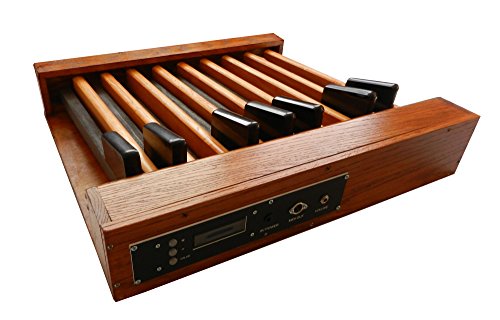 | Portable Authentic Feel | Number of Keys/Notes: 16 notes | MIDI Compatibility/Control: Compatible with all keyboard brands, MIDI channel change via LCD menu | Pedalboard Material/Build: Red Oak hardwood | VIEW LATEST PRICE | Read Our Analysis |
| Studiologic MP-113 Dynamic 13-Note MIDI Base Pedal Board for MIDI Keyboards |  | Velocity Sensitive Precision | Number of Keys/Notes: 13 notes | MIDI Compatibility/Control: Controls any MIDI keyboard or module, USB connectivity | Pedalboard Material/Build: Wood tips on pedals | VIEW LATEST PRICE | Read Our Analysis |
| Electro-Harmonix B9 Organ Machine Pedal |  | Classic Organ Tones | Number of Keys/Notes: Not specified (organ machine with presets, no standalone keys) | MIDI Compatibility/Control: Not a MIDI pedal board, organ machine pedal with presets | Pedalboard Material/Build: Rugged design (compact pedal) | VIEW LATEST PRICE | Read Our Analysis |
| Nord Pedal Keys 27 |  | Beginner Friendly | Number of Keys/Notes: 27 keys | MIDI Compatibility/Control: Standard MIDI plug for connectivity | Pedalboard Material/Build: Aluminum chassis with wooden finish | VIEW LATEST PRICE | Read Our Analysis |
| JG3 Tech 24 Note Midi Bass Pedal Foot Controller | 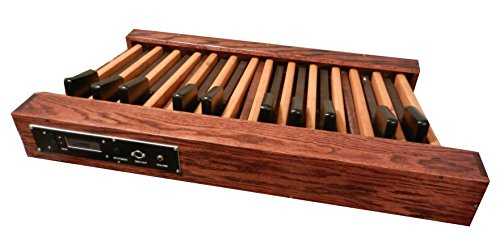 | Full-Length Pro Performer | Number of Keys/Notes: 24 notes | MIDI Compatibility/Control: Compatible with all brands, LCD menu for MIDI channel change, standard 5-pin MIDI cable | Pedalboard Material/Build: Red Oak hardwood | VIEW LATEST PRICE | Read Our Analysis |
You may be interested


More Details on Our Top Picks
JG3 Tech 16 Note MIDI Bass Pedal Controller
If you’re serious about getting that authentic Hammond organ vibe, the JG3 Tech 16 Note MIDI Bass Pedal Controller is your secret weapon! Imagine playing with a pedalboard that’s not only lightweight at 15 lbs but also perfectly shaped like a real Hammond, thanks to its radial curve. It’s just 24 by 19 inches and finished in cool Red Oak—that’s portable and classy!
You’ll love the LCD menu—it lets you tweak the MIDI channel without fuss. Plus, the volume pedal’s got on/off and CC value adjustments, so you can shape your sound exactly how you want. Ready to elevate your organ game?
- Number of Keys/Notes:16 notes
- MIDI Compatibility/Control:Compatible with all keyboard brands, MIDI channel change via LCD menu
- Pedalboard Material/Build:Red Oak hardwood
- Portability/Size:Portable size, 24 x 19 x 5 inches
- Additional Control Features:Volume pedal on/off and CC value adjustment
- Intended Use/Application:Suitable for all keyboard brands, gigging, studio, touring
- Additional Feature:Hinged rear authentic feel
- Additional Feature:LCD MIDI channel menu
- Additional Feature:Volume pedal CC adjustable
Studiologic MP-113 Dynamic 13-Note MIDI Base Pedal Board for MIDI Keyboards
Ready to take your MIDI setup to the next level? The Studiologic MP-113 Dynamic 13-Note MIDI Base Pedal Board is here to amp things up! With 13 velocity-sensitive pedals, you get expressive control—kind of like piano keys for your feet. Each pedal sports full wood tips, giving a pro look and feel.
Plug into your MIDI keyboard or module via USB, and you can tweak programs, banks, channels, and transposition effortlessly. Fun fact: you can even control stage lights—rockstar moves, anyone? If you want dynamic foot control that’s both versatile and stylish, the MP-113 won’t disappoint!
- Number of Keys/Notes:13 notes
- MIDI Compatibility/Control:Controls any MIDI keyboard or module, USB connectivity
- Pedalboard Material/Build:Wood tips on pedals
- Portability/Size:Not specified but implied portable (USB-powered)
- Additional Control Features:Program, Bank, Channel, Transposition control; velocity-sensitive keys
- Intended Use/Application:Stage controller, arranger module, keyboard driver, lighting controller
- Additional Feature:Velocity-sensitive foot pedals
- Additional Feature:Full wood pedal tips
- Additional Feature:USB connectivity
Electro-Harmonix B9 Organ Machine Pedal
Meet the Electro-Harmonix B9 Organ Machine Pedal – your ticket to classic organ sounds packed into a compact, green wonder! This pedal weighs just 16 ounces and fits snugly at 4.75 by 4 by 2.25 inches—perfect for tight pedal boards.
You get 9 presets mimicking vintage electric organs. Fancy a quick tweak? Adjust the percussive attack, modulation speed, and volumes with easy dials. It’s rugged, too, so it won’t bail on you mid-gig.
Plug in the included power adapter, press a button, and boom—instant organ magic. Ready to jam?
- Number of Keys/Notes:Not specified (organ machine with presets, no standalone keys)
- MIDI Compatibility/Control:Not a MIDI pedal board, organ machine pedal with presets
- Pedalboard Material/Build:Rugged design (compact pedal)
- Portability/Size:Small, pedal sized (4.75L x 4W x 2.25H inches)
- Additional Control Features:Control over percussive attack, modulation speed, organ and dry volume
- Intended Use/Application:Adding organ sounds to guitar or instrument rigs
- Additional Feature:9 classic organ presets
- Additional Feature:Control percussive/modulation
- Additional Feature:Rugged durable design
Nord Pedal Keys 27
Looking for a pedal board that’s perfect for beginners without skimping on quality? The Nord Pedal Keys 27 fits the bill beautifully! Its compact aluminum chassis and sleek black wooden finish make it look sharp and stylish. You get 27 keys, each 13.8 inches long, designed just right for toe-heel technique—no more awkward foot shuffles!
Plus, it has a built-in swell pedal, which means you control volume smoothly, like a pro. Need to connect? It uses a standard MIDI plug—plug and play, easy! Lightweight and portable, it’s perfect for starting your organ journey without bulk or fuss. Why wait?
- Number of Keys/Notes:27 keys
- MIDI Compatibility/Control:Standard MIDI plug for connectivity
- Pedalboard Material/Build:Aluminum chassis with wooden finish
- Portability/Size:Compact and portable
- Additional Control Features:Integrated swell pedal
- Intended Use/Application:Beginner level players, organ technique practice
- Additional Feature:Integrated swell pedal
- Additional Feature:Aluminium chassis build
- Additional Feature:Designed for toe-heel
JG3 Tech 24 Note Midi Bass Pedal Foot Controller
If you’re a foot pedal fanatic who loves the authentic feel of a Hammond organ, the JG3 Tech 24 Note Midi Bass Pedal Foot Controller has got your back! Crafted from red oak hardwood with a hinged design, it nails that classic pedal vibe. At 34 by 19 inches and 15 pounds, it fits perfectly on your stage or studio floor. You’ll play smooth heel-toe bass patterns on its 14.5-inch usable length.
Worried about compatibility? Don’t be! It’s ready to connect to any keyboard with a MIDI in port—Hammond, Nord, Korg—you name it. Plus, its LCD menu lets you tweak MIDI channels and volume on the fly. Plug in the 9V adapter, hook up the standard five-pin MIDI cable, and start jamming! Whether you’re rocking jazz, blues, or gospel, this pedal board keeps your feet happy and your bass booming.
- Number of Keys/Notes:24 notes
- MIDI Compatibility/Control:Compatible with all brands, LCD menu for MIDI channel change, standard 5-pin MIDI cable
- Pedalboard Material/Build:Red Oak hardwood
- Portability/Size:Larger size, 34 x 19 x 5 inches, still transportable
- Additional Control Features:Volume pedal on/off and CC value adjustment
- Intended Use/Application:Jazz, funk, blues, church, gospel, classical, performance settings
- Additional Feature:14.5″ playable length
- Additional Feature:60 watt output power
- Additional Feature:Includes 9V wall adapter
Factors to Consider When Choosing an Organ Pedal Board

Ready to pick the perfect organ pedal board? You’ll want to think about the number of notes it has, how sensitive the pedals feel, and whether it’s built strong enough to last. Don’t forget, how it connects to your gear and how easy it is to carry can make all the difference—after all, nobody wants a pedal board heavier than their keyboard!
Number of Notes
Choosing the right number of notes on your organ pedal board can make all the difference in your playing! Think of it like picking the size of your piano keyboard—more notes mean more musical freedom. Most pedal boards have between 13 and 27 notes. A smaller 13-note board is fine if you’re playing simple tunes. But, if you want to plunge into complex bass lines or jazz up your music, going for 24 or 27 notes is the way to go.
Here’s a quick tip: longer boards let you use heel-toe techniques more easily, so you can groove like a pro. Ask yourself, “What kind of music will I play?” Your answer will help you pick the perfect note count! Ready to stomp those pedals like a legend?
Pedal Sensitivity
Now that you know how many notes your pedal board might have, let’s talk about how those pedals feel under your feet. Pedal sensitivity is all about how quickly the pedals respond to your foot pressure. Imagine tapping softly vs. stomping hard—velocity-sensitive pedals pick up on those differences, letting you play with real expression!
This means you can control volume and tone just by how you press, adding life to your music. But beware, super sensitive pedals might trigger when you don’t want them to—kind of like your cat walking across your keyboard!
Look for pedals where you can adjust sensitivity. That way, you tailor the feel to your style, whether you love gentle touches or stronger presses. After all, your feet deserve a comfy workout too!
Build Quality Materials
When it comes to your organ pedal board, the build quality can make or break your playing experience! You want something sturdy—hardwood is a winner here, giving durability and that classic feel you’ll love playing on. But, hey, don’t ignore the weight! Too heavy? Good luck lugging it around gigs or practice sessions.
Look for a hinged design, too—it mimics traditional Hammond boards and ups your playing game. And don’t forget how it looks; a polished finish with aluminum or quality wood turns heads!
Check the size carefully, so your feet can move naturally using the toe-heel technique. Think of it as your foot’s new happy place. Play comfortably, sound fantastic—what could be better?
Connectivity Options
How do you make sure your organ pedal board plays nice with all your gear? Start by checking its connectivity options! Most boards sport USB and five-pin MIDI connections—think of these as the board’s handshake with your keyboard or sound modules. Want smooth control? Look for full program, bank, and channel access. It’s like giving your pedal board a remote control for your MIDI world. Multiple MIDI channel settings? Yes, please! They let you switch roles without swapping gear mid-show. Some boards even connect to onstage lights—cue spotlight while you stomp those pedals! Finally, make sure the connections are quick and simple. After all, who wants a tangle of cables before a gig? Plug-and-play keeps you in the groove—no tech headaches, just music!
Portability and Size
Since you’ll probably want to take your organ pedal board on the road, its portability and size become super important! Imagine lugging a massive 34-inch board everywhere—yikes! Smaller boards, around 15 lbs, balance stability and ease, fitting neatly into travel bags or tight spaces. Look for lightweight materials like aluminum or wood—they’re tough but won’t weigh you down.
Some pedal boards even fold with a hinged design, so you don’t lose that classic feel while traveling. Want to know a tip? Measure your storage spot before buying. No one wants surprises at gig time! So, pick a size that feels light enough to carry but big enough to play comfortably. Your feet (and back!) will thank you!
Frequently Asked Questions
How Do Organ Pedal Boards Affect Playing Technique?
Organ pedal boards totally change your playing technique! They make you coordinate feet and hands simultaneously — like dancing and playing piano at once. You develop foot precision, timing, and independence. Start slow, tap each pedal with your heel or toe, then blend in with your hands. Think of it as a fun foot workout that makes you sound richer, like a musical superhero! Ready to kickstart your skills? Let’s step on it!
Can Pedal Boards Connect Wirelessly to MIDI Devices?
Yes, you can connect pedal boards wirelessly to MIDI devices! Imagine ditching cables and moving freely like a rockstar. You’ll need a wireless MIDI transmitter and receiver—think of them as walkie-talkies for your pedals. Plug one into the pedal board, the other to your MIDI device, pair ‘em up, and boom, you’re wireless! Just watch for slight lags—wireless isn’t perfect but pretty cool, right? Ready to cut the cord and jam hassle-free?
What Maintenance Is Required for Organ Pedal Boards?
Maintaining organ pedal boards is like tuning a Model T—regular care keeps everything running smoothly! First, clean dust off pedals with a soft cloth weekly. Next, check for loose screws, tightening if needed. Lubricate moving parts sparingly—too much oil is a no-no! If you feel sticky keys, gently spot-clean contacts with isopropyl alcohol. Got a multimeter? Test connections for steady voltage. Simple steps keep your pedals responsive and happy!
Are There Pedal Boards Suitable for Beginners?
You can totally start with beginner-friendly pedal boards. Look for smaller boards with fewer pedals—think 13 or 17 instead of 32—to build confidence without feeling overwhelmed. Try one with simple, sturdy pedals and clear labeling, so your feet won’t get lost like socks in a dryer. Want a quick tip? Place a color sticker on each pedal for easy memory. Ready to get grooving? Your feet will thank you!
How Portable Are Full-Size Organ Pedal Boards?
How portable is a full-size organ pedal board? Well, they don’t exactly fit in your backpack! These beasts often weigh 40-60 pounds and stretch nearly 30 inches wide. Moving one? You’ll need wheels or a friend—maybe both! Picture lugging a small fridge with your feet glued to it. Portability’s low, so plan ahead: measure space, guarantee sturdy handles, and always warm up those leg muscles before transport!


