As an Amazon Associate, we earn from qualifying purchases. Some links on this site are affiliate links at no extra cost to you. Our recommendations are based on thorough research and editorial judgment.


10 Best Piano Action Regulation Tips for Perfect Performance

Want to get your piano singing like a pro? Start with these regulation tips! Use a Piano Action Repair Screwdriver for precise adjustments and keep your tools handy, like a Piano Key Screw Adjusting Wrench. Check the balance of springs and bridle straps to rejuvenate your piano’s action! Remember, practice makes perfect—adjustments might need a little trial and error. Curious about fine-tuning your skills even more? There’s plenty more to explore to elevate your piano game!
Key Takeaways
- Use high-quality tools like precision screwdrivers and wrenches to ensure accurate adjustments and prevent damage to delicate piano mechanisms.
- Regularly check and replace worn springs and bridle straps to maintain balanced key tension and optimal piano action performance.
- Document your regulation techniques to create a reference guide, ensuring consistency and ease for future adjustments.
- Balance friction and elasticity principles during adjustments to enhance smooth key engagement and prevent wear on action components.
- Invest in training or consult a trained technician who understands the nuances of piano action for improved performance quality.
| Piano Action Repair Screwdriver for Technicians | 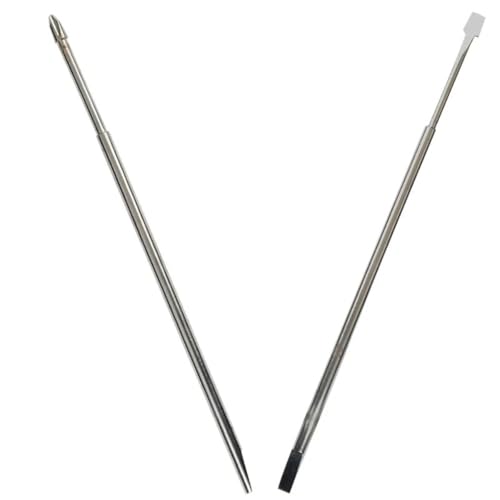 | Best Tool for Technicians | Type: Tool (Screwdriver) | Primary Use: Action repairs | Material: Alloy steel | VIEW LATEST PRICE | Read Our Analysis |
| The Art of Tuning: A Self-Guided Manual |  | Comprehensive Guide | Type: Book (Manual) | Primary Use: Tuning manual | Material: Paper | VIEW LATEST PRICE | Read Our Analysis |
| Piano Action Regulating: a reference source for students and professionals | 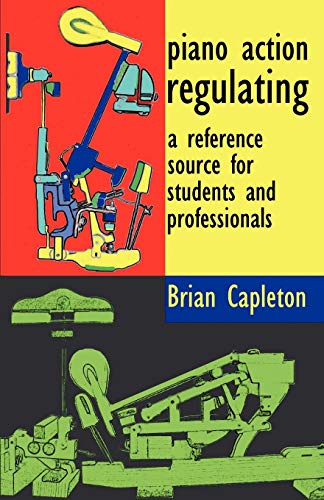 | Essential Reference | Type: Book (Reference) | Primary Use: Regulation reference | Material: Paper | VIEW LATEST PRICE | Read Our Analysis |
| Modern Piano Tuning and Repair Principles (1917) |  | Historical Insight | Type: Book (Principles) | Primary Use: Tuning and repair | Material: Paper | VIEW LATEST PRICE | Read Our Analysis |
| Piano Key Screw Adjusting Wrench for Technicians | 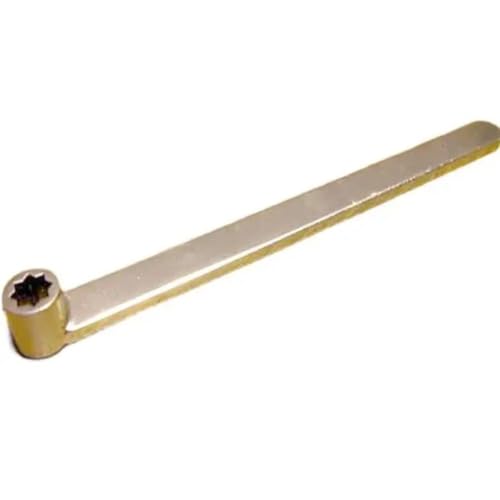 | Precision Adjustments | Type: Tool (Wrench) | Primary Use: Action adjustments | Material: Alloy steel | VIEW LATEST PRICE | Read Our Analysis |
| Modern Piano Tuning and Repair Techniques |  | Culturally Significant | Type: Book (Principles) | Primary Use: Tuning and repair | Material: Paper | VIEW LATEST PRICE | Read Our Analysis |
| Piano Hammer Springs Replacement Set (70 Pieces) | 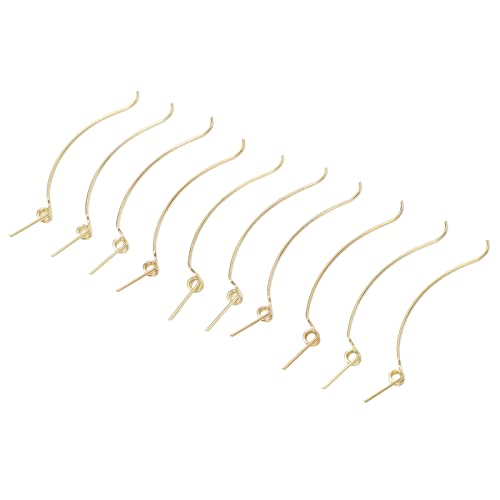 | Reliable Replacement Set | Type: Tool (Spring Set) | Primary Use: Spring replacement | Material: Metal | VIEW LATEST PRICE | Read Our Analysis |
| 90PCS Piano Bridle Straps Replacement Parts Set | 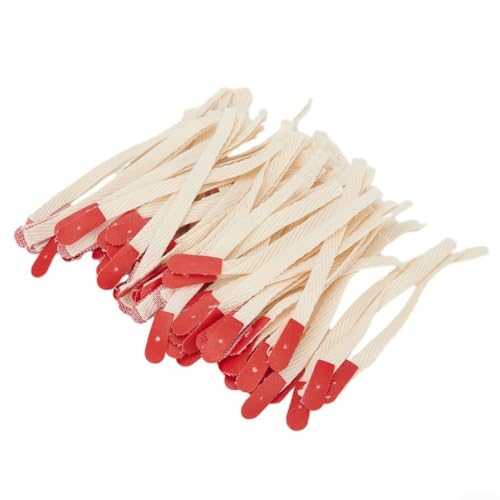 | Budget-Friendly Choice | Type: Tool (Bridle Straps Set) | Primary Use: Strap replacement | Material: PU leather | VIEW LATEST PRICE | Read Our Analysis |
| Modern Piano Tuning and Repair Principles |  | Theoretical and Practical Blend | Type: Book (Principles) | Primary Use: Tuning principles | Material: Paper | VIEW LATEST PRICE | Read Our Analysis |
| Modern Piano Tuning and Allied Arts |  | Accessible Classic | Type: Book (Arts) | Primary Use: Historical principles | Material: Paper | VIEW LATEST PRICE | Read Our Analysis |
You may be interested


More Details on Our Top Picks
Piano Action Repair Screwdriver for Technicians
If you’re a piano technician or just someone who loves tinkering with pianos, the Piano Action Repair Screwdriver is your new best buddy! This tool’s precision Phillips head gives you unmatched torque control for all your tuning and action repairs.
Crafted from tough alloy steel, it’s built to last! Plus, the corrosion-resistant shaft keeps your adjustments smooth. Ever had a screw strip out? With this screwdriver, that’s a thing of the past!
Feeling tired after hours of tuning? No worries! Its ergonomic handle provides a stable grip, reducing fatigue.
Whether you’re fixing a grand or an upright, this screwdriver is essential!
- Type:Tool (Screwdriver)
- Primary Use:Action repairs
- Material:Alloy steel
- Language:English
- Target Audience:Technicians
- Pages/Quantity:N/A (tool)
- Additional Feature:Precision torque control
- Additional Feature:Corrosion-resistant shaft
- Additional Feature:Ergonomic non-slip grip
The Art of Tuning: A Self-Guided Manual
Are you a piano enthusiast who dreams of fine-tuning your own instrument? Search no further! “The Art of Tuning: A Self-Guided Manual” by Claude Montals is your ticket to mastery. Weighing in at just 1.67 pounds, this 452-page gem is packed with everything you need to know!
Dive into mid-19th century techniques and tools. Ever wondered how pianos were made back then? Montals breaks it down! With helpful visuals and easy steps, you can tune like a pro. Plus, you might even impress your friends—just don’t tell them how easy it was! Ready, set, tune! 🎹
- Type:Book (Manual)
- Primary Use:Tuning manual
- Material:Paper
- Language:English
- Target Audience:Piano technicians
- Pages/Quantity:452 pages
- Additional Feature:Historical piano insights
- Additional Feature:Comprehensive tuning guide
- Additional Feature:Includes author’s expertise
Piano Action Regulating: a reference source for students and professionals
Looking to plunge into the fascinating world of piano action regulation? “Piano Action Regulating: a reference source for students and professionals” is your trusty guide! This handy book, published by Amarilli Books, packs 116 pages of information that’s perfect for budding enthusiasts and seasoned pros alike.
You’ll explore everything from standard upright actions to the intricate Steinway roller action. Got issues? This guide dives into diagnosing those tricky action problems. Plus, it offers handy illustrated chapters with useful tips that make learning fun! So why wait? Grab your copy, and let’s tune those keys together! Music awaits!🎹
- Type:Book (Reference)
- Primary Use:Regulation reference
- Material:Paper
- Language:English
- Target Audience:Students and professionals
- Pages/Quantity:116 pages
- Additional Feature:Covers various piano actions
- Additional Feature:Illustrative guides included
- Additional Feature:Focus on regulation techniques
Modern Piano Tuning and Repair Principles (1917)
Piano enthusiasts, whether you’re a budding musician or a seasoned tuner, will absolutely adore “Modern Piano Tuning and Allied Arts” by William Braid White! This 1917 gem covers everything from tuning techniques to action regulation and even player-piano mechanics. Want to know how to make those keys sing? You’ll find handy insights right here!
Imagine diving into the intricate world of piano repair! White’s step-by-step principles help simplify even the trickiest tasks. Just a heads-up, the reprint might have a few hiccups from the old edition, but that only adds to its charm! So, grab a copy and start tinkering today!
- Type:Book (Principles)
- Primary Use:Tuning and repair
- Material:Paper
- Language:English
- Target Audience:Technicians and learners
- Pages/Quantity:368 pages
- Additional Feature:Leather binding durability
- Additional Feature:Maintains historical integrity
- Additional Feature:Original publication insights
Piano Key Screw Adjusting Wrench for Technicians
For piano technicians who crave precision and finesse in their work, the Piano Key Screw Adjusting Wrench is the ultimate sidekick! This nifty tool is crafted from high-strength alloy steel, ready to take on the toughest adjustments with ease.
Imagine it gliding smoothly into screw slots, minimizing damage and ensuring your piano keys respond like a dream! Plus, its ergonomic design hugs your hand just right.
You’ll wonder how you worked without it during those tricky maintenance sessions! Whether you’re tuning in a studio or on a service call, this wrench is absolutely essential. So, grab one and elevate your piano game!
- Type:Tool (Wrench)
- Primary Use:Action adjustments
- Material:Alloy steel
- Language:English
- Target Audience:Technicians
- Pages/Quantity:N/A (tool)
- Additional Feature:Compact design convenience
- Additional Feature:Comfortable handling grip
- Additional Feature:Ideal for tight spaces
Modern Piano Tuning and Repair Techniques
If you’re someone who loves tinkering and wants to immerse yourself in the world of pianos, then “Piano Action Regulation Tips” is just the guide for you! Have you ever wondered how to keep your piano sounding at its best? Modern tuning techniques help keep your instrument lively!
Understanding the principles of tuning, regulation, and repair can be exciting. With 362 pages of valuable insights, you’ll learn to make your piano sing! Got a sticky key? Don’t fret! Just plunge in, and you’ll find straightforward ways to troubleshoot. Who knew piano care could be so fun? Grab your tools and let’s get started!
- Type:Book (Principles)
- Primary Use:Tuning and repair
- Material:Paper
- Language:English
- Target Audience:Technicians and learners
- Pages/Quantity:362 pages
- Additional Feature:Cultural significance acknowledgment
- Additional Feature:Questions original copyright references
- Additional Feature:Public domain availability
Piano Hammer Springs Replacement Set (70 Pieces)
Looking to revive your upright piano’s action? You’ve come to the right place! The Piano Hammer Springs Replacement Set, with its 70 pieces, is your magical toolkit for action repair and maintenance!
Imagine perfectly balanced tension in every key, thanks to these precision-measured springs that fit like a glove. Engineered from tough, erosion-proof metal, they’re built to last through countless melodies.
Replacing those worn-out springs can breathe new life into your piano! So grab your tools and get ready to hit those high notes again! Who knew piano action could be this exciting? Give it a try—your piano will thank you!
- Type:Tool (Spring Set)
- Primary Use:Spring replacement
- Material:Metal
- Language:English
- Target Audience:Professionals and homeowners
- Pages/Quantity:70 pieces
- Additional Feature:Engineered for precise installation
- Additional Feature:Erosion-proof metal construction
- Additional Feature:Balanced tension performance
90PCS Piano Bridle Straps Replacement Parts Set
Got an upright piano that’s missing some bridle straps? Don’t worry, you’re in luck! The PCS Piano Bridle Straps Replacement Parts Set has you covered! With 90 pieces, this set is perfect for tuning up your instrument and ensuring it plays beautifully.
Made from high-quality PU leather, these straps are tough and built to last! Each strap is 9cm long and 7cm wide, designed just right for your upright piano. Installation? Super easy! You won’t even have to disassemble your piano. Just swap them out and get back to making music!
Ready for some piano magic? Let’s do this! 🎹
- Type:Tool (Bridle Straps Set)
- Primary Use:Strap replacement
- Material:PU leather
- Language:English
- Target Audience:Owners and professionals
- Pages/Quantity:90 pieces
- Additional Feature:High-quality PU leather
- Additional Feature:Easy strap installation
- Additional Feature:Regulation braid included
Modern Piano Tuning and Repair Principles
Are you someone who loves music and has a passion for tinkering with instruments? If so, understanding modern piano tuning and repair principles can be incredibly rewarding!
The piano’s soundboard, strings, and hammers work together like a finely-tuned orchestra. When you tune it, you’re not just adjusting strings—you’re enhancing its soul!
It’s all about balancing theory with real-life practice. Want to get started? Grab a tuning fork and a wrench, and let’s make some music magic! Remember, even if a key gets stuck, it’s just saying, “I need a little TLC!” So immerse yourself, and enjoy the process!
- Type:Book (Principles)
- Primary Use:Tuning principles
- Material:Paper
- Language:English
- Target Audience:Tuning practitioners
- Pages/Quantity:N/A (book)
- Additional Feature:Integrates theory with practice
- Additional Feature:Extensive research background
- Additional Feature:Preserves original formats
Modern Piano Tuning and Allied Arts
If you’ve ever fiddled with the keys of a piano, you might feel a bit overwhelmed by the intricacies involved in tuning one! But don’t fret! Modern piano tuning is a blend of science and art. It’s so culturally significant that scholars believe it deserves preservation.
Did you know that this work is in the public domain? That means you can freely access all that fascinating knowledge! Plus, it’s presented in an easy-to-read format, complete with original graphics.
- Type:Book (Arts)
- Primary Use:Historical principles
- Material:Paper
- Language:English
- Target Audience:Scholars and enthusiasts
- Pages/Quantity:N/A (book)
- Additional Feature:Free to copy/distribute
- Additional Feature:Enhanced accessibility features
- Additional Feature:Community preservation support
Factors to Consider When Choosing Piano Action Regulation

When choosing piano action regulation tools, you’ve got a few important factors to take into account! First off, what’s the quality and precision of the tools? A good ergonomic handle design can make all the difference, especially when you’re adjusting those fine details, so make sure it’s comfortable to grip!
Tool Precision and Quality
Choosing the right tools for piano action regulation isn’t just about picking something off the shelf; it’s like selecting your superhero sidekick! You want precision screwdrivers and wrenches that fit perfectly. Why? They guarantee secure engagement with screws—no damage allowed!
High-quality materials like hardened alloy steel ensure these tools last, saving you from constant replacements. Plus, precision-machined heads provide the torque you need, preventing stripped screws in those delicate action mechanisms.
Fewer trips to the hardware store mean more time making music, right?
And guess what? Using tools designed specifically for piano mechanics assures consistent performance! So, grab those trusty tools, and let’s keep that piano sounding amazing! Isn’t it time to release your inner piano superhero? 🎹✨
Ergonomic Handle Design
You might not think about it, but the handle design on your piano tools is a game changer! An ergonomic handle is key for a stable, non-slip grip. Imagine tuning for hours without your hands getting tired—sounds awesome, right?
Handles molded to fit your hand boost your precision, letting you make those fine adjustments effortlessly.
Plus, lightweight materials can reduce strain on your wrists, keeping you efficient during regulation tasks.
Look for recessed grips—they help with torque control! No more slipping while working on delicate parts!
Most importantly, a great handle promotes a natural wrist position, so you won’t end up on a first-name basis with your chiropractor! Choose wisely, and your fingers will thank you!
Material Durability Considerations
After getting those ergonomic handles just right, let’s chat about what really counts when it comes to the materials you use for piano action regulation! You’ll want to choose high-strength alloy steel for stability and wear resistance—super important for consistent performance over time!
Don’t forget about corrosion resistance; it’ll keep your materials looking great even in less-than-perfect conditions.
And hey, metal construction matters! It maintains structural integrity during all those action cycles.
Check for hardness ratings too! Harder materials mean less wear during adjustments, prolonging lifespan.
Got it? Finally, for that key touch balance, go for materials with optimized elasticity and precision. They guarantee your piano plays like a dream! Trust me, it’s worth the effort!
Versatility Across Piano Types
When it comes to piano action regulation, understanding how different types of pianos function is absolutely essential! Each type—upright, grand, and digital—has its own quirks. Did you know that uprights typically use underdamper action while grands often feature roller action? Fascinating, right? This means that the regulation techniques you use should totally match those unique designs!
It’s key to know the components inside each piano and how they work together. Trust me, the right tools make all the difference, helping you achieve consistent touch and tone. Ever tried adjusting a stubborn key? You need skill for that! So, immerse yourself in those various methods to keep your pianos singing beautifully and ready for performance!🎹
Adjustment Accuracy Techniques
Getting the hang of piano action regulation is a bit like tuning into your favorite song—you want everything to hit just right! To achieve that, use the right tools. Precision screwdrivers and wrenches designed for pianos can save your screws from stripping and boost your adjustment accuracy!
Don’t forget to grasp the principles of friction, inertia, and elasticity—your keys will thank you! Aligning all action components is essential; smooth engagement prevents wear and tear, keeping your performance as fresh as your playlist.
Document your regulation techniques! It’s like having a treasure map for future adjustments. Regularly check springs and bridle straps too; think of them as piano gym buddies—a little maintenance goes a long way for your piano’s precision! Keep jamming! 🎹
Historical Technique Insights
Have you ever wondered how piano action regulation has transformed over the years? It all began in the mid-19th century! Innovators crafted intricate parts and focused on friction, inertia, and weight to create pianos that not only played well but sounded amazing!
Who knew springs and hammers could be so exciting? It’s like they were the superheroes of sound engineering!
The techniques developed then paved the way for today’s regulation methods. You see, modern technicians still rely on principles from those historical texts to keep our beloved instruments in tip-top shape.
Maintenance and Care Tips
To keep your piano performing at its best, you don’t have to be a master technician—just a little know-how goes a long way! Regularly check the alignment of hammers and keys to guarantee a smooth feel when you play. Seriously, you’ll notice the difference!
Invest in some specialized tools, like precision screwdrivers. They help with adjustments while protecting those delicate parts.
Don’t forget about the environment! Keep your piano away from humidity and temperature fluctuations.
Check for worn parts, and replace them as needed. It’s like giving your piano a little spa treatment!
Lastly, a touch of proper lubrication reduces friction. Trust me, that’ll make your playing experience buttery smooth! Who doesn’t love that?
Importance of Training
While it might be tempting to think that piano action regulation is just a simple twist here and a nudge there, the truth is you want a trained hand working on your beloved instrument!
Imagine someone who understands the real secrets behind piano action — like friction and inertia. That’s essential for smooth playing! Proper training helps technicians master the mechanics of your piano, ensuring a balanced key response.
Plus, hands-on experience with different actions, like grand and upright, means they know exactly what to do to fix common issues.
Don’t forget, continuous learning keeps these tech whizzes sharp! So, when you choose a technician, make sure they’ve got the training to make your piano sing! It’s the difference between a ho-hum sound and a jaw-dropping performance!
Frequently Asked Questions
How Often Should I Regulate My Piano Action?
You should think about regulating your piano action at least once a year! Why? Because it keeps your instrument in tip-top shape! If you play a lot, maybe every six months might do the trick. Just imagine your piano singing sweetly instead of grunting! Feeling unsure? No worries! A professional can help, or you could learn some basics yourself. It’s all about those happy keys—let’s make ’em dance!
What Tools Are Essential for Basic Piano Action Regulation?
To regulate your piano action, you’ll need a few essential tools! A tuning hammer, felt regulation tools, and a screwdriver are must-haves. Did you know that a well-regulated piano can make your playing sound 30% more expressive? That’s huge! It’s like giving your instrument a voice! You’ll also want some soft cloths to keep things clean. It’s no joke—proper tools make all the difference in your performance. Ready to release your inner virtuoso?
Can I Regulate My Piano Without Professional Help?
Absolutely, you can regulate your piano without professional help! It just takes some patience and the right tools. Start with adjusting the keys—check for sticking or uneven heights. Got a tuner? Use it! You can also tweak the pedals, which can be as rewarding as finding a hidden treasure! Just remember, practice makes perfect. Don’t worry if it’s not spot-on at first; you’ll get the hang of it with time and a few giggles!
What Signs Indicate My Piano Action Needs Regulation?
Is your piano feeling a bit off? Studies show that about 70% of pianists notice signs their action needs regulation! Look for sticky keys, uneven sounds, or weird noises. If a key feels too heavy or too light, that’s a red flag! You might even notice keys sticking during play. These signs mean it’s time to check the action. Keep playing smooth and free – your music deserves it! 🎹
Does Humidity Affect Piano Action Performance?
Absolutely, humidity plays a huge role in your piano’s action performance! When it’s too humid, wood can swell, causing keys to stick. Yikes! Conversely, dry air can shrink wood, leading to loose parts. You want to keep your piano in a stable environment, ideally around 40-50% humidity. You wouldn’t want your piano to feel like it’s on a rollercoaster, right? So, check that humidity level, and your piano will thank you!


