As an Amazon Associate, we earn from qualifying purchases. Some links on this site are affiliate links at no extra cost to you. Our recommendations are based on thorough research and editorial judgment.


The Hammond Organ: How It Shaped Rock and Gospel Music

Are you ready to discover the powerful influence of the Hammond organ on rock and gospel music? Since its debut in 1935, the Hammond organ has revolutionized the soundscape of worship and performance, infusing churches and concert halls with its warm, rich tones.
You may be interested
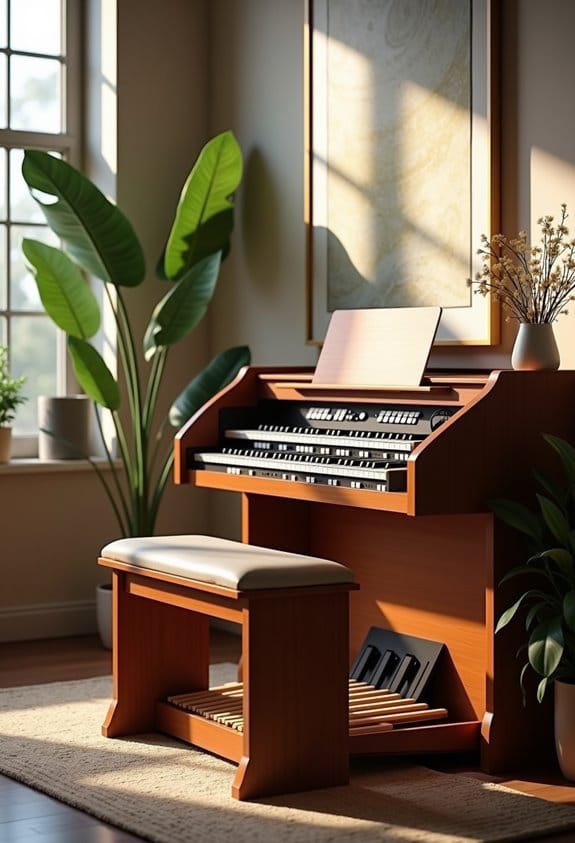
This iconic instrument has not only transformed the energy of church services but has also shaped an array of soulful gospel hymns and catchy rock anthems.
In this deep dive, you’ll learn about the Hammond organ’s evolution and its lasting impact on the music we love today.
Join us on this fascinating journey through the history and legacy of the Hammond organ!
Key Takeaways
- The Hammond organ revolutionized gospel music by adding emotional depth and vibrant sound, enhancing worship services across many churches.
- Its warm, versatile tones became integral to rock and R&B, influencing bands like The Doors and Booker T. & the MG’s.
- The Model B-3, with its drawbar system, allowed musicians to create unique sound variations, essential for both gospel improvisation and rock performances.
- Iconic jazz and gospel musicians, such as Jimmy Smith, showcased the organ’s adaptability beyond traditional settings, blending genres creatively.
- The Hammond’s sonic innovations, like the Leslie Speaker, enriched music, making it a staple across various musical landscapes, preserving its cultural legacy.
History of the Hammond Organ

Have you ever heard of the Hammond organ? It’s not just any musical instrument; it’s steeped in rich history! Laurens Hammond invented it in 1935 as a more budget-friendly option compared to the expensive traditional pipe organs—pretty neat, right? Fast forward to 1954, and the Model B-3 arrived, quickly winning hearts, particularly in gospel music. Its warm tones and features like the Chorus-Vibrato really made a difference in church acoustics.
Gospel music legends like Pastor Clarence Cobbs were huge fans, and before you knew it, the Hammond organ became a cornerstone of church services across the country. And then there’s the Leslie Speaker—a cool addition that turned the Hammond’s sound into something truly electrifying, making waves in jazz and popular music too. Although its popularity dipped in the 1980s, the Hammond organ made a remarkable comeback in the 1990s, proving that it still resonates with musicians.
Isn’t it fascinating how the Hammond organ evolved? It not only shaped various music genres but also left a lasting impact that we can still feel today. Next, we should explore how this iconic instrument influenced modern music and inspired countless musicians along the way. Its ability to handle complex harmonic progressions made it especially beloved by artists across jazz, R&B, gospel, funk, and rock genres.
Characteristics of the Hammond Sound

You know, the Hammond organ really stands out because of its incredible sound! It’s not just any organ; it has this warm, warbling effect that instantly draws you in—like a cozy embrace for your ears. Just think about when you hear it in gospel music—it’s so inviting and soulful!
One of the coolest features is the drawbars. They allow players to mix different harmonics, giving you so many creative sounds to explore. For example, jazz legend Jimmy Smith popularized the drawbar setup of 888000000, and this combination opens up a world of tones that can really elevate a performance.
And here’s another fun fact: the Hammond organ also has a harmonic percussion feature. This adds a lively, percussive element to the sound, perfect for spontaneous improvisation. That’s why you often hear it weaving in and out of gospel and other genres. It’s fascinating how such a unique instrument can bring so much emotion and versatility to music!
Many players use an organ swell pedal to enhance their control over the dynamics and expression of the Hammond sound.
Recommended Products

XE-103 XK-3 Organs with Metal Chassis Noiseless Operation

128 Pages
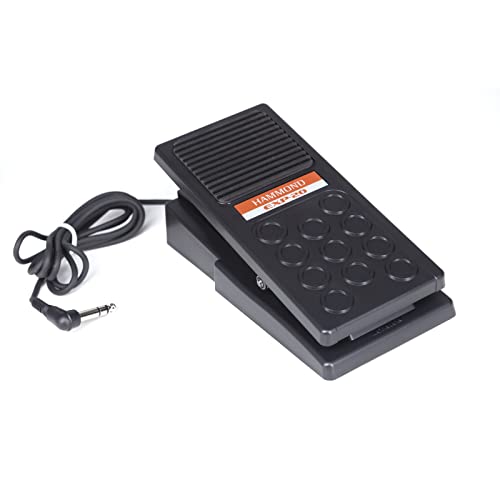
Volume Pedal for Hammond XK-1
The Role of the Hammond Organ in Gospel Music

You know, it’s really interesting how the Hammond organ has reshaped gospel music and the whole worship experience! Ever since churches started using it, many people have been drawn to attend services just to hear that captivating sound.
The Hammond organ brings a lively sound and a wide range of tones that really add something special to worship sessions. Musicians can showcase their improvisation skills, creating moments of emotional intensity that resonate with everyone in the congregation. For example, just think about those moments when a skilled organist will spontaneously play a soulful riff that gets everyone clapping along!
One of the cool features of the Hammond organ is its drawbars and vibrato settings. These let musicians play around with different harmonies, almost like creating a mini-orchestra in the church! Back in the 1960s, this blending of the Hammond organ with traditional gospel music helped fuse old and new styles, making gospel music feel more vibrant and alive. It’s such a fascinating evolution, don’t you think?
Similarly, the use of multi-filament materials in musical instruments can enhance tonal richness and flexibility, much like the Hammond organ’s impact on sound.
Recommended Products

61 Full-sized Keys - Just the right size for beginners developing their playing technique.

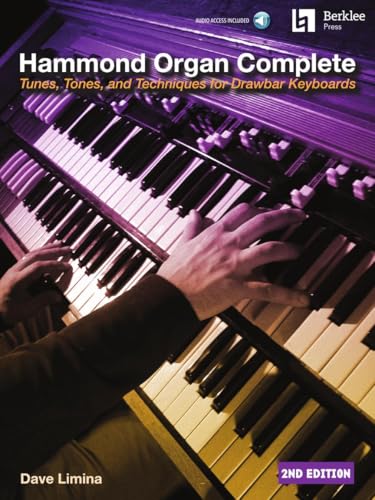
Used Book in Good Condition
Transition to Rock and Rhythm and Blues
Hey, did you know that the Hammond organ wasn’t just a mainstay in churches? In the 1960s, it really made waves in rock and rhythm and blues music! Iconic bands like The Doors and Booker T. & the MG’s adopted the organ for its unique, soulful sound that resonated with so many listeners.
What’s fascinating about the Hammond organ is its drawbar system. This feature lets musicians create a wide range of sounds and harmonies, which is perfect for improvisation. For instance, Jimmy Smith took the organ to new heights, blending it perfectly with jazz and R&B. If you listen to tracks like “Green Onions” by Booker T. & the MG’s, you can really hear how the organ drives the groove.
Maintaining the instrument’s performance is crucial, and using quality replacement parts helps preserve its distinctive sound over time.
Innovations in Hammond Technology
You know, innovations in Hammond technology have really changed how musicians create music! The original Hammond organ, which came onto the scene back in 1934, used a cool synchronous motor system to produce a sound that was totally different from those classic pipe organs.
One of the coolest features was the drawbars, which allowed musicians to mix different sounds and create unique tones. So, with just a little tweak of those drawbars, a player could shift from a smooth jazz vibe to something much funkier in just seconds. Then came the B-3 model, which ramped up creativity even more by adding harmonic percussion—imagine being able to layer in percussive sounds right from the organ!
And let’s talk about the Leslie Speaker for a second! This invention takes advantage of the Doppler Effect to produce those lush vibrato and tremolo sounds we all love. It’s like adding a whole new dimension to the music.
Fast forward to today, and we’ve got digital versions like the New B-3. These keep that iconic sound while making it accessible for modern musicians who might be used to more contemporary sounds. It’s fascinating how far we’ve come! What do you think the future holds for musical technology next? Additionally, protecting and preserving electronic instruments with dust covers is essential for maintaining their performance and longevity.
Recommended Products

【Wide Range of Application】Piano keyboard cover measures 51 L x 13.5 W x 6 H inches, fits for most brand 88 key digital piano nicely, such as Casio, Yamaha, Rock Jam, Alesis, Williams. COVER ONLY, WITHOUT PIANO STAND
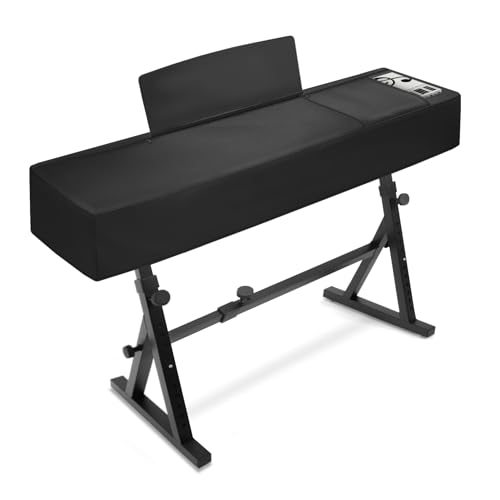
【88Keys Piano keyboard Cover Size】 53.5''L x 13.5"W x 8"H, COVER ONLY, WITHOUT PIANO STAND.(NON-STRETCH FABRIC! Please measure the size of your piano before purchasing)

PERFECT FOR KEYBOARDS -- Fit for all kinds of keys models, easy to use, just put it on keyboads, stays secure, and simple to take off.
Notable Musicians and Their Influence
Hey there! Have you ever thought about the Hammond organ and its fascinating history? This instrument has really made waves, especially because of some incredible musicians who really pushed its limits! Take Jimmy Smith, for instance—he was a total game-changer in the jazz scene back in the 1950s and 60s. His mastery of the Hammond B-3 brought out its unique sound, and you can hear that influence still today.
Then there are gospel musicians, like Pastor Clarence Cobbs, who was actually the first person to buy a Hammond organ. He helped draw in bigger crowds to churches and used radio to spread gospel music far and wide, making it really popular in the community. Plus, don’t forget about Ethel Smith and Jesse Crawford! They both showcased how versatile the organ was, blending it beautifully into theater and church music settings.
And let’s not leave out rock legends, like Jon Lord from Deep Purple. He took the B-3’s power and paired it with a Leslie Speaker to create a distinctive sound that changed rock music forever. Isn’t it amazing how these musicians influenced so many genres? It really shows the impact that an instrument can have across different styles of music! Using proper accessories, such as a keyboard sustain pedal, further enhances the expressive capabilities of keyboard instruments like the Hammond organ.
The Future of the Hammond Organ in Music
You know, people often assume that the days of the Hammond organ are behind us, but that’s not quite true. There’s actually a really exciting transformation happening! Many churches still love the classic sound of the Hammond organ, which adds such a rich atmosphere to worship services.
While it’s true that modern musicians tend to favor keyboards with all sorts of high-tech features, there’s a cool revival happening with the Hammond organ, especially in gospel music. Take James Bryson, for instance; he’s one of the innovators bringing the Hammond back into the limelight, showcasing its unique sound in fresh ways.
What’s really neat is that thanks to things like digital simulations and portable models—like the SK series—Hammond organs have adapted to fit today’s musical landscape. It’s kind of like taking an old family recipe and adding your own twist; you keep the essence but make it your own. With all this renewed interest, it seems clear that the Hammond organ still has a place in our music scene, reminding us that some classics really do stand the test of time. Isn’t that fascinating? It makes you wonder how else older instruments can be revived in modern music! Regular maintenance practices help keep these instruments in top shape to preserve their distinctive sound quality.
Recommended Products

Portable Digital Organ with Virtual Tonewheel
New Store Stock

Tremolo/Chorale Switch for Hammond XK-3 Organ
Frequently Asked Questions
What Style of Music Uses the Hammond Organ?
Q: What styles of music utilize the Hammond organ?
A: The Hammond organ is prevalent in blues rock, jazz fusion, soul music, and funk grooves. Its versatility allows it to enhance rhythm sections and pop arrangements, making it a favorite in indie bands and psychedelic rock within classic rock contexts.
Tip: If you’re experimenting with the Hammond organ, explore different effect pedals to find unique sounds that fit your style.
Q: How does the Hammond organ contribute to various genres?
A: The Hammond organ enhances textural richness in music, adding depth and character to performances. It creates a distinct sonic quality that can elevate both live and studio recordings across genres.
Caveat: Keep in mind that blending the Hammond organ with other instruments requires careful mixing to avoid overpowering the overall sound.
Who Shaped the Sound of Gospel Music?
Q: Who are some key figures in the development of gospel music?
A: Gospel pioneers like Thomas A. Dorsey and Clara Ward played significant roles in shaping the genre. Their innovative songwriting, sacred harmonies, and vocal styles laid the groundwork for modern gospel music.
*Tip: Listen to their music to appreciate the roots of current gospel sounds.*
Q: How did these pioneers influence musical arrangements?
A: Dorsey and Ward’s unique approaches impacted rhythm sections and overall musical arrangements, setting the stage for future artists. Their techniques still resonate in contemporary gospel expressions.
*Caveat: Modern arrangements may diverge significantly from traditional styles, so be mindful of differing interpretations.*
Q: What cultural impact did these artists have on spiritual expressions?
A: The contributions of Dorsey and Ward extended beyond music; they fostered a deeper cultural connection to spirituality in their communities. Their work inspired generations to embrace gospel music as a form of worship.
*Tip: Attend local gospel events to experience this cultural significance firsthand.*
What Type of Organ Was Most Popularly Used in Gospel Music?
Q: What type of organ is most popular in gospel music?
A: The Hammond B-3 organ is the most popular organ used in gospel music. Its versatility allows musicians to create soulful melodies and engage in rhythmic improvisation, making it ideal for both traditional hymns and contemporary gospel.
*Tip: If you’re learning to play, focus on mastering the unique chords and techniques that make the Hammond B-3 stand out in gospel music.*
Q: Why is the Hammond B-3 preferred for gospel music?
A: The Hammond B-3 is celebrated for its rich tones and dynamic range, which enhance the emotional depth of gospel songs. Its ability to blend well with vocal harmonies and other instruments makes it a favorite in church settings.
*Caveat: Keep in mind that while the B-3 is iconic, it can be expensive and space-consuming; consider digital alternatives if you’re limited on budget or space.*
Q: How does the Hammond B-3 enhance gospel music?
A: The organ’s unique sound facilitates improvisation and soulful expressions, which are essential to gospel music’s emotional impact. It allows musicians to add depth and complexity to their performances, making worship experiences more engaging.
*Tip: Experiment with different registrations and settings on the Hammond B-3 to find the sound that resonates best with your style.*
Which Instrumentalists’ Approach to Playing the Hammond Organ Was Unprecedented in Gospel Music?
Q: Who exemplified unprecedented approaches to playing the Hammond organ in gospel music?
A: Jimmy Smith and Ethel Smith are notable for their innovative techniques in gospel music. They introduced elements like gospel improvisation, soulful chord progressions, and melodic embellishments, which transformed the musical landscape of the genre.
Tip: To explore these techniques, listen to their recordings and try to replicate their soulful style on your organ.
Q: What unique characteristics did they bring to their Hammond organ playing?
A: They utilized call and response patterns and made unique registration choices that created dynamic arrangements and emotional depth in their performances. Their styles significantly influenced how the Hammond organ was integrated into gospel music.
Caveat: While imitating their styles, maintain your own musical voice to avoid becoming overly derivative.


