As an Amazon Associate, we earn from qualifying purchases. Some links on this site are affiliate links at no extra cost to you. Our recommendations are based on thorough research and editorial judgment.


The Technical Mastery of Sergei Rachmaninoff

Prepare to be captivated by the technical mastery of Sergei Rachmaninoff—a pursuit that delights musicians and audiences alike!
You may be interested


Whether you’re a budding pianist or an avid classical music enthusiast, this exploration will unveil the remarkable intricacies of Rachmaninoff’s piano works.
From his iconic concertos to the evocative Études-Tableaux, you’ll learn how he fused stunning complexity with profound emotional depth.
Imagine navigating rapid, intricate passages that demand lightning-fast finger dexterity or discovering his innovative techniques, such as harnessing forearm movements to produce extraordinary tones.
Dive into the world of Rachmaninoff’s music, where every note is a revelation waiting to be uncovered!
Key Takeaways
- Rachmaninoff’s compositions, like the Études-Tableaux, demand rapid chromatic passages and intricate finger techniques, showcasing his technical brilliance.
- His use of forearms and pedal techniques contributes to the rich and dynamic tones in his performances.
- The complex finger techniques found in works such as Piano Concerto No. 3 highlight the interplay of stamina and finesse required for mastery.
- Rachmaninoff’s ability to blend technical challenges with emotional storytelling makes his pieces compelling for both performers and audiences.
- Mastery in Rachmaninoff’s works encourages exploration of musical curiosity and deep emotional connections with the listener.
Key Compositions of Rachmaninoff
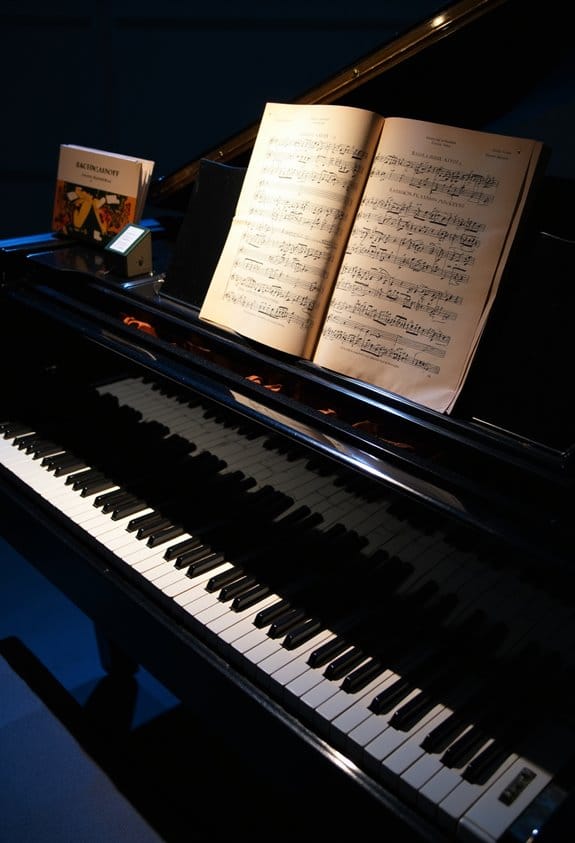
You know, when you think about classical music, Sergei Rachmaninoff really stands out, right? His key compositions are packed with emotion and power that draw you in. Take, for instance, his Piano Concertos No. 2 and No. 3. They’re both renowned for their deep emotional connectivity—perfect for anyone wanting to express intensity on the piano!
And then there’s the Rhapsody on a Theme of Paganini. It’s really interesting because it’s built around a single theme and has 24 variations. Each variation gives a unique twist, showcasing Rachmaninoff’s creativity and skill.
If you look at his Études-Tableaux, they’re like musical stories, filled with vivid imagery and technical challenges. These pieces require some serious pianist skills, like stretching your fingers and controlling those dynamic shifts! It’s fascinating how playing Rachmaninoff can be both an artistic expression and a test of your abilities.
Altogether, Rachmaninoff’s works are essential for any pianist eager to explore emotion and complexity in their playing. Plus, tackling one of his pieces can really elevate your musical journey! What do you think makes his music resonate so much with performers and audiences alike?
For beginners looking to accompany Rachmaninoff’s piano with guitar, selecting a guitar with comfortable fret transitions can enhance playability and encourage consistent practice.
The Essence of Piano Concerto No. 2

Hey, have you ever heard Sergei Rachmaninoff’s Piano Concerto No. 2? It’s not just a regular piece of classical music; it’s really an emotional journey that pulls both performers and audiences right in! Composed between 1900 and 1901, this concerto is known for its amazing melodies that perfectly mix technical skill with deep feelings.
Take the opening, for example—those iconic chords instantly grab your attention! Then, when you get to the slow movement, it’s all about nostalgia. Pianists have to really focus on delicate phrasing to capture that serene melody. It’s like you can feel the weight of memories in each note.
And don’t even get me started on the finale! With its fast-paced passages, it’s a real workout for the fingers—seriously, it can feel like your fingertips are on fire! The orchestral parts play off the piano beautifully, weaving a story that just keeps you hooked. Overall, this concerto is like a thrilling ride, taking you from moments of despair to a powerful triumph, making it a must-know piece in the piano world! It really shows how music can take us places, wouldn’t you agree? Modern pianists often train extensively on an 88 fully weighted keyboard to master the technical demands of such challenging compositions.
Exploring Interpretive Challenges

Have you ever wondered how pianists manage to bring out the magic in Rachmaninoff’s music? It all comes down to their interpretive choices! Rachmaninoff’s Études-Tableaux are incredibly expressive, almost like each piece is a painting that tells a story through sound. For instance, take the haunting Op. 39 No. 6; it’s like walking a tightrope – you need to balance aggression with control perfectly. If you lean too much in one direction, the whole performance can lose its grip.
Another key player in capturing the depth of Rachmaninoff’s work is the orchestral quality of the pieces. Pianists really focus on voicing and dynamics, which means they highlight certain notes or chords to create a fuller, more emotional experience. Think about how Rachmaninoff himself performed; he often showed how subtle nuances lead to extraordinary feelings. So, as pianists approach this music, they really have to embrace the challenge and let the melodies speak for themselves.
Next, let’s look at how dynamics and tempo can further influence a performance. Choosing a digital piano with graded hammer action keys can help pianists better express these nuances through authentic touch and response.
Recommended Products

𝐍𝐞𝐰 "𝟑𝐃" 𝐒𝐨𝐮𝐧𝐝 𝐒𝐲𝐬𝐭𝐞𝐦 - The newly upgraded speaker system - the unique hanging design of the speaker box makes the output sound more three-dimensional, providing you with the best listening experience. And this design reduces the footprint of the piano keyboard. DDP-200 88 keys digital piano has made significant advances in appearance and tone improvement

【88 Weighted Key Digital Piano】Experience the authentic touch of an acoustic piano from a digital piano. With bass keys that feel heavier and treble keys that are lighter, the DDP-300 electric piano offers a real playing sensation

【88-Key Graded Hammer Action Keyboard】:Full-size weighted keys with progressive touch—heavier bass, lighter treble, replicating the feel of an acoustic grand piano for authentic playing and proper finger training.
Unpacking Technical Demands
Rachmaninoff’s Études-Tableaux are a treasure trove of technical challenges for pianists! Just think of them as towering mountain ranges that really put your skills to the test. Take Op. 39 No. 6, for example; it’s packed with rapid chromatic passages that demand quick finger movements and accuracy. You’ll feel like you’re in a race against time as you zoom through those notes!
And then there are the wide chords that stretch your fingers like you’re playing a game of musical Twister. It’s quite the workout! You need to master your dynamics, shifting from soft whispers to loud crescendos without losing control, all while navigating your hand’s natural limitations.
Don’t forget about rhythmic precision! Some sections feature tricky syncopation, where timing is everything. Imagine trying to keep a steady beat while you’re also tossing a ball in the air—it’s all about coordination! Plus, your touch and pedaling need to vary to create beautiful, orchestral-like sounds. Every note really does count. It’s an exciting challenge that showcases Rachmaninoff’s genius! Now, let’s explore how these pieces shape the pianist’s journey and skill development.
For musicians, having the right maintenance tools can be just as crucial as practice when preparing for technically demanding compositions.
Recommended Products


Piano Concerto No. 3 Insights
You know, after diving into Rachmaninoff’s Études-Tableaux, it’s time to chat about something truly spectacular—the Piano Concerto No. 3 in D Minor! Composed back in 1909, this concerto is not just a display of technical skills; it’s also packed with deep emotions that really resonate.
The first movement? Wow, it kicks off with some tricky passagework that can really test a pianist’s chops. Picture rapid octaves flying by and wide hand spans that make you think, “How does anyone play that?” It’s a real showcase of virtuosity.
Then, we move to the second movement, which shifts gears completely. Here, Rachmaninoff offers some beautifully lyrical melodies that just pull at your heartstrings. It’s a moment where you can actually feel the music wrapping around you.
Just when you think it can’t get any better, the exhilarating finale arrives. It’s like a sprint to the finish line! The stamina and finesse required here are phenomenal, and it leaves both the pianist and audience breathless. Rachmaninoff’s Third Concerto continues to inspire musicians and enchant audiences, making it a piece you won’t forget anytime soon! Speaking of unforgettable experiences, let’s talk about how these elements of performance contribute to the overall impact of a piano concerto.
To truly master the demanding passages like those in the concerto, pianists benefit greatly from practicing on instruments with weighted keys and hammer action, which provide an authentic playing experience that develops essential technique.
Rhapsody on a Theme of Paganini Analysis
Have you ever experienced a piece of music that feels like a journey? That’s what you get with “Rhapsody on a Theme of Paganini”! Composed by Rachmaninoff in 1934, this piece features 24 variations on a catchy theme by Paganini, showcasing Rachmaninoff’s incredible skill as a composer.
Each variation is like a new chapter in a story, taking listeners through different moods and feelings. For instance, some parts are lively and playful, while others might feel introspective or dramatic. When performers play this piece, they have to master some seriously challenging techniques—think of the finger speed and agility required to pull off those intricate passages. It’s like a workout for the hands!
One of the most memorable moments comes in the 18th variation. Here, Rachmaninoff transforms that playful theme into something truly emotional and heartfelt. You can really feel the tension and release as the piano and orchestra interact, trading melodies back and forth. It’s not just about showing off technique; it’s about connecting with the audience on a deeper level, which is part of what makes this piece so beloved.
As you can see, “Rhapsody on a Theme of Paganini” offers both technical brilliance and emotional depth, making it a favorite in concert halls around the world. You might even find that listening to it sparks your own musical curiosity! Musicians often rely on hammer action mechanisms to faithfully replicate the dynamic control needed for such expressive compositions.
The Signature of Études-Tableaux
Hey there! Have you ever listened to Rachmaninoff’s Études-Tableaux Op. 39? These pieces are a fantastic blend of technique and emotion that really make the piano come alive. Composed between 1916 and 1917, they’re not just exercises for pianists; they feel like little musical stories that capture deep feelings with each note.
Take Op. 39 No. 6, for example. It’s packed with intense drama and feels like you’re watching a cinematic moment unfold through music. The technical skills needed to play it are pretty wild—you have to navigate through rapid chromatic passages and intricate textures. It’s almost like juggling color while telling a story!
What’s really cool is how Rachmaninoff emphasizes shaping these long phrases. This approach adds such emotional weight to the pieces, making them resonate on a personal level. It’s fascinating how mastering the piano can evoke such strong emotions, right? As you explore more of Rachmaninoff’s works, you’ll see just how much his passion and precision blend to create stunning music. Just like a protective padded mount safeguards guitars, careful technique protects the emotional integrity of each musical phrase.
Technical Challenges in Preludes
Rachmaninoff’s Preludes are such a fascinating challenge for pianists! They really test your finger dexterity with their rapid runs and those intricate arpeggios that stretch over two octaves. I mean, playing these pieces feels like giving your fingers a serious workout!
But it’s not just about speed; you also need to master dynamic contrast. Imagine going from a soft whisper, like ppp, to a loud, thunderous fff—switching between those extremes takes real skill. And you have to balance it all beautifully, which isn’t always easy!
Then there’s the importance of voicing. Rachmaninoff’s music can get pretty dense, so it’s crucial to make sure every note stands out. You want the main melody to be strong while still letting those hidden voices shine through. Take the Prelude in C-sharp minor, for example; it adds its own unique challenges with handspan that can really stretch you.
With time and practice, these technical challenges become opportunities for growth. They’re part of the journey towards making beautiful music! Speaking of which, let’s look at how those techniques can enhance your overall expression when playing.
Ensuring proper piano maintenance with felt piano washers can also improve your playing experience by reducing mechanical noise and enhancing key response.
Recommended Products

Balance Washer: Used for cushioning between piano parts, reducing noise and restoring the original sound of the piano.Suitable for leveling keys, it can replace the tool for regulating repair, such as worn and moth-eaten accessory.
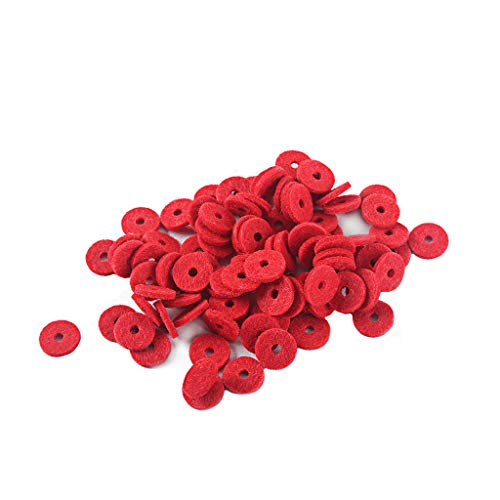
These piano washers are ideal for replacing old worn out or washers eaten by the moth

Piano Felt Balance Rail Punchings
Understanding Rachmaninoff’s Pianistic Techniques
You know, when we talk about playing the piano, it’s easy to focus just on the notes. But Rachmaninoff’s pianistic techniques are a perfect example of how much more is involved! For instance, he often used his forearms to create those rich, powerful tones, while his fingers worked to keep everything precise. It’s like a beautiful dance between strength and finesse!
His pedal technique is another standout feature. Imagine being able to seamlessly shift from soft, delicate passages to booming chords without losing control. That smooth transition adds so much emotion to the performance and gives listeners that thrilling sensation!
And then there’s Rachmaninoff’s rolling technique, which really helped him manage those wide chords and tricky arpeggios, making them sound effortless even if they’re actually quite complex. Plus, his melodic lines always had a certain flow, almost like a river winding through a landscape. Aspiring pianists probably dream of achieving that level of mastery! Exploring these elements really reveals the depth of his genius, doesn’t it?
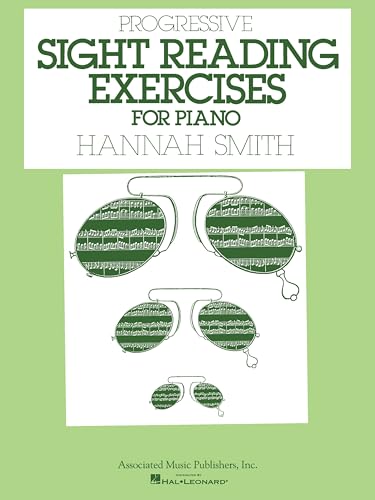
Moreover, incorporating pieces with progressive skill building can help develop similar techniques and expressive playing.
Recommended Products


Performance Strategies for Pianists
When you’re looking to perform Rachmaninoff’s pieces, using the right performance strategies can really help bring out their beauty! It’s all about mastering those dynamics—think of how certain notes can convey deep feelings. For instance, embracing a forearm technique can help you clarify those gorgeous melodies, making them pop even in the thickest textures.
Coordination in your hands is crucial too, especially when you face wide chords like in the Études-Tableaux. A handy trick is to practice rolling your hands; it’ll make those tricky parts sound much cleaner. And just like delivering a speech where you go from a soft whisper to a booming statement, controlling your dynamics throughout the piece can add a lot of drama and impact. Selecting an adjustable height keyboard stand can further enhance comfort and technique during practice and performance.
Frequently Asked Questions
What Is the Most Terrifying Piece of Rachmaninoff?
Q: What is considered the most terrifying piece by Rachmaninoff?
A: Rachmaninoff’s Etudes-Tableaux Op. 39 No. 6 is often regarded as his most terrifying work. It features haunting harmonies and dynamic contrasts that mirror Rachmaninoff’s own nightmares, creating a chilling experience for both performers and listeners.
*Tip: For those attempting to perform it, focusing on mastering the dynamic shifts can enhance its emotional impact.*
Q: What elements contribute to the terror of this piece?
A: The piece’s unsettling harmonies and dynamic contrasts are key elements that contribute to its fearsome reputation. These features evoke a sense of unease, allowing listeners to feel the intensity of Rachmaninoff’s emotions.
*Tip: Listening to different interpretations can provide insight into expressive nuances to incorporate into your own performance.*
What Makes Rachmaninoff Special?
Q: What makes Rachmaninoff’s music special?
A: Rachmaninoff’s music is distinguished by its emotional depth, which combines virtuosic technique with intricate orchestral textures. His profound ability to evoke emotions through complex harmonies and rich melodies makes him a standout in classical music.
*Tip: To fully appreciate his work, listen to both his orchestral pieces and piano concertos, as they showcase his unique style.*
Q: How does Rachmaninoff’s emotional depth contribute to his uniqueness?
A: His emotional depth allows listeners to connect with his music on a personal level, often resonating with the listener’s own experiences and feelings. This connection is enhanced by his use of rich melodies that linger in the mind.
*Tip: Consider attending live performances to experience the powerful emotional impact firsthand.*
Q: Why are Rachmaninoff’s harmonies considered complex?
A: Rachmaninoff’s harmonies often incorporate unexpected modulations and lush chord progressions that create tension and release. This complexity adds layers to the music, engaging the listener more deeply.
*Caveat: Some listeners may find his music challenging initially; it may take time to appreciate the depth of his harmonies fully.*
What Pop Song Is Based on Rachmaninoff?
Q: What pop song is based on Rachmaninoff?
A: The pop song “All By Myself,” famously performed by Eric Carmen, is based on the works of Rachmaninoff. The song blends classical melodies with modern themes of loneliness and longing, which resonates strongly with listeners.
Tip: When listening to adaptations of classical music, consider exploring the original pieces for a deeper appreciation of the influences.
Was Rachmaninoff a Prodigy?
Q: Was Rachmaninoff a prodigy?
A: Yes, Rachmaninoff was considered a prodigy. From a young age, he displayed exceptional talent through early compositions and was influenced by notable musicians, which significantly shaped his skills.
*Tip: Early exposure to music and mentorship can greatly enhance a young musician’s development.*
Q: How did his childhood influence his future successes?
A: His childhood experiences and musical environment provided a strong foundation for his career in both performance and composition. The skills he developed during this formative period were instrumental in his later achievements.
*Caveat: While natural talent is vital, consistent practice and guidance are necessary for long-term success.*


