As an Amazon Associate, we earn from qualifying purchases. Some links on this site are affiliate links at no extra cost to you. Our recommendations are based on thorough research and editorial judgment.

What Made Glenn Gould’s Playing Style So Unique

Discover the brilliant world of Glenn Gould, whose unique playing style revolutionized classical music! If you’re a music enthusiast or aspiring pianist, you’ll find inspiration in Gould’s exceptional techniques.
You may be interested


Known for his unconventional posture and low seating, he achieved remarkable control and clarity in his performances. Unlike many pianists, he eschewed the use of pedals, choosing instead to emphasize the precision of each note.
His distinctive humming added a personal emotional layer to his music that captivated audiences. In this exploration, you’ll learn how Gould’s innovative approach continues to influence modern musicians and keep the spirit of classical music fresh and exhilarating.
Join us as we delve into the artistry of one of music’s most fascinating figures!
Key Takeaways
- Gould’s low seated position allowed for enhanced control over keys, contributing to his clarity and precision in playing.
- He famously eschewed piano pedals, achieving a sharp tone that highlighted each note, especially in Bach’s compositions.
- His unique humming while playing added a personal, emotive touch, indicating deep engagement with the music.
- Dramatic shifts in tempo and dynamics through rubato techniques infused energy and emotional depth into his performances.
- Gould’s evolving interpretations over time showcased his commitment to artistic vision, influencing both classical and contemporary musicians.
Innovative Piano Technique

Hey, have you ever heard of Glenn Gould and his innovative piano techniques? He completely transformed the way people think about playing the piano! One of the coolest things about his style was his low seated position. It might sound odd, but sitting low gave him incredible control over the keys—almost like he was lounging on a couch while performing!
Gould also had a distinctive sound, partly because he often chose to skip the use of pedals. This might seem strange, but it created this sharp, clean tone that made every note stand out—kind of like enjoying a perfectly popped piece of popcorn without any soggy bits! It’s fascinating how something as simple as pedal usage can affect the overall feel of a piece.
And let’s not forget about his quirky habit of humming along as he played! It added a personal touch to his performances that made them feel alive and full of emotion.
What really set Gould apart was his refusal to stick to the traditional rules of piano playing. Instead, he’d break down compositions into smaller sections, which allowed him to focus on the emotional richness and the little technical details of each part. This meant he could really express the heart of the music in a way that was unique to him.
Isn’t it interesting how breaking the rules can lead to something so fresh and engaging? It makes you wonder what other creative twists musicians can explore! In the context of piano playing, using graded hammer action keys can also profoundly affect expressive control, much like the nuanced techniques Gould employed.
Recommended Products
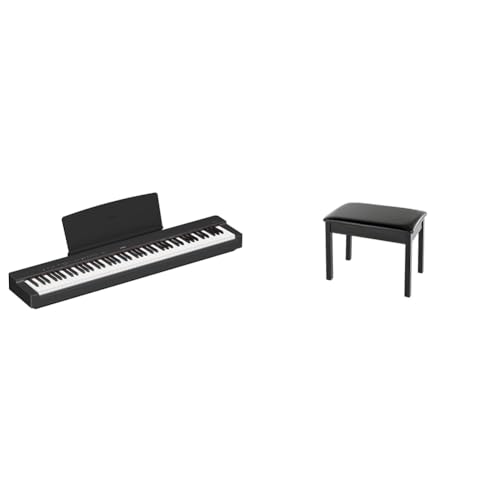
Product 1: Graded Hammer Compact (GHC) keyboard action uses weighted keys to replicate the acoustic piano experience, with a compact design that saves space without sacrificing authenticity.

NATURAL THICK FUR AREA RUGS: Cushion your feet and luxuriate in the feel of lush fur with this small sheepskin area rug by Natural. Set this quality fur rug by your bed, in front of your fireplace, near your entryway, or at the foot of a comfy armchair for extra comfort.

VINTAGE WOODEN ENTRYWAY BENCH: Add timeless character to your home with this antique-style wooden bench; inspired by traditional noodle shop seating with a weathered natural wood finish for a true vintage feel
Clarity and Precision in Fast Passages

When you’re tackling fast passages on the piano, precision is everything! Just look at Glenn Gould—his unique seated position, way down low at the piano, gave him incredible control over his finger movements. This allowed him to play with stunning clarity and articulation.
But here’s the kicker: Gould often skipped the pedals. Why? Because avoiding the pedals made his sound crisp and clear. Each note rang out distinctly, especially in his Bach recordings, where intricate counterpoints became beautifully pronounced. It’s fascinating to see how such a simple choice can elevate the music.
Critics really appreciated this focus on detail in his performances. It’s a reminder that sometimes, a fresh perspective can transform your music. So, next time you’re trying to master a speedy segment, think about Gould’s techniques and strive for that precision in your playing! In music performance, the material quality—such as that found with bone saddles on acoustic guitars—plays a crucial role in enhancing tonal clarity, which parallels the emphasis Gould placed on sound precision.
The Role of Humming in Performance

Humming while playing the piano? Believe it or not, Glenn Gould made this a signature part of his performances! His humming wasn’t just a quirky habit; it reflected how deeply he connected with the music. Picture this: as he passionately played his pieces, his humming added an intimate layer that drew listeners into his emotional experience. Some people found it charming, while others were more critical—kind of like debating whether pineapple belongs on pizza!
This unique vocal style became a hallmark of Gould’s artistry, setting him apart from other classical musicians. It wasn’t merely background noise; it was like sprinkling a little extra flavor on a cupcake! For instance, in his rendition of Bach’s Goldberg Variations, his humming shifts the entire feel, making it more personal and engaging. So, the next time you listen to Gould, pay attention to how his humming changes the way you experience his music. It’s quite fascinating, don’t you think?
Musicians often rely on tuning stability to ensure their instruments maintain pitch during expressive performances like Gould’s.
Emphasis on Emotional Interpretation
You know what really makes a musician’s performance stand out? It’s all about emotional interpretation! Just look at Glenn Gould. When he played Bach, especially in the “Goldberg Variations,” he focused on making every note clear and precise. This attention to detail helped listeners feel the emotions behind the music—it’s like you could almost touch those feelings!
One interesting thing about Gould is that he chose not to use the pedal when he played. This gave his performances a unique, almost raw sound that really highlighted his technical skill. For instance, if you listen to his two recordings of the “Goldberg Variations,” one from 1955 and the other from 1981, you can hear how much his style evolved. It’s fascinating to hear how he captured different emotional depths with each recording!
Can you imagine humming along to those complex melodies? That’s what makes his interpretations so relatable and memorable. It’s not just about the notes; it’s about the feelings behind them. Speaking of feelings, let’s explore how other musicians convey emotion in their work and what techniques they use! Choosing the right instrument with the appropriate body shape can significantly enhance a musician’s ability to express emotion through their playing.
Unique Approach to Dynamics and Tempo
You know, one of the things that really sets Glenn Gould apart as a pianist is his unique approach to dynamics and tempo. It’s pretty fascinating how he managed to infuse his performances with so much energy, even without relying heavily on the piano pedals. This decision helped create a clear sound that made every note stand out.
Have you ever noticed the dramatic shifts in tempo he used? Gould had this special knack for incorporating rubato techniques, which means he would stretch or compress the rhythm a bit for emotional effect. It’s like when you’re telling a story and you pause for emphasis—suddenly, the tale becomes more gripping!
What’s really cool is how he employed soft dynamics to reveal the intricate counterpoints in Bach’s compositions. Picture it: soft whispers of notes that almost feel like you’re catching a secret being shared. His playful tempo fluctuations transformed each piece into a captivating narrative. Even though some people might not have always agreed with his interpretations, he always kept the core intentions of the composer at heart. This unique approach made listeners hear familiar music in a wonderfully fresh way!
Interestingly, just like high-quality piano components can enhance instrument performance, Gould’s precise control parallels the value of using durable felt bushings in piano maintenance to ensure smooth key action.
Speaking of fresh perspectives, let’s explore how Gould’s influence changed the world of classical music interpretation.
Recommended Products
Made of durable natural rubber

LIVELY BUSHINGS – Crafted for quick turning response and smooth edge-to-edge transitions, Orangatang Knuckles are the ultimate high-energy bushing upgrade for carving, pumping, dancing, and freestyle longboarding.

Package of 12 knob spacer bushings
Influence of Recording Technology
You know, creativity in music really comes alive with the right tools! Take Glenn Gould, for example—he was a true pioneer in using recording technology as his creative playground. While he loved playing the piano, he discovered that in the studio, he could do so much more. Techniques like splicing and overdubbing allowed him to enhance his recordings in ways that simply weren’t possible during live performances.
A perfect illustration of this is his famous 1981 recording of Bach’s *Goldberg Variations*. It wasn’t just another rendition; it completely changed the way we think about classical music recordings. When Gould stepped back from live shows in 1964, he embraced the freedom of the studio, capturing every subtlety and nuance that make his performances so special. It’s fascinating to think about how his innovative approach has influenced countless musicians since then. Just like Glenn Gould’s embrace of technology, modern musicians often use acoustic-electric guitars to blend traditional playing with electronic enhancements for richer sound experiences.
Recommended Products

EVERY TOUCH AND DYNAMIC REGISTERS WITH NATURAL PRECISION: Triple sensor keybed and grand weighted action detect every nuance for natural, expressive response across all 88 keys
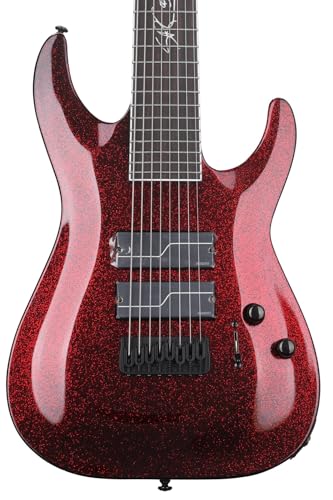
8-string Solidbody Electric Guitar with Maple Neck

coustic-electric Guitar with Tropical Mahogany Top
Distinctive Physicality at the Piano
Have you ever noticed how some classical pianists really stand out? Glenn Gould is one of those remarkable players who truly captivated audiences with his unique physicality at the piano! He had this fascinating way of sitting incredibly low—almost as if he were about to touch the keys with his nose. This odd posture allowed him to play with a level of clarity and precision that was stunning, especially in those rapid passages.
Instead of using the pedals like many traditional pianists, Gould relied on his technique to create a dry, clean sound that made every single note shine. For instance, when he tackled Bach’s “Goldberg Variations,” you could really hear the intricate details of each phrase because of his unique approach. And then there was his humming. It might seem a bit strange, but it was a reflection of how deeply engaged he was with the music. Some people loved this quirk, while others found it distracting.
Gould’s distinctive style, along with his sharp intellect and unconventional habits, truly made him a pioneer of his time. It’s amazing to think that something as simple as sitting low could influence how we experience piano music. Speaking of influences, let’s explore how different pianist approaches shape their overall sound, shall we? The subtleties in touch and tone can be compared to how body shape impact affects the sound of acoustic guitars, demonstrating how physical positioning always plays a crucial role in musical expression.
Recommended Products

NATURAL THICK FUR AREA RUGS: Cushion your feet and luxuriate in the feel of lush fur with this small sheepskin area rug by Natural. Set this quality fur rug by your bed, in front of your fireplace, near your entryway, or at the foot of a comfy armchair for extra comfort.

Strong: Supports up to 330 pounds; nonslip rubber feet prevents slips and skids.

Artistic Vision Over Conformity
You know, when it comes to Glenn Gould’s musical style, his artistic vision really shines through! He approached music in a way that set him apart from your average pianist. Instead of sticking to the usual norms, he brought his own personal spin to everything he played. For instance, he was famous for cutting back on the excessive use of pedal – can you believe that? It really changed how some of Bach’s works, especially the Goldberg Variations, were heard!
What’s fascinating is how Gould treated his recordings like artistic canvases. He embraced technology in a unique way that allowed him to capture his evolving interpretation. Each version of the Goldberg Variations he recorded had its own distinct flavor, almost like he was painting with sound! It’s such a vivid reminder of how personal expression can breathe new life into classic pieces. This inventive approach mirrors how musicians often tailor their playability and comfort to fully express their artistic vision.
Evolution of Interpretative Style
Have you ever thought about how artists evolve their interpretations over time? Take Glenn Gould’s recordings of Bach’s *Goldberg Variations*—the difference between his 1955 and 1981 performances is mind-blowing! It’s fascinating to see how much his style changed.
Most classical pianists stick to traditional techniques, but Gould really shook things up. Instead of using the piano pedals to create that lush sound, he opted for a dry, crisp tone, which really brought out the structure of the music. It’s a bold move that made his interpretations stand out!
Gould also had this incredible drive to explore lesser-known works, which added a fresh twist to his performances. He believed that as artists grow, their interpretations should grow too. This was a revolutionary idea at the time and allowed musicians to express themselves more freely.
Thanks to people like Gould, future artists felt inspired to play in their own unique way. His influence showed that there’s so much more to playing the piano than just following the rules. It really opens up a whole new world of possibilities in music! Additionally, choosing the right weighted key action can greatly enhance a pianist’s ability to convey emotion through touch and dynamic control.
Recommended Products

Combines two switchable fuzz flavors with a growling sub octave signal Separate Dry volume control ensures clean low end retention Bass and Treble controls allow you to fine-tune your fuzz signal Mid Level control allows you to boost your clean midrange to cut through the mix

【2 in 1 Guitar Pedal】Our Vowel pedal combines the WAH WAH pedal and active VOLUME pedal in one, providing great convenience while playing

Enjoy expressive realism with half-damper pedal control (this feature only works with Korg keyboards)
Impact on Classical and Contemporary Music
You know, classical music really took a turn thanks to Glenn Gould and his unique playing style. It’s fascinating how he approached the piano—by skipping the pedals, he created this really crisp sound that allowed Bach’s pieces to shine like never before. It was like he wanted the listener to hear every detail, every note, especially in a bustling place like New York City where music was everywhere.
What’s even more interesting is that Gould had this quirky habit of humming along while he played! It wasn’t just a nervous tick; it actually added an emotional layer to his performances. Imagine sitting in the audience and hearing not just the music, but the artist’s heartfelt connection to it. This unique style didn’t just impact classical music; it rippled into other genres too. For instance, contemporary jazz musicians began experimenting with rhythm and timing in ways that echoed Gould’s bold techniques.
Maintaining the instrument’s optimal sound, much like using piano hammer shanks to ensure clear note delivery, can significantly influence how a pianist’s unique style is perceived.
Frequently Asked Questions
What Made Glenn Gould Unique?
Q: What made Glenn Gould’s piano technique unique?
A: Glenn Gould established a personal approach to piano through uncommon nuances and a commitment to clarity. His unique techniques helped reshape classical interpretation, making it more expressive and innovative. *Tip: Listen to his recordings to appreciate the subtle differences in his playing style.*
Q: How did Gould’s recording methods influence his music?
A: Gould employed innovative recording techniques that enhanced the auditory experience of his performances, allowing listeners to hear details that might go unnoticed in a concert setting. This approach not only changed how music was captured but also how it was perceived. *Caveat: Remember that studio recordings can differ significantly from live performances in energy and context.*
What Is so Special About the Goldberg Variations?
Q: What makes the Goldberg Variations special?
A: The Goldberg Variations stand out for their intricate structure and profound emotional resonance. They combine intellectual complexity with deep expressive interpretation, showcasing Bach’s remarkable compositional skill.
*Tip: Listening to various interpretations can enhance your understanding of its nuances.*
Q: How do the Variations captivate listeners?
A: Their unique blend of complexity and emotion draws listeners in, allowing for a rich auditory experience. This balance of cerebral and heartfelt performance keeps the work engaging across different listens.
*Caveat: If you find the piece overwhelming at first, consider breaking it down by listening to a few variations at a time.*
Q: In what ways do the Variations serve as a tribute to Bach?
A: They reflect Bach’s mastery in combining technical prowess with artistic expression, establishing him as a genius in the classical music realm. The work has become a seminal piece that highlights the depth of human emotion through music.
*Tip: Explore background information on Bach’s life to deepen your appreciation of the work’s context.*
Who Is Considered the Best Pianist of All Time?
Q: Who is considered the best pianist of all time?
A: There is no definitive answer, as it largely depends on personal taste. Many people highlight Glenn Gould, Horace Parlan, and Vladimir Horowitz for their extraordinary artistry and emotional depth.
*Tip: Listen to recordings from various pianists to determine whose style resonates with you the most.*
Q: What factors influence the perception of the best pianist?
A: Personal preference plays a crucial role, as different listeners have varied tastes in musical expression and technique. Additionally, the context in which a pianist performs may affect evaluations of their skill and artistry.
*Tip: Attend live performances to experience the emotional impact of different pianists first-hand.*
What Is the Purpose of Art Glenn Gould?
Q: How did Glenn Gould view the impact of art?
A: Glenn Gould believed that art serves as a powerful way to transcend time and elicit emotional responses. He saw it as a spiritual offering that creates a meaningful bond between the artist and their audience.
*Tip: Explore different interpretations of art to deepen your understanding and appreciation of its emotional impact.*
Q: What did Gould believe about the connection between artist and audience?
A: Gould emphasized that art fosters a deep connection between the artist and the audience through personal interpretation and innovative expression. This relationship is central to the experience and meaning of the artwork.
*Caveat: Remember that each individual’s experience of art is unique; don’t feel pressured to conform to a specific interpretation.*


