As an Amazon Associate, we earn from qualifying purchases. Some links on this site are affiliate links at no extra cost to you. Our recommendations are based on thorough research and editorial judgment.


How the Piano Became the Most Popular Instrument in Homes

Discover how the piano became the most beloved instrument in countless American homes!
You may be interested


If you’re curious about the cultural and historical factors that contributed to its rise in popularity, you’re in the right place.
By the late 1800s, the piano became an affordable fixture, making it an essential part of music-loving families’ lives.
The innovation of player pianos allowed even those without formal training to appreciate and enjoy music.
Additionally, piano lessons became a delightful way for children to develop their talents and enrich family gatherings.
Join us as we delve into the fascinating journey of the piano and its lasting impact on home life!
Key Takeaways
- Mass production in the late 1800s made pianos more affordable, increasing ownership among families.
- The rise of player pianos allowed families to enjoy music without requiring musical skills.
- Prominent composers expanded the piano’s emotional expression, making it central to household entertainment.
- Music education and piano lessons developed important life skills, encouraging families to invest in the instrument.
- The piano’s versatility across various genres continues to attract both children and adults to learn and play.
The Rise of the Piano in American Homes

You know, in American homes, the piano really has a special spot and for good reason! By the late 1800s, thanks to mass production, pianos became much more affordable. Can you believe that around 21 million Americans picked up piano lessons during that time? It really shows how popular the instrument was!
Now, think about the Golden Era before World War II—piano ownership was at an all-time high. For many middle-class families, having a piano wasn’t just about music; it was a symbol of sophistication and cultural status. Picture family gatherings where everyone would gather around the piano for a sing-along or music lesson. It was a great way to bond.
And let’s not forget player pianos! They made it possible for people who couldn’t actually play to still enjoy lovely music in their homes. Imagine pushing a button and hearing beautiful tunes fill the room; it changed the way families experienced music together.
Sure, later on, radios and phonographs came onto the scene, but the piano has always held a special place in our hearts. It’s like having your own mini concert right in the living room! There’s something about those impromptu jam sessions that just brings everyone together. It’s a wonderful reminder of how central music has been in family life. Digital pianos with weighted keys now bring an authentic playing experience to homes, continuing the piano’s role in personal music making. So, speaking of music, have you ever tried taking a few piano lessons yourself?
Recommended Products

FULL-SIZE COMMERCIAL GRADE: Equipped with the Highest Quality SANWA Joysticks, Trackball, 22" LCD Monitor, Thick Tempered Glass, and more! We stand behind our products because we are industry leaders in quality craftsmanship and design.

The CFX Premium Grand Piano Voice recreates the power and tone of Yamaha's flagship CFX concert grand piano

Technological Advancements and Accessibility

You know, technological advancements have completely changed how families enjoy music with pianos! Back in the late 1800s, pianos became much more affordable thanks to mass production, which meant that more families could finally bring music into their homes. And then came player pianos, which were a real treat. Picture this: even if you didn’t take music lessons, you could still listen to beautiful tunes just by pressing a button or a pedal. How cool is that?
Today, with the rise of digital pianos and improved features, learning to play has become so much simpler and accessible. For example, some digital pianos have built-in learning tools, like light-up keys or interactive apps, that make getting started fun for kids and adults alike. It’s like having a personal tutor right at home! Imagine surprising your friends with a little performance—how fun would that be?
Pianos have really become a family favorite, encouraging everyone to explore their musical side. Many modern digital pianos come equipped with 88 fully weighted keys, which provides an authentic playing experience similar to acoustic pianos.
So, what do you think inspires you to give it a try?
Recommended Products

Two super-clear OLED displays for on-stage clarity, seamless transitions when changing programs/sounds, extended Split functionality with optional crossfade, and the addition of the new Song List Mode

88-key Digital Piano with Grade-weighted Hammer-action Wooden Keys
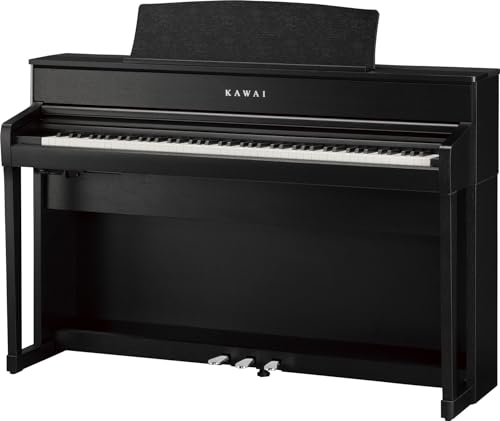
88-key Digital Piano with Grade-weighted Hammer-action Wooden Keys
The Role of Women in Piano Culture

Have you ever wondered how the piano became such an important part of women’s lives throughout history? Back in the 18th and early 19th centuries, playing the piano wasn’t just a fun pastime; it was often seen as crucial for a woman’s social standing. Being proficient in piano could really boost a woman’s chances of finding a good marriage match!
Take Clara Schumann, for instance. She didn’t just tickle the ivories; she was a major figure in shaping classical music and influenced great composers like Chopin and Brahms. It’s incredible to think about how women like her carved out significant roles in a male-dominated field!
As the middle class grew, pianos became a sign of wealth and sophistication. Imagine walking into a cozy home filled with the sounds of piano music, where families shared moments and created lasting memories. In places like East Asia, women even swapped traditional instruments for pianos, showing just how transformative this instrument was for them. The piano truly became a symbol of opportunity and expression for women everywhere, didn’t it? Modern piano players benefit greatly from ergonomic piano benches that enhance comfort and posture during extended play.
Influence of Composers and Musical Trends
You know, the influence of composers on piano music is like finding the perfect spice that takes a classic dish to another level. Think about composers like Mozart, Beethoven, and Chopin. They really pushed the limits of the piano, enabling it to reach its full potential in the 18th and 19th centuries. Their beautiful compositions transformed the piano into a must-have centerpiece in homes, inspiring families to gather around and try to master their pieces.
What’s really interesting is how the piano’s dynamic range caught the attention of music lovers everywhere. It encouraged people to express themselves through music, adding emotion to their playing. Plus, the rise of accessible sheet music made it super easy for even beginners to pick up a piece and join in. Just imagine the joy of sitting around the piano with friends or family, playing classics or even some catchy tunes!
And let’s not forget how female pianists played a crucial role in popularizing the instrument. Their graceful performances not only showcased their talent but also encouraged more people to learn the piano at home. It’s no wonder the piano became such a beloved instrument! As we explore the evolution of piano music further, we can see how these trends shaped the landscape of music for years to come. Proper maintenance and using the right repair tools can keep your instrument sounding its best for generations.
The Importance of Music Education
Hey there! You know, when it comes to music education, a lot of people think it’s all about just hitting the right notes and keeping time, but it’s so much more than that. For instance, piano lessons not only let kids express themselves musically but also help boost their brainpower in really cool ways.
Have you heard how learning to play the piano can actually enhance memory and concentration? Kids engaging with music often find that their ability to grasp complex ideas, like those in math, gets a boost too. That’s because music teaches them to spot patterns and understand sequences—skills that really come in handy when they’re working with numbers in class!
And let’s not overlook the character-building side of things. Staying committed to mastering the piano helps kids learn discipline and perseverance, qualities that will serve them well in their studies and beyond. Additionally, using quality instruments helps ensure consistent practice and sound quality, which further motivates learning. So, how about we explore more about the ways music can shape our lives?
Social Functions of the Piano in Family Life
You know, when it comes to family life, the piano really shines as more than just an instrument—it’s a lively center for connection and creativity! With about 21 million Americans playing, these pianos help families create shared memories that boost their happiness. Just picture it: a cozy evening filled with sing-alongs and performances. Doesn’t that sound like a blast?
Back in the 19th century, having a piano was kind of like owning a luxury car today—it filled families with pride! These instruments didn’t just sit around; they encouraged families to engage in music-making together and explore traditional folk songs. For instance, it wasn’t unusual for parents to guide their kids in learning an old tune that had been in the family for generations. Plus, many families invested in music lessons, recognizing the value of nurturing their children’s talents. Maintaining a piano’s longevity often involves ensuring the smooth operation of its fallboard hinges, which contribute to both functionality and the instrument’s aesthetic appeal.
Recommended Products

Premium Sound: Enjoy a rich, authentic grand piano experience with the 88-key weighted digital piano, delivering exceptional sound quality

The DGX670B digital piano faithfully reproduces the sound of Yamaha's flagship CFX Full Concert Grand piano with CFX Stereo Sampling.

WEIGHTED KEYBOARD PIANO: The DDP-400 keyboard piano features a full-sized 88-key hammer-action progressive weighted keyboard with a double-contact design, precisely mimicking finger strength changes, exceptionally replicating the feel of a piano's touch. It's heavier in the low end and lighter in the high end, providing performance comparable to that of premium pianos
Versatility Across Musical Genres
You know, music really has this incredible way of uniting people, and the piano is a fantastic example of that versatility! Think about it: whether you’re jamming out to a Beethoven sonata or rocking out to a modern pop song, the piano can do it all. It’s pretty cool how it has evolved to fit so many different styles over the years.
Because of this adaptability, a lot of people are eager to start piano lessons. Kids often get inspired to learn, but you’d be surprised how many adults pick up the instrument later in life too! You can even find online courses or local workshops, making it easy to find a way in.
The piano is awesome for both solo performances and group settings, giving musicians a chance to try their hand at different genres. Think about iconic duos or bands where the piano plays a key role—like Elton John or Queen with “Bohemian Rhapsody.” Whether you’re playing a timeless classic or today’s chart-toppers, the piano really enhances your musical journey. It’s clear that this instrument is always an inviting canvas for creativity! What do you think about giving it a try?
For those playing digital pianos at home, using closed-back headphones can help provide excellent sound isolation to focus on every musical detail.
Recommended Products

RPA2023 RPA2023 bobbin-wound voice coil RPA2023 features a hard, shock-absorbing Ebony (striped ebony) wood housing,

Bundle Includes: Korg PA600 Professional Arranger Keyboard, Large Keyboard Bench, Keyboard Piano Style Sustain Pedal, Closed-Back Studio Monitor Headphones, and X-Style Keyboard Stand
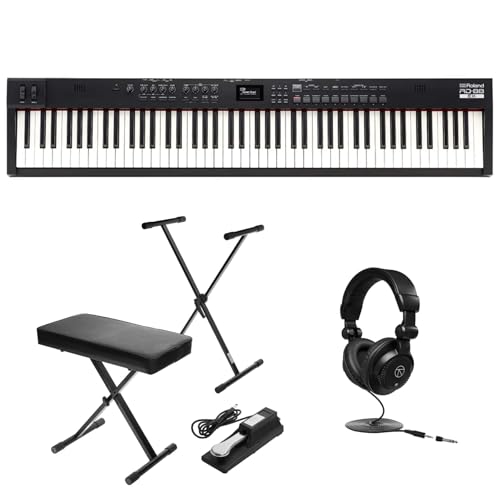
Superior sound quality with SuperNATURAL and ZEN-Core engines
The Impact of the Player Piano on Home Entertainment
Have you ever thought about how nice it would be to have live music in your living room? That’s exactly what the player piano offered back in the early 1900s. Imagine being able to enjoy the sweet sounds of your favorite tunes without needing to learn how to play! This nifty invention first hit the market in 1895 and operated using foot-powered pneumatics to play music from perforated paper rolls.
Just picture this: You could invite friends over, set the player piano to your chosen song, and let it serenade everyone while you all kick back and enjoy some snacks. It was the perfect blend of technology and entertainment for families wanting to entertain without the fuss of a live musician.
With its easy setup and charming sounds, the player piano quickly became a beloved part of many homes. It opened up a whole new world for families, making music an accessible form of entertainment that didn’t require musical training. Isn’t it fascinating how technology has transformed our experiences over the years? The way we enjoy music at home has evolved tremendously since then. Today, we continue to benefit from music learning support that helps bring music into every household.
Recommended Products


Semi-weighted synth action provides expressive response in a 76-note keyboard
Frequently Asked Questions
When Did Pianos Become Common in Homes?
Q: When did pianos become common in homes?
A: Pianos began to gain widespread popularity in homes during the late 19th century. This was largely due to advancements in piano manufacturing, which made them more accessible and affordable to the average family.
Tip: Consider looking for used or refurbished pianos if you’re interested in bringing one into your home, as they can often be found at a fraction of the cost of new models.
—
Q: What factors contributed to the rise of pianos in households?
A: Several factors played a role, including improved manufacturing techniques, the push for musical education, and the growing importance of family entertainment. Additionally, player pianos emerged, making it easier for families to enjoy music without needing to play.
Caveat: Keep in mind that while player pianos offer convenience, they may lack the personal touch and skill development that comes from learning to play an instrument.
—
Q: How did pianos influence family dynamics during this period?
A: Pianos contributed significantly to family entertainment, serving as a focal point for social gatherings and family activities. They also represented a cultural status symbol for many households, indicating a certain level of sophistication and education.
Tip: Setting aside regular time for family music sessions can enhance bonding and create lasting memories, regardless of whether anyone in the family plays professionally.
Why Did the Piano Become Popular?
Q: Why did the piano become popular?
A: The piano gained popularity largely due to its affordability, which made it accessible for music education. Additionally, cultural influences and urban lifestyles embraced the piano for social gatherings, solidifying its role in family and community life.
*Tip: Consider exploring local second-hand options or community programs to find affordable pianos for beginners.*
What Is the 80 20 Rule in Piano?
Q: What is the 80/20 rule in piano?
A: The 80/20 rule, or Pareto Principle, in piano practice suggests that 80% of your progress comes from 20% of the effort you put in. This means focusing on key areas like music theory, improvisation, and composition can yield significant results.
*Tip: Identify the specific techniques or pieces that are giving you the most challenge and concentrate on those for optimal improvement.*
Q: How can I apply focused practice techniques?
A: Focused practice techniques involve breaking down pieces into smaller sections and mastering them before combining them. This method fosters better retention and skill development.
*Caveat: Ensure to balance focused practice with some free play to maintain enjoyment in your learning process.*
Q: What music theory essentials should I prioritize?
A: Prioritize learning fundamental concepts such as scales, chord progressions, and key signatures. These foundational elements are crucial for understanding more complex pieces.
*Tip: Create flashcards for these concepts to reinforce your memory and facilitate quicker recall during practice.*
Q: How can I incorporate improvisation basics?
A: Start with simple scales and chords, then experiment by playing melodies on top. This practice helps develop your ear and creative expression.
*Caveat: Allow yourself the freedom to make mistakes, as improvisation is about exploration and not perfection.*
Q: What composition tips can enhance my piano skills?
A: Experiment with writing short melodies using known chord progressions, and try varying rhythms and dynamics. This practice cultivates creativity and a deeper understanding of musical structure.
*Tip: Consider keeping a journal of your compositions to track your progress and ideas for future pieces.*
Did the Rise of the Piano as a Household Instrument Influence the Popularity of the Lied?
Q: How did the rise of the piano impact the popularity of the Lied?
A: The piano’s rise significantly boosted the popularity of the Lied by making music more accessible for home performances. Its relatively simple composition techniques encouraged families to engage with music together, which nurtured a greater appreciation for this genre.
Tip: Consider exploring beginner piano pieces to experience the joy of performing Lieder in a home setting.
Q: What changes did composers make due to the popularity of the piano?
A: Composers began creating works specifically designed for piano and voice, aligning their compositions with the needs and preferences of amateur musicians in homes. This shift allowed the Lied to flourish, as many families could easily perform these pieces together.
Caveat: Remember that while some compositions may seem simple, mastering piano technique still requires practice and dedication.