As an Amazon Associate, we earn from qualifying purchases. Some links on this site are affiliate links at no extra cost to you. Our recommendations are based on thorough research and editorial judgment.


Understanding Performance Anxiety in Classical Pianists

Performance anxiety can be a significant hurdle for many classical pianists. If you’ve ever felt your heart racing and palms sweating before a performance, you’re not alone!
You may be interested


This guide is for musicians seeking to understand and overcome their performance anxiety. You’ll discover effective coping strategies, such as deep breathing exercises and visualization techniques, that can help transform anxiety into a powerful motivator.
We’ll also explore the importance of preparation and building a solid support system to boost your confidence on stage.
Ready to turn those nerves into a positive force? Let’s dive into this essential journey towards a more empowered performance experience!
Key Takeaways
- Over 60% of musicians experience performance anxiety, manifesting as physical symptoms like racing hearts and shaky hands during performances.
- Psychological symptoms include fear of judgment and self-doubt, which can negatively impact focus and performance quality.
- Coping strategies such as deep breathing, visualization, and mastering pieces can help reduce anxiety and boost confidence.
- Emotional connection to music enhances performance, fostering a bond with the audience and diminishing anxiety.
- Support systems, including mentors and music communities, provide vital encouragement and understanding of shared experiences with performance anxiety.
Recommended Products

Calming Support Blend: Our focus support supplement is crafted with EP107, providing phytonutrients to support healthy brain receptors; this supplement supports a healthy response to occasional stress and tension

Cortisol Management is a combination of two patented stress management ingredients.*

Safe & Effective: AnxioCalm is perfect for everyday use, or occasionally when you need extra support. It's safe for adults and children (4 years old and up)
Definition and Importance of Performance Anxiety

You know that feeling when the curtain rises and all the lights hit the stage? It’s pretty common for musicians to feel a rush of performance anxiety or stage fright—over 60% of them experience it, even those amazing concert pianists we admire. Picture this: you’ve practiced a piece until it’s perfect, but then your heart starts to race and your palms get sweaty as you sit in front of an audience. It’s tough, right?
Performance anxiety can really throw a wrench in the works. It leads to fear and self-doubt, even for the most skilled musicians. Think of it as that pesky monster hiding in the audience, ready to pounce just when you’re about to shine. But understanding performance anxiety is vital! It empowers pianists to come up with strategies to cope, so they can transform that stage fright into something that drives them rather than holds them back. For instance, some musicians use deep breathing exercises or visualize a successful performance to calm their nerves.
It’s all about creating a routine that works for you. Tackling this challenge can lead to more confident performances and a greater enjoyment of sharing your music with others. Many musicians find that practicing on weighted keyboards that simulate an acoustic piano’s touch enhances their confidence during live performances, creating a more familiar and reassuring playing experience with 88 fully weighted keys. So, let’s explore some practical techniques to help manage that anxiety and feel more at ease on stage!
Recommended Products

Graded Hammer 3 (GH3) with synthetic ivory key tops add a tactile surface to the white keys, which absorbs finger moisture and prevents slipping.

【Weighted Keyboard Piano】DDP-400 keyboard with full-sized 88 harmmer progressive weighted keyboard and double-contact design, precisely matching the finger strength changes, extremely restoring the piano's finger strength, is heavier in the low end and lighter in the high end. The DDP-400 gives it performance comparable to that of premium pianos
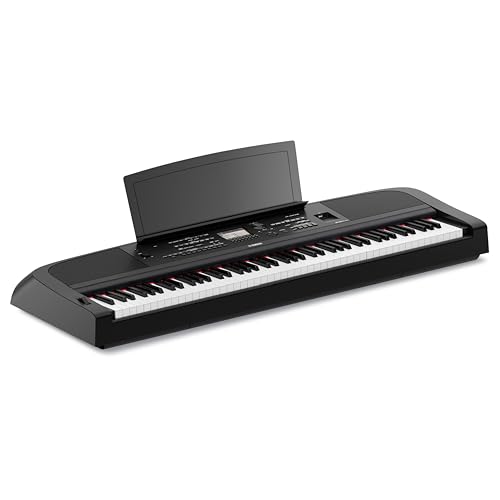
Acoustic Piano Touch: Weighted keyboard action is heavier in the low keys and lighter in the high keys - perfect for practice or playing for friends and family
Psychological Symptoms and Physical Responses

Hey there! Let’s chat about performance anxiety and how it can really shake things up for musicians. Even though performance anxiety is often hidden from view, the psychological symptoms can feel as loud as a siren in a quiet room! Musicians frequently wrestle with fears of being judged, catastrophic thoughts, and self-doubt that can hit them hard before a performance. Ever had your heart race right before you had to speak in public? That’s a classic sign of heightened anxiety.
Take Glenn Gould, for instance. He was a brilliantly talented pianist, yet he dealt with intense anxiety each time he performed. And he’s not alone! Many musicians experience physical symptoms like sweaty palms, shaky hands, and tense muscles—definitely not the kind of party guests anyone wants at their big moment. It’s estimated that over 60% of musicians deal with these issues, and those feelings can leave their minds in a fog, making it tough to focus. Anxiety really can act like a sneaky gremlin, messing with how well they perform. Managing anxiety through adjustable features can improve control and comfort during performances.
Coping Mechanisms and Preparation Strategies

You know, dealing with performance anxiety is something many classical pianists struggle with, but there are some effective strategies to help you manage it. The first step is all about preparation. If you really master your pieces and build some muscle memory, you’ll start feeling more confident as a performer.
One fun way to get ready for your big performance is by practicing in front of friends or family. It’s kind of like a mini-concert! This setup mimics the real experience and helps reduce those jitters you might feel when it’s showtime. Plus, visualization techniques are a great tool. Try to picture yourself playing your piece perfectly—how amazing would that feel?
Breathing exercises can also work wonders for calming your nerves. For instance, you can inhale for three counts, hold it for a moment, and then exhale slowly for six counts. This simple practice is a great way to soothe your nervous system.
After your performances, take a moment to reflect on what went well. Acknowledging your successes—even small ones—helps build resilience for the next time you face anxiety. So, with these techniques, you’ll be all set to approach your next recital with a lot more confidence! Ready to explore some warm-up routines? Let’s keep that momentum going!
Additionally, maintaining a consistent maintenance routine for your instrument can help prevent distractions due to technical issues during performances.
Recommended Products

Official LOVETUNER necklace is a revolutionary mindfulness tool, a single tone flute through which we can align ourselves with the 528hz frequency, the so called “Love Frequency”

Handheld stress relief breathing tool designed to calm the nervous system through guided rhythm, light, and vibration.

►[Breathing Lamp for Mindfulness]:Science verified,4-7-8 Calming breath/5-5 Balance breath/4-4-4-4 Box breath,With Speaker,Volume +/-,Visual Meditation tool for Anxiety Relief
The Role of Memory Management
Memory management is super important for classical pianists, especially when those pesky nerves kick in before a performance! You know how fear of forgetting notes can send anxiety levels sky-high? It can feel like a weight on your shoulders. So, what’s the solution? Pianists really need to take a good, close look at their pieces, almost like detectives solving a fun musical mystery!
One effective way to manage your memory is by pinpointing the key changes in the music. This creates strong mental anchors that help you hold onto melodies. For example, if you’re preparing a challenging piece, try breaking it down into smaller sections and associating each section with a visual image or story. Also, don’t underestimate the power of practicing with friends or mentors! Not only does it help reinforce what you’ve learned, it can also provide valuable feedback to ease your nerves.
Additionally, maintaining optimal conditions such as monitoring humidity levels can support the instrument’s tone and indirectly aid in a pianist’s memory cues through consistent sound quality and feel, as explained in the impact of humidity.
Importance of Meaning in Performance
Hey there! You know, every time a musician steps onto the stage, every note they play carries a story. That’s why meaning in performance is so crucial! In classical music, each passage isn’t just a sequence of notes; it’s a chance for the pianist to share real emotions. For example, when a performer plays a powerful piece like Beethoven’s “Moonlight Sonata,” they can draw listeners in by conveying the deep feelings embedded in the music.
Practicing with intention is key here. Think of it as getting to know a friend better; the more you understand the music’s structure, the richer your performance will be. It’s not only about nailing the right notes—it’s about infusing those notes with heart and spirit. When musicians connect emotionally with their music, those nerves and jitters can fade away.
And here’s the magic: when a pianist truly engages with the story of their music, it transforms the experience for the audience too. We feel what they’re feeling, creating this electric bond between the performer and the listeners. In this way, each performance becomes something memorable and touching. It’s fascinating how the right mix of intention and emotion can shape an unforgettable musical journey! Using precise pressure distribution techniques during instrument maintenance can also support a performer’s confidence by ensuring their instrument is in ideal condition.
Building Experience Through Regular Performance
Regular performances can really transform the experience for classical pianists! Think about it like athletes practicing for a big game. When musicians take every chance to perform, they get to practice being in front of an audience, which helps build their confidence. Plus, engaging in relaxed recitals with fellow pianists not only encourages collaboration but also creates a friendly environment. It’s a bit like having your own cheer squad there to support you while you play!
Sharing the stage with others gives pianists valuable feedback, which can drive their growth as musicians. For example, imagine playing a few pieces at a nearby café before stepping into a larger venue for a concert. Getting used to these smaller, casual settings helps build comfort and eases anxiety. Over time, that once-intimidating feeling of performing can shift to a more enjoyable experience, like jamming with friends rather than facing a high-pressure showdown!
These regular performance opportunities not only help pianists refine their skills but also prepare them to handle unexpected moments during a show. It’s all about taking those little steps to conquer nerves and enjoy the journey as they grow. And that’s where we can explore how these experiences shape an artist’s tonal versatility!
Separating Self-Worth From Performance Outcomes
You know how in sports, the scoreboard can sometimes overshadow the fun of the game? Well, that’s kind of what happens with performance outcomes in music, especially for classical pianists. Many of them link their self-worth to how well they play, which can really ramp up anxiety. Imagine if they shifted that perspective a bit. Instead of seeing mistakes as failures, they could view them as part of the learning process.
When musicians start to recognize that every performance is just a stepping stone in their artistic journey, it changes everything. For example, rather than stressing over slipping up on a note during a concert, they might focus on the overall emotion they want to convey. They could start embracing their unique sound, just like no two snowflakes are alike—no two performances will ever be the same! Maintaining regular checks of truss rod condition can serve as a helpful metaphor for musicians to regularly assess and maintain their mindset and emotional well-being to ensure optimal performance.
The Value of a Strong Support System
You know, having a strong support system can really make a difference for classical pianists dealing with performance anxiety. It’s amazing how much guidance a mentor can provide, helping you tackle those nerves with practical advice. And then there’s peer support—connecting with fellow musicians who understand your jitters can be so comforting. It’s like a little reminder that you’re not alone in this!
Being part of a community can create safe spaces where you can openly discuss your feelings, making the whole experience less isolating. For example, joining a local group where pianists regularly perform for each other can help you build confidence in a relaxed setting. It’s much like having rehearsal time with friends, where you’re free to be yourself without the pressure.
Additionally, understanding factors like wood quality and source of instruments can subtly contribute to a musician’s confidence by ensuring optimal sound and playability.
Embracing Failure as a Learning Opportunity
Hey there! So, you know how we all feel a bit anxious about making mistakes? Well, for pianists, embracing failure can actually be the secret sauce to discovering their true potential! Instead of panicking over a missed note, many successful pianists see those slip-ups as valuable learning moments.
When they open up about their mistakes with fellow musicians, it creates a supportive atmosphere that really helps everyone bounce back stronger. Imagine if every time you hit a wrong key, you took a moment to figure out what went wrong. It’s like having a mini coaching session with yourself! This way, you can spot areas that need a little extra work, which can seriously boost your confidence for the next performance. Using tools like a digital piano metronome can also help develop consistent timing, making those learning moments even more effective.
Developing a Healthy Mindset
Hey there! You know, having confidence and staying positive is super important for musicians as they grow in their craft. When it comes to developing a healthy mindset, a key part is finding that intrinsic motivation. Rather than chasing after applause or external validation, try to focus on the sheer joy of playing music. Think about those moments when you lose yourself in a song—that’s where the magic happens and it can really help ease some of that performance stress!
And hey, let’s talk about artistic subjectivity for a moment. Music is all about personal interpretation, and that’s what makes it so rich and interesting. You might play a piece and your friend hears it completely differently. So, it’s okay if not everyone loves what you do! Just focus on the feedback that uplifts you—those encouraging words can really give you a confidence boost.
Also, let’s take a moment to chat about perfection. Picture this: every musician makes mistakes, and instead of seeing them as failures, view them as stepping stones on your journey. For example, if you hit a wrong note during a performance, remember that it’s just a part of learning. Celebrate your progress, no matter how small it seems! Each tiny win, like mastering a tricky passage or feeling more at ease on stage, is worth acknowledging. By keeping this mindset, you’ll find more joy in your performances, making your musical journey feel all the more rewarding!
Additionally, incorporating tools like a velocity-sensitive keyboard can enhance your expressive playing and deepen your connection to the music.
Long-Term Strategies for Overcoming Anxiety
You know, finding joy in music is such an important piece of the puzzle for classical pianists, but let’s not forget about managing that pesky performance anxiety. It’s just as crucial for long-term success! One really helpful tip is to schedule regular low-stakes performances, like playing a few pieces for friends or family. It’s like having a mini rehearsal for when the spotlight is really on. You might even try playing at a local coffee shop!
Another thing that can work wonders is incorporating some breathing techniques. When you feel those nerves kicking in, take a deep breath in, hold it for a second, and then slowly let it out. It’s amazing how something so simple can help calm your mind.
Visualization exercises can also make a big difference. Picture yourself nailing that piece—see every note, hear the music, feel the joy! It can really help boost your confidence before the real performance.
Joining a music community can provide a lot of support and encouragement. Whether it’s a local group or an online forum, having a crew of fellow musicians cheering you on can lift your spirits. And if you find that your anxiety is really getting in the way, consider chatting with a therapist or a performance coach. They can give you personalized strategies to tackle those jitters. Just remember, it’s all part of the journey, and with a little practice, you really can overcome it. Ready to dive into some more techniques?
Recommended Products

Ultimate 3 in 1 Solution for Mindful Breathing - Rainlax, the 3-in-1 meditation accessories that combines a breathing light, night light, and noise machine all in one sleek design! With just a few minutes of daily use, this breathing tool can help you reduce stress, increase focus, boost productivity, and achieve a deep, restful sleep at night. Promoting mindfulness, it's the perfect way to improve your overall health and wellness.
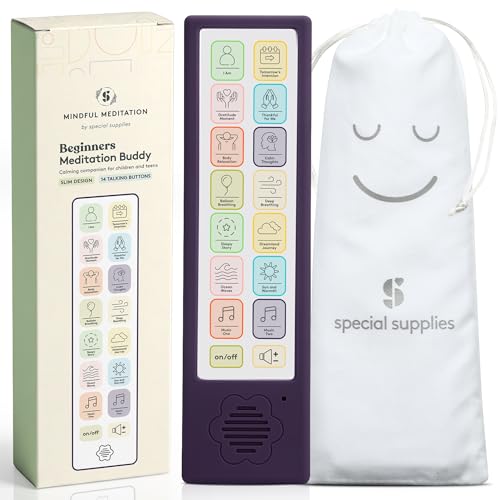
Screen-Free Mindfulness Tool – Enjoy guided meditation, calm breathing, and daily mindfulness without apps, phones, or distractions. Perfect for stress relief, anxiety relief, and focus.

Frequently Asked Questions
Recommended Products

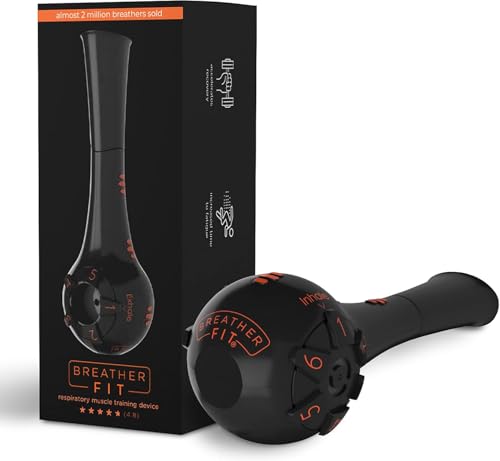
Enhance Lung Strength & Breathing Endurance: Take your respiratory health to the next level with The Breather Fit Respiratory Trainer. Designed to increase lung capacity, strengthen diaphragm muscles, and improve overall breathing efficiency, this lung training device is ideal for anyone looking to boost stamina, endurance, and oxygen intake.

Dual-Mode IMT & PEP Training – Strengthens respiratory muscles with inspiratory and expiratory resistance; ideal for lung rehabilitation and daily respiratory health
What Specific Techniques Can Help Calm Nerves Before a Performance?
Q: What breathing exercises can help calm nerves before a performance?
A: Deep breathing exercises, such as diaphragmatic breathing, can significantly reduce anxiety. Inhale deeply through your nose, hold for a few seconds, then exhale slowly through your mouth.
*Tip: Practice this technique for a few minutes in a quiet space to help ground yourself.*
Q: How do visualization techniques work for calming nerves?
A: Visualization involves imagining yourself successfully performing on stage, which can boost confidence and decrease anxiety. Picture each detail vividly, from the venue to the audience’s reactions.
*Tip: Set aside time before your performance to visualize every step of your routine, ensuring you’re mentally prepared.*
Q: What are some effective warm-up routines?
A: Engaging in physical warm-ups helps release tension and increases focus. Activities like stretching or light exercises prepare both your body and mind for the performance.
*Tip: Consider a consistent warm-up routine before each performance to create a sense of familiarity and comfort.*
How Can I Identify My Personal Anxiety Triggers?
Q: How can I identify my personal anxiety triggers?
A: Start by engaging in self-reflection to explore your emotions and thoughts during anxious moments. Additionally, increase your awareness of anxiety symptoms to recognize when your anxiety is heightened.
*Tip: Keep a journal to track your feelings and thoughts around anxiety-provoking situations for better insight.*
Q: Why is evaluating past performance history important?
A: Evaluating your past performance history allows you to identify patterns that may cause anxiety. By reflecting on specific events, you can pinpoint circumstances that consistently trigger your anxiety.
*Caveat: Be mindful that past experiences don’t define your future; use them as a learning tool rather than a source of discouragement.*
Are There Any Diets or Supplements That Reduce Performance Anxiety?
Q: What dietary strategies can help reduce performance anxiety?
A: Incorporating herbal remedies like ashwagandha and nutritional supplements, such as magnesium and omega-3 fatty acids, may promote relaxation and support mental well-being for those facing stress. These nutrients can help stabilize mood and reduce anxiety.
*Tip: Consult with a healthcare professional before starting any new supplements to ensure they are appropriate for you.*
Q: How do these supplements work in reducing performance anxiety?
A: Ashwagandha is known for its adaptogenic properties that help the body manage stress, while magnesium plays a role in nerve function and mood regulation. Omega-3 fatty acids can contribute to brain health and improving mood.
*Caveat: Results may vary from person to person, and these supplements should not replace traditional therapies for anxiety.*
Can Mindfulness or Meditation Specifically Help Pianists With Anxiety?
Q: How common is performance anxiety among musicians?
A: Studies show that approximately 70% of musicians experience performance anxiety. This high percentage highlights the challenges many musicians face when performing in front of an audience.
Q: Can mindfulness or meditation help reduce anxiety for pianists?
A: Yes, mindfulness practices and meditation can significantly reduce anxiety among pianists. These techniques help improve focus, manage stress, and enhance overall emotional well-being during performances.
*Tip: Start with short daily meditation sessions to gradually build your comfort with the practice.*
Q: How does mindfulness affect performance outcomes?
A: Incorporating mindfulness into practice routines can lead to improved performance outcomes by fostering a sense of calm and control. Pianists may find they are better equipped to handle the pressures of stage performance.
*Caveat: Results may vary from person to person; consistent practice is key to seeing benefits.*
Q: What is a practical way for pianists to incorporate mindfulness into their routine?
A: Pianists can incorporate mindfulness by dedicating a few minutes before practice or performances to deep breathing exercises. This simple practice can help center their thoughts and reduce pre-performance jitters.
*Tip: Create a pre-performance ritual that includes mindfulness to help ease tension and set a positive mindset.*
How Do Different Performance Environments Affect Anxiety Levels?
Q: How do solo performances impact anxiety levels?
A: Solo performances generally lead to heightened anxiety due to the increased pressure on the individual performer. The absence of support from a group can make them feel more vulnerable.
*Tip: Practicing mindfulness techniques before a solo performance can help manage anxiety.*
Q: What happens to anxiety levels with larger audience sizes?
A: Larger audience sizes can amplify anxiety responses, as performers might feel more scrutinized. The fear of judgment can escalate stress levels significantly.
*Caveat: While some thrive in front of larger crowds, others may find it overwhelming; understanding your comfort zone is crucial.*
Q: How do familiar practice environments affect anxiety?
A: Familiar practice environments tend to reduce anxiety by providing a sense of security and comfort. In these settings, performers often feel more relaxed and capable.
*Tip: Regularly rehearsing in the same environment can build confidence and ease nerves for actual performances.*


