As an Amazon Associate, we earn from qualifying purchases. Some links on this site are affiliate links at no extra cost to you. Our recommendations are based on thorough research and editorial judgment.


How Long Should You Practice Piano Each Day

Are you wondering how long you should practice piano each day to improve your skills?
You may be interested
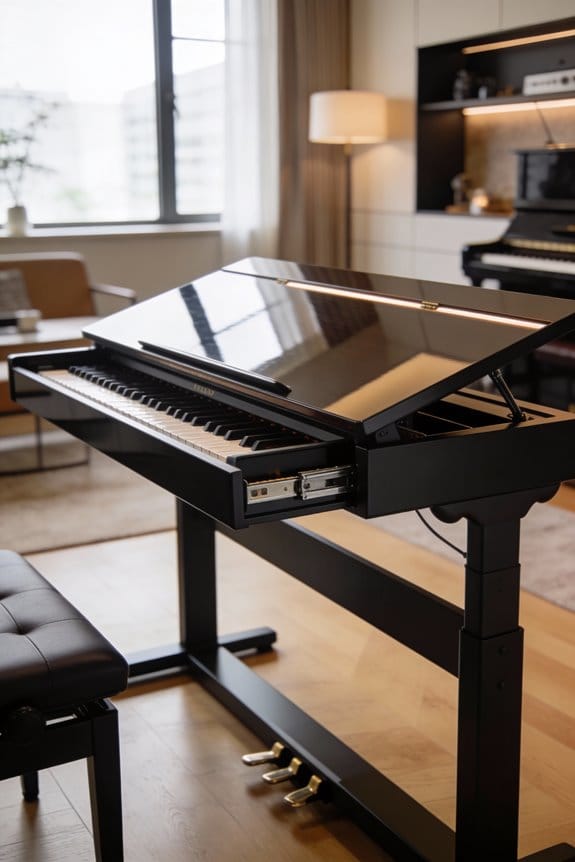


Whether you’re a beginner just starting your musical journey or an advanced player looking to refine your technique, understanding the right practice durations can make all the difference.
This guide will illuminate recommended practice times based on your skill level, from 15-45 minutes for novices to 1-2 hours for advanced musicians.
You’ll also learn the importance of consistency and goal-setting in your practice routine, ensuring that your time at the piano is not just productive but also enjoyable.
Ready to dive in and elevate your piano playing? Let’s explore some valuable tips together!
Key Takeaways
- Beginners should practice for 15 to 45 minutes, focusing on foundational skills to build a strong base.
- Intermediate players should aim for 45 minutes to 1 hour for consistent improvements in their playing.
- Advanced practitioners benefit from 1 to 2 hours of focused practice to tackle complex pieces effectively.
- Expert players often require 3 hours or more of daily practice to prepare for competitions or performances.
- Short, consistent daily sessions are more impactful than longer, aimless practices and promote muscle memory development.
The Quick Answer

Hey there! When it comes to practicing piano, every musician’s journey is unique and that’s part of the fun. For beginners, aiming for just 15 to 45 minutes of daily practice is a sweet spot. It helps you get comfortable with the keys and builds a solid foundation. Imagine spending those first few weeks just getting to know your scales and basic chords—that little bit of time really pays off!
Once you hit that intermediate level, most pianists find that 45 minutes to an hour is just right for steady improvement. You might want to focus on trying out some new pieces or techniques. For instance, you could challenge yourself to learn a new song each week during this time.
Now, if you’re feeling like a pro and eager to tackle more complex pieces, advanced pianists typically practice between 1 to 2 hours a day. And if you’re eyeing a big performance or competition, expert players can spend 3 hours or more! It’s all about how committed you are to your goals. Practicing on a digital piano with graded hammer action keys can greatly enhance your technique by simulating the feel of an acoustic piano.
Quantity vs. Quality

Hey there! You know, practicing piano isn’t just about how many hours you can put in at the keyboard; it’s really about the quality of your practice. Think of it like this: if you spend 30 minutes practicing with a clear goal—say, mastering a particular scale—that can be way more beneficial than an hour spent just going through the motions without any direction.
When musicians set specific targets—like working on tricky sections of a piece—they make every minute more productive. For example, if you focus on that one tough passage for 15 minutes each day, you’ll notice it gets easier. Plus, sticking to a routine, even if it’s short, helps build muscle memory. Just like choosing the right piano fallboard hinges is essential for smooth operation and durability, focusing on quality practice ensures optimal progress at the piano.
Recommended Products
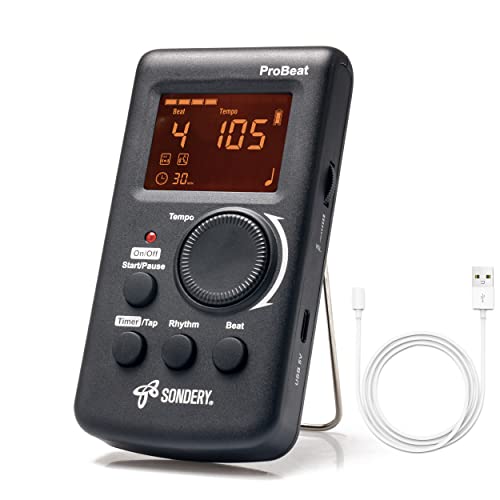
Direct and fast setting of beat, tempo, rhythm by buttons and knobs. Easily reading color screen helps a lot to understand what you want out of your Sondery brand ProBeat digital metronome.

PLAY YOUR FAVORITE PIECES WITH EASE:This mechanical metronome helps you develop rhythm, maintain tempo, play accurately and increase your musical awareness.

🎵[Modern and Classic Design] : SDREAM Digital Metronome with LCD display makes practice much easier.This Electronic metronome retains the classic pyramid-shaped design while incorporating elements of modern style. It not only inherits the classic appearance but also improves its precision and ease of use. Moreover, they are durable.
Consistency

You know, building a consistent practice routine is really one of the keys to piano success! It’s all about making sure you practice every day, even if it’s just for a quick ten minutes. Believe it or not, those short, regular sessions can help you make more progress than practicing for hours once a week.
Try to pick a specific time every day to sit down at the piano. Maybe you could do it right after school or just before dinner. By sticking to a schedule like this, you’ll develop a habit that not only helps with muscle memory but also makes practicing a part of your daily routine.
Think about it—when you practice for a little bit every day, it feels less like a chore and more like fun! For example, you could focus on mastering a new song for a few days or just spend time working on your scales. Whatever you choose, making it a regular part of your day will help you improve over time. So, go ahead and commit to that daily practice, and trust me, your future self will really appreciate the effort! Using a piano with weighted keys can enhance your technique and make daily practice more effective.
Recommended Products

🎹 【Full-Weighted 88 key keyboard】The digital electric piano is constructed by 88 full-sized hammer action keys with adjustable touch response. This 88-key weighted keyboard allows to adjust your desired playing style.

Outstanding Sound Quality: Immerse yourself in the exceptional sound quality delivered by our digital piano, powered by the renowned French Dream5704 sound chip. The sound resonates with depth and emotion, creating a truly immersive musical experience. Choose from 8 distinct tones and explore a library of 40 demo songs that provide ample room for creativity and skill improvement.

SUPERIOR PLAYING EXPERIENCE: 88-key fully-weighted keyboard, 16-level touch sensitivity for authentic piano feel. Effortless control over dynamics for a better playing experience
Repertoire
Hey there! Let’s talk about repertoire for piano practice—it’s not just about playing songs, it’s about opening up a world of musical experiences! When you explore different pieces, you not only make practice more fun, but you also enrich your learning and develop a deeper understanding of music as a whole. I mean, imagine jumping from a classical piece to a jazzy tune; that variety can really boost your skills!
Now, here’s a tip: to get the most out of your practice, focus on mastering a piece. Set aside time each day to play it, and you’ll start building muscle memory, which basically means your fingers remember what to do without you even thinking about it. Just make sure you pick pieces that match your skill level. If you tackle something too challenging without the right preparation, you might end up feeling a bit overwhelmed!
Setting specific goals can really help keep you on track. For example, if you have a recital coming up, try to create a practice plan that parts out your time between different pieces leading up to the big day. This keeps your mind engaged and your progress visible. So, are you ready to jump into your musical journey? Grab that sheet music, and let’s make music together! Using an electric keyboard with weighted and touch-sensitive keys can enhance your practice experience by providing a more authentic piano feel.
Recommended Products


Energy
You know, energy really makes a difference in how effective a piano practice session can be! When you’ve had a good night’s sleep and you’re feeling alert, your time at the piano can be super productive. Imagine trying to tackle a complex piece by Mozart while you’re half-asleep—definitely not ideal!
To keep your energy up, getting enough rest and eating well is crucial. Think about it: a balanced breakfast, like oatmeal or eggs, can really set the tone for your day. And don’t forget about exercise! Even just a brisk walk for 20 minutes or a fun dance session can boost your stamina, making those longer practice hours feel more manageable.
Also, we all have our sweet spots when it comes to focus. Are you more alert in the morning or do you come alive at night? Figuring out your peak energy times can turn piano practice from a chore into something you actually look forward to. So, why not try setting a routine that aligns with when you feel most energized? You’ll likely see your skills improve as you get into that groove!
Maintaining your instrument’s condition with proper care tools, like precise pressure distribution clamps, can also create a more enjoyable and efficient practice environment.
Goals
Setting goals for piano practice is such an essential step for making the most out of your time at the piano! When you have specific goals, it helps shape a clear practice routine. For someone just enjoying piano casually, even dedicating just 30 minutes a day can be enough. On the flip side, if you’re serious about your piano playing, you might find yourself putting in as much as 4 hours some days! It’s pretty interesting how there’s such a range, isn’t it?
Think about what you want to achieve. If you’re preparing for a performance, having that objective can really ramp up the intensity and make your practice sessions more engaging. And you know what’s motivating? Tracking your progress! It’s like checking off little milestones—you feel accomplished each time you reach another step closer to your long-term goals. For instance, maybe you aim to master a new song or improve your scales by a certain date.
Plus, understanding what drives you to play is crucial. This can really affect how much time you decide to spend practicing. If you love playing for friends, that might spark you to practice more frequently before a get-together. It’s all about finding what fuels your passion! Speaking of passion, let’s explore ways to keep that motivation alive during your practice.
Creating a comfortable and organized practice environment, including using a music studio desk designed for ergonomic comfort and efficient workflow, can significantly enhance your focus and productivity during practice sessions.
Rest and Recovery
Hey there! So, let’s talk about something super important that often gets overlooked when practicing piano: rest and recovery. Even if you’re putting in a lot of time at the keyboard, taking breaks is just as crucial to improving your skills. Picture this: after about 30 to 45 minutes of really focused practice, a short break can do wonders for your brain.
Why’s that? Well, it gives your mind a chance to process everything you’ve worked on, helping those new skills stick better. Plus, we all want to avoid injuries like tendonitis, right? If you start feeling any discomfort, that’s your body begging for a break! Try stepping away for 5 to 10 minutes every hour—you’ll find that it actually boosts your concentration and makes your practice sessions much more effective. Incorporating regular maintenance habits into your routine can also enhance your piano’s performance and your playing experience through proper action regulation.
Recommended Products

Enhanced Design Upgrade – The SQ-50-V improves on the classic SQ50 with a sleek new look, upgraded interface, and even easier operation for musicians of all levels.


SATISFACTION GUARANTEE:30-day unconditional returns and 5-year manufacturer product warranty
Enjoyment in Practice
Hey there! You know, while a lot of pianists get super serious about their practice, I think it’s really important to enjoy the journey. Finding joy in your practice can totally change the game! When you’re having fun, it boosts your motivation and makes you want to sit down at the piano every day. Instead of viewing practice as a boring chore, try to see it as a fun exploration. Imagine playing around with different songs you love—sounds way more exciting, right?
Pianists who really connect with their music often have more fulfilling practice sessions. For example, if you enjoy pop music, why not experiment with a few of your favorite hits? This way, you can improve your skills while having a blast! It’s much easier to tackle tough exercises when you’re mixing them up with tunes you actually enjoy, like jamming to a catchy melody. So, focus on making your practice time joyful because, at the end of the day, music is all about enjoyment!
And remember, when you approach the piano with a sense of joy, you’re not just learning; you’re building a love for playing that will stick with you for a long time. So, let’s talk about how to keep that excitement alive in your daily routine! Additionally, incorporating ergonomic features into your playing setup can greatly enhance comfort and prevent strain during practice.
Recommended Products

Lightweight and easy to assemble: Liquid Stands’ bench is lightweight at 14 pounds and easy to assemble. You can easily carry it between gigs or break it down between sessions for transport or storage.

COMFORTABLE PADDED BACKREST - The OUKMIC keyboard stand bench with ergonomic soft backrest keeps you comfortable during long hours of playing. The piano stool with thickened high-density sponge cushion seat provides excellent support and comfort, while premium leather surfaces being water and stain resistant and easy to care for
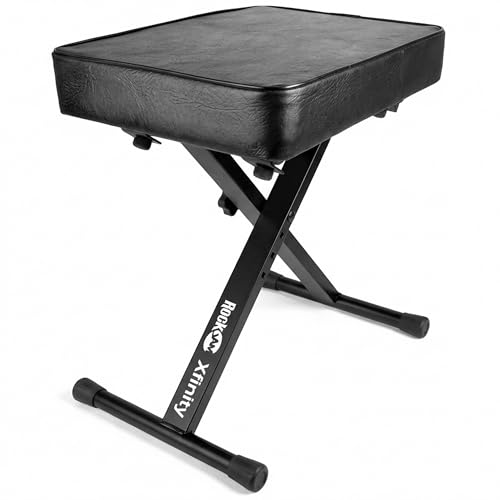
Padded piano bench: thick cushioned seat for comfortable practice sessions of any length.
Frequently Asked Questions
What Is the 80 20 Rule in Piano?
Q: What is the 80/20 rule in piano?
A: The 80/20 rule in piano suggests that 20% of your practice efforts produce about 80% of your results. By identifying and focusing on the most impactful aspects of your practice, you can maximize your progress.
*Tip: Regularly reassess which techniques or pieces yield the greatest improvement and adjust your practice focus accordingly.*
Q: How can I improve my practice efficiency using this rule?
A: To improve practice efficiency, set targeted goals and prioritize the challenging pieces from your repertoire. Concentrating on these key areas helps accelerate skill development and time management.
*Caveat: Avoid neglecting fundamental skills; they are the foundation for tackling more complex pieces.*
Q: What should I focus on during practice sessions?
A: During practice sessions, concentrate on techniques and pieces that yield significant advancements in your playing. This selective practice helps streamline your learning process.
*Tip: Keep a practice journal to track which techniques are most effective over time, allowing you to adjust your focus as needed.*
Q: How can I measure the effectiveness of my practice?
A: You can measure the effectiveness of your practice by noting your progress on specific techniques and pieces over time. Regularly assessing your skill level will help you determine which areas are yielding the best results.
*Caveat: Don’t rely solely on subjective feelings; record your progress through audio/video or performance assessments for a more objective evaluation.*
Is a 30 Minute Music Lesson Enough?
Q: Is a 30-minute music lesson effective for all students?
A: A 30-minute lesson can be beneficial for beginners, as it helps in maintaining motivation and focus. However, it might not be long enough for substantial skill improvement, and many teachers recommend longer sessions for greater advancement.
*Tip: Consider pairing shorter lessons with daily practice to maximize progress.*
Q: What are the advantages of a 30-minute lesson?
A: Shorter lessons can help keep students engaged and prevent burnout, especially in the early stages of learning. They also allow for quickly addressing specific skills or concepts without overwhelming the student.
*Caveat: Ensure that students have a solid practice schedule outside of lessons to reinforce what they learn.*
Q: How does the length of lessons impact skill development?
A: Skill improvement generally requires more time for instruction, practice, and feedback. While 30 minutes can cover basics, longer lessons allow for deeper exploration and mastery of complex skills.
*Tip: If longer lessons aren’t feasible, supplement with regular, focused practice sessions at home.*
Q: Should all students start with 30-minute lessons?
A: While 30-minute lessons may suit beginners, some students, especially those with prior experience, might benefit from longer lessons to enhance their learning. It’s essential to tailor lesson lengths to the individual needs and goals of each student.
*Caveat: Regular assessments can help determine whether to adjust lesson durations based on the student’s progress.*
How Many Hours a Day Did Chopin Practice?
Q: How many hours a day did Chopin practice?
A: In his youth, Chopin practiced for about 3 to 4 hours daily. This increased to over 5 hours when he was preparing for performances. Practicing consistently is important for skill development, but remember to balance it with rest to avoid burnout.
Q: What was Chopin’s practice technique?
A: Chopin’s techniques combined mastery of skills with creative inspiration, fostering both discipline and expression in his routine. It’s beneficial to incorporate a variety of exercises and pieces in your practice to keep it engaging. Aim for structured practice sessions that target both technical and artistic elements.
How Many Hours a Day Should You Practice?
Q: How much practice should beginners do daily?
A: Beginners are advised to practice for 10-45 minutes each day. This duration allows for tracking progress without overwhelming them.
*Tip: Start with shorter sessions and gradually increase the time as you build your confidence and skills.*
Q: How can I maintain a consistent practice routine?
A: Scheduling practice sessions and using motivation techniques can help maintain consistency. Breaking sessions into manageable chunks can also reduce frustration.
*Caveat: Be flexible with your schedule; if you miss a session, don’t be discouraged—just get back on track the next day.*
Q: What strategies can help with improvement over time?
A: To ensure consistent improvement, focus on specific goals during each practice session. Regularly reviewing progress can also provide motivation and insights into areas needing attention.
*Tip: Keep a journal of your practice to monitor growth and celebrate milestones.*


