As an Amazon Associate, we earn from qualifying purchases. Some links on this site are affiliate links at no extra cost to you. Our recommendations are based on thorough research and editorial judgment.


What Is the Difference Between Legato and Staccato Playing

Are you ready to elevate your musical expression?
You may be interested



Understanding the difference between legato and staccato playing is essential for any musician looking to convey emotion effectively. Legato allows you to create a seamless flow of notes, much like a gentle stream without interruptions, while staccato introduces a punchy, energetic quality, akin to a lively puppy bouncing around.
In this guide, you’ll learn how to master these two fundamental techniques, enhancing your performance and bringing your music to life.
Whether you’re a beginner or an experienced player, discovering the unique attributes of legato and staccato will open new doors to your musical journey!
Key Takeaways
- Legato creates a smooth, connected flow of notes, while staccato features crisp, detached notes with distinct pauses.
- Legato is visually represented by slurs, whereas staccato is indicated by a dot above or below the note.
- Techniques for legato emphasize relaxed transitions, while staccato focuses on muted notes and synchronized hand movements.
- Emotionally, legato conveys fluidity and richness, while staccato introduces excitement and sharpness in musical expressions.
- Practicing both techniques enhances musical character, enabling effective transitions and a dynamic listening experience.
Understanding Legato: Definition and Characteristics

Legato is such a fascinating technique in music! Basically, it turns separate notes into a seamless flow, much like a gentle stream of water. When you’re playing legato, you’re connecting notes smoothly, making sure there’s no silence in between—they’re all hugging each other, creating a warm sound.
If you want to get the hang of playing legato, a great tip is to start with scales or simple chord patterns. Just take it slow at first! By focusing on the connection between the notes, you’ll naturally reduce those awkward pauses. And don’t forget to stretch and relax your fingers; it’s kind of like warming up before a fun dance!
You’ll notice that legato isn’t always marked in written music, so keep your eyes peeled for it. It adds so much character to pieces you play. Next time you’re working through a song, listen for those legato moments—they really do make the melody come alive! Now, let’s explore how to incorporate legato into different musical styles. Using ergonomic and adjustable techniques can help you maintain comfort and fluidity when practicing legato for extended periods, especially on string instruments with a suitable violin shoulder rest.
Recommended Products

Solid maple Body and neck with figured Maple top

Solid maple Body and neck with figured Maple top

Exploring Staccato: Definition and Characteristics

Hey there! Let’s chat about staccato in music—it’s like adding a zesty kick to your favorite dish! Staccato refers to a playful way of playing notes that are crisp and detached from each other. When you see a dot above or below a note, that’s your signal to play it short and distinct, creating those delightful pauses that really make a piece pop.
Think about it this way: when you play staccato, you can almost feel the rhythm bouncing along. For instance, when a violinist plays a lively piece, they might use staccato to make the music skip and jump, adding excitement to the performance. And if they go for extreme staccato, known as staccatissimo, those notes become even shorter and snappier!
What’s cool is that to achieve this sharp sound, musicians lift their fingers off the strings or lightly touch them as they play. Mastering staccato helps musicians create clarity and funky grooves, making performances super engaging. So, next time you listen to a piece, pay attention to those staccato notes—they’re what give the music its vibrant energy! Proper posture and comfort, such as using adjustable leather straps, can also enhance a musician’s ability to execute staccato passages effectively.
Techniques for Achieving Legato

Achieving legato in your music can really elevate your playing, and it’s a fun journey for any musician! Basically, legato means that you want each note to flow smoothly into the next without any gaps, almost like giving each note a gentle handshake.
To get there, start with some legato exercises like scales or arpeggios, but take it slow. This way, you can catch any moments where you might accidentally cut off a note too early—that can really break the flow! Try playing a simple C major scale and focus on keeping each note connected.
Also, don’t underestimate the role of your fretting hand. If you’re feeling tense, your notes won’t sound smooth. Aim for a relaxed grip—imagine you’re lightly holding a bird. Lastly, when you shift from one note to another, practice doing it seamlessly. For instance, when moving from the G to the A note on the guitar, strive to do it without a pause.
Using a MIDI controller with velocity-sensitive keys can help you practice legato digitally by mimicking the smooth, connected dynamics of your playing.
With some regular practice, you’ll start to notice that gorgeous legato sound blooming in your playing! How about we explore some specific exercises to help you get there even faster?
Recommended Products

🎸STANDOUT ORANGE & USB RECHARGEABLE: Featuring a striking vibrant orange design, this upgraded model completely eliminates the hassle of hunting for rare button cell batteries! Built with a long-lasting rechargeable battery and included USB cable, it ensures a seamless, frustration-free setup. Plug in, power up, and practice immediately


Techniques for Developing Staccato Sound
Hey there! You know, creating crisp, clear notes with a staccato sound can be such an exciting challenge for any musician. The secret lies in mastering those muting techniques! When you lightly touch the string right after plucking it, you’re essentially stopping the vibration, which gives each note that punchy feel.
To really nail this, you’ll want to get both your fretting hand and plucking hand in sync. A great exercise is practicing short, detached notes on scales—this helps build muscle memory for that staccato sound. If you’re up for it, try jamming to some familiar basslines; it’s a fun way to see how articulation changes the vibe of the music dramatically.
As you practice consistently, you’ll notice you gain better control over how long each note rings out. Remember, staccato isn’t just something technical; it’s all about finding that perfect balance between sound and silence. So, what’s the next thing you want to explore in your musical journey? Enhancing your sound with active electronics can further improve the clarity and punch of your playing.
Recommended Products

Product Type: Instrument Parts And Accessories

Notation Differences: Legato vs. Staccato
Hey there! So, let’s chat about music notation, specifically legato and staccato. Understanding the differences between these two is super important for musicians who want to communicate their performances clearly. Legato is all about that smooth flow between notes—imagine gliding along a path without any bumps. It’s like giving your music a warm and cozy hug!
Now, staccato is a whole different vibe. When you see a little dot above or below the note, that tells you to play it with a little bounce, kind of like hopping from stone to stone across a river. It’s all about creating a distinct space between each note. And then there’s the tenuto mark, which looks like a horizontal line. This one means to hold a note for its full value, not rushing it at all.
Understanding these notations can really help musicians get their intended style across. So, imagine performing a lovely legato piece, only to accidentally play it as staccato gallops—yikes! Being able to read and interpret these nuances makes all the difference in conveying the right emotion in your music. Ready to explore more about notation and performance? Let’s keep going! Regular maintenance of the bow, including rehairing frequency, plays a crucial role in producing the intended sound quality and articulation.
The Role of Legato in Musical Expression
Hey there! You know, legato is such an interesting concept in music. It’s all about connecting notes smoothly, which really makes a piece of music come alive. Think of it as the way a gentle breeze moves through the trees—every note blends into the next without interruption, creating a beautiful flow.
When musicians use legato, they can really convey emotions. For instance, in a romantic piece, bending notes seamlessly can evoke feelings of longing or joy in the listener. It’s like painting a picture with sound; the connections between notes are what bring the entire masterpiece to life.
And practicing legato can be super rewarding! Simply working on scales while focusing on keeping the notes connected allows musicians to develop a richer tone. It’s like making a perfect sauce for your pasta; you want all the ingredients to blend together well, or it just won’t taste right. Using precision adjustment mechanisms can help musicians fine-tune their sound for a more expressive performance.
The Role of Staccato in Musical Expression
Staccato is like the burst of confetti you see at a party—it really brings music to life! It creates a unique rhythmic effect by making notes sound short and detached, which is a fun contrast to the smooth, flowing style we hear in legato. Think of it as a way to inject excitement into a melody.
When you play a musical phrase, adding staccato can completely change its vibe. For example, in a lively tune, you might use staccato notes to add a playful bounce, drawing your listeners in with those little surprises. You can recognize staccato notes by their dot above or below them. This tells you to play each note quickly, almost like you’re teasing a punchline in a joke—you want the listener to anticipate what comes next!
To nail staccato, practice with both your picking and fingering techniques to ensure those notes are clear and sharp. You might try playing a familiar song like “Twinkle, Twinkle, Little Star” but alternating between legato and staccato to hear how it changes the feel. Adding staccato is a great way to spice up your music and captivate your audience’s attention. So, are you ready to experiment with this lively technique in your next practice session? Using tools like acoustic guitar preamps can also greatly enhance the clarity and presence of your staccato notes during performances.
Combining Legato and Staccato in Performance
You know, music is a lot like painting – it’s all about using different techniques to create something beautiful! When it comes to combining legato and staccato, it really adds a unique flavor to a performance. Think about it: legato gives those smooth, flowing phrases, while staccato pops in with sharp, lively accents. It’s a fantastic way to push the emotions of the piece higher.
For instance, you might have a section where you’re playing long, drawn-out notes, embracing that legato feel, and then suddenly switch to quick, snappy staccato notes. That contrast can grab the listener’s attention! As you practice, work on transitioning between these two styles – it’ll really make your playing sound more polished and expressive.
Don’t hesitate to listen to some great recordings that highlight this mix. You’ll notice how some artists use legato to create a beautiful melody and then surprise you with staccato notes that add excitement. It’s worth exploring this blend in your next practice session! Speaking of practice, let’s talk about how to master the transitions between these techniques effectively.
Using a piano with graded hammer action keys can help you better achieve the nuances required for legato and staccato playing because of its realistic response and sensitivity.
Recommended Products

Two super-clear OLED displays for on-stage clarity, seamless transitions when changing programs/sounds, extended Split functionality with optional crossfade, and the addition of the new Song List Mode

88 Natural Wood keys with Synthetic Ebony and Ivory Key Tops and Graded Hammer (GH3) Action

The VPC1 has been developed for one thing and one thing only: to deliver the finest virtual piano playing experience - bar none
Practical Exercises for Mastering Articulation Techniques
Hey! If you’re looking to master articulation techniques, you’re in for a treat with some fun exercises. First off, try practicing scales at a slow pace. This gives you the chance to ensure that each note is clear, which is key for achieving that smooth legato sound. Take your time with it; rushing won’t help you here!
Now, when you’re working on staccato, focus on your finger placement. Make sure to press down on the strings firmly enough to stop the sound cleanly. This is super important because it sets the foundation for those short, detached notes. A great exercise is to play a scale where you alternate between legato and staccato, perhaps starting with legato on the first note, staccato on the next, and so on.
Don’t forget about using a metronome! It’s a great tool for keeping a consistent rhythm. This way, you can practice alternating between those smooth legato notes and punchy staccato ones without losing your groove.
If you’re feeling adventurous, why not try playing with different note lengths? This can change the feel of a phrase and help you discover new sounds. Another tip: record yourself during practice. It’s an eye-opener when you listen back and catch areas where you can improve.
Experimenting with different fretboard radius sizes can also influence your articulation and comfort while playing.
With a bit of patience and some breath control, you’ll find that mastering these techniques can actually be a lot of fun. Just make sure to keep practicing, and you’ll see your skills grow! What’s next on your practice list?
Recommended Products
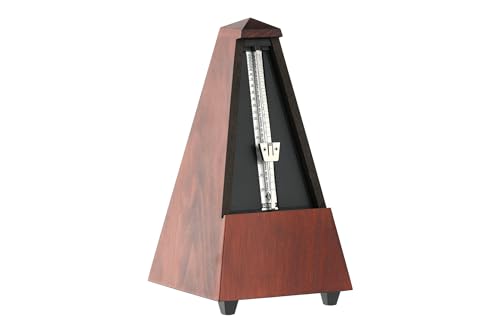
WITTNER Metronome System Maelzel
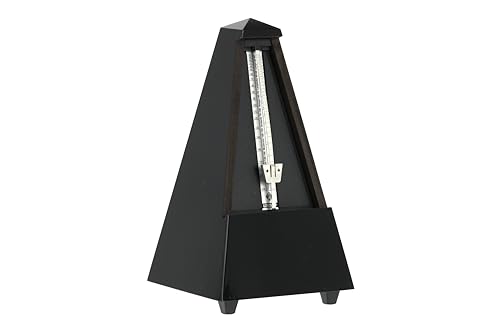
The Package Length of the Product is 23.4 centimeters

Mechanical pendulum metronome
Frequently Asked Questions
How to Tell if a Song Is Legato or Staccato?
Q: How can I tell if a song is legato?
A: A song is considered legato if the notes are played smoothly and connected, with minimal gaps between them. Listen for a flowing melody where each note transitions seamlessly into the next.
*Tip: Focus on vocal performances; singers often showcase legato passages effectively, highlighting their smoothness.*
Q: What are the characteristics of a staccato song?
A: A staccato song features notes that are short and detached, with noticeable gaps between them. The melody feels more punctuated and rhythmically distinct.
*Tip: Pay attention to instrumental pieces; staccato is often emphasized in brass or woodwind instruments where short notes are pronounced.*
How Is Legato Different From Staccato?
Q: How does legato differ from staccato?
A: Legato emphasizes smooth musical phrasing with connected notes, creating a flowing sound. In contrast, staccato features sharp, detached articulations for a more punctuated effect.
Tip: When practicing legato, focus on finger smoothness and breath control to maintain a seamless connection between notes. For staccato, ensure each note is clear and distinct, but be mindful not to overly shorten the notes, which can affect musicality.
What Does It Mean to Play Staccato?
Q: What does playing staccato mean?
A: Playing staccato involves executing musical notes with distinct, detached articulations, akin to a clock’s precision. This technique enhances the piece’s rhythmic structure and clarity.
Tip: Practice slowly to master the separation of notes before increasing your tempo.
—
Q: Why is staccato important in music?
A: Staccato adds a dynamic quality to musical pieces, allowing for a rhythmic variety that keeps the listener engaged. It emphasizes the individual notes and can create a lively atmosphere.
Caveat: Overusing staccato can make a piece sound choppy, so use it judiciously to maintain musical flow.
—
Q: How can I improve my staccato playing?
A: To improve staccato playing, focus on using precise finger movements and ensure each note is clearly articulated. Consistent practice with scales and exercises specifically designed for staccato can help build this skill.
Tip: Use a metronome to keep a steady tempo and ensure even note separation.
How to Play Staccato and Legato at the Same Time?
Q: How can I play staccato and legato at the same time?
A: To achieve this, practice legato techniques while also working on staccato exercises. Focus on making smooth transitions between legato and staccato notes, ensuring distinct articulation and maintaining a steady rhythm.
Tip: Start slowly to build coordination before increasing speed, as this helps reinforce control over both styles.


