As an Amazon Associate, we earn from qualifying purchases. Some links on this site are affiliate links at no extra cost to you. Our recommendations are based on thorough research and editorial judgment.


How to Create Your Own Piano Arrangements

Are you a music enthusiast eager to explore the world of piano arrangements? You’ve come to the right place!
You may be interested


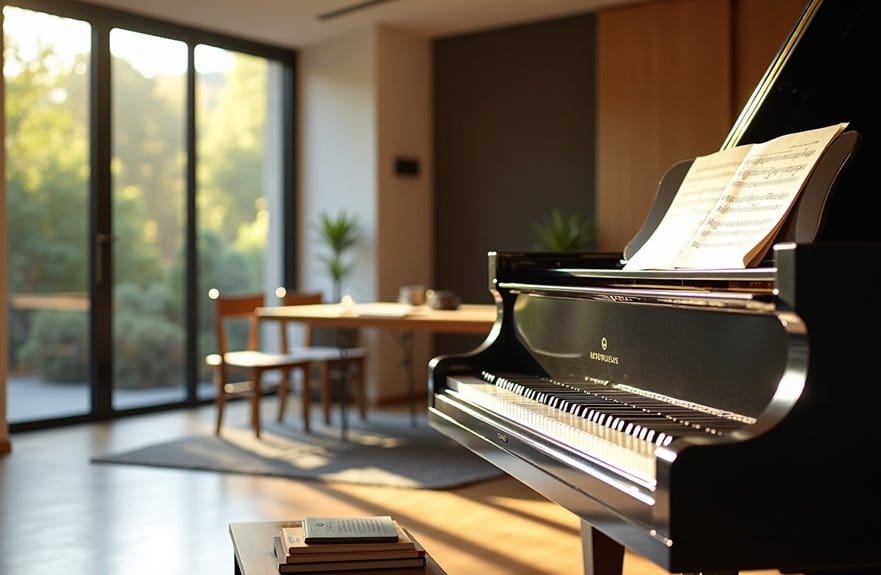
Creating your own piano arrangements is not just an art; it’s a journey of musical expression where you can craft your own masterpiece.
In this guide, you’ll learn how to start with a captivating melody, choose a style that resonates with you—whether jazzy or romantic—and build a solid harmonic foundation with basic chords.
You’ll also discover the importance of your left hand in setting the mood through enchanting patterns and how to add flair by reharmonizing your pieces.
Dive in, and let your creativity flow as you uncover the magic of crafting your unique musical expressions!
Key Takeaways
- Begin with a strong melody, using lead sheets to define the musical framework clearly and consistently.
- Establish a basic chord progression, experimenting with triads and inversions for rich harmonic support of the melody.
- Decide on the emotional style of your arrangement, selecting tempo and dynamics that enhance the intended feel.
- Utilize varied left-hand techniques, incorporating broken chords and block chords to create texture and depth in your arrangement.
- Embrace experimentation and seek feedback from communities to refine your music, fostering collaboration and growth.
Starting With a Strong Melody

Creating a piano arrangement is a lot like baking a cake—you really need that strong melody as your base! Think of the melody as the heart of the piece; it captures your listener’s attention and draws them in. To get started, make sure you either have the melody written down or have it memorized so you can play it smoothly without hesitation.
One handy tool is a lead sheet. It not only shows you the melody but also gives you the chord symbols, which can make your arrangement sound much fuller and more interesting. Start by playing the melody clearly and consistently—it’s important to do justice to the original tune!
And while it’s tempting to sprinkle in your own creative flair, remember to keep the essence of the melody intact. Finding that balance helps you develop your own musical ear while maintaining the song’s authenticity. For example, if you’re working on a classic tune, stick to the original melodic line but feel free to explore different chord voicings or rhythmic patterns. This approach keeps the heart of the song while allowing your personality to shine through.
Ready to get creative? Let’s explore how to build on that foundation with some interesting harmonies and textures! Additionally, having the right piano tuning tools, such as a tuning hammer, ensures your instrument sounds its best while you compose and arrange.
Deciding on a Style

Alright, so once you’ve got that catchy melody down, the next fun thing is picking a style that really brings out the song’s emotion! Think about whether it feels romantic, energetic, or maybe something more simplistic—like a minimalistic approach. The piano is super versatile, letting you tap into all kinds of genres, whether it’s jazz, classical, or pop.
When you’re deciding on your style, pay attention to the left-hand patterns you can use. For instance, if you want a dreamy vibe, broken chords can create that lush texture. On the other hand, if you want something punchy and upbeat, try using block chords.
And hey, don’t overlook dynamics and tempo! Playing around with how loud or soft you are—or the speed of the piece—definitely adds layers of interest. Think back to some of your favorite arrangements; what made them stand out? Use those ideas to guide your choices. Once you figure all that out, it’s going to feel great to see your piano come to life! What’s next on the agenda?
Also, just like choosing your arrangement style carefully, maintaining your piano with high-quality hammer components is key to ensuring your music sounds its best and your instrument stays responsive.
Recommended Products

The metal shaft is made of hard steel, abrasion resistance.

FINE TUNING HAMMER: Conveient to tune your kalimba. The hammer has shine & smooth surface, while it is easy and comfortable to grip on hand

Piano Tuning Kit: Includes 9 piano tuning tools: 1 x piano tuning wrench, 2 x rubber mute with hanle, 4 x rubber wedge mute, 1 x felt temperament strip and 1 x storage bag. Meet your tuning needs and help you tune piano in time
Mapping Out the Harmony

Mapping out the harmony in music is a bit like laying down train tracks—it’s super important for keeping everything on the right path! First off, you’ll want to pick a basic chord progression. You can grab one from a lead sheet or simply come up with one by ear. This gives you a solid base to work from!
Once you’ve got your progression, try using simple triads or even seventh chords with your left hand. They really help to enrich the harmony. For instance, if you start with a C major chord, you could try playing it in different inversions, like E-G-C or G-C-E. This can smooth out the transitions between chords and adds some nice flavor!
Don’t hesitate to play around with reharmonization! This means swapping out certain chords or adding in some colorful tones can really make a familiar song feel fresh again. Just keep in mind that any new chords should support the melody rather than steal the spotlight. It’s all about balance! So, as you play with these ideas, remember that exploring harmony can be a fun journey—just like hopping on a train for an exciting ride. Ready to explore more about melody next?
For an especially enriching experience, consider how the material selection of piano strings can affect the tonal warmth and clarity of your arrangements, enhancing the overall expression.
Recommended Products

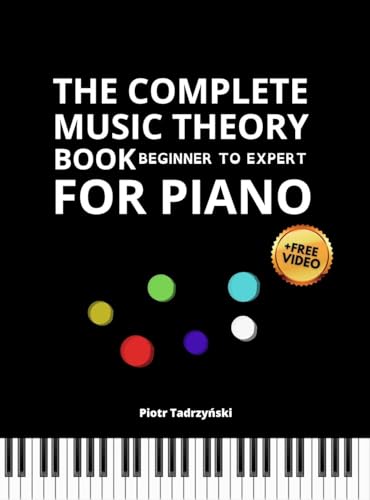
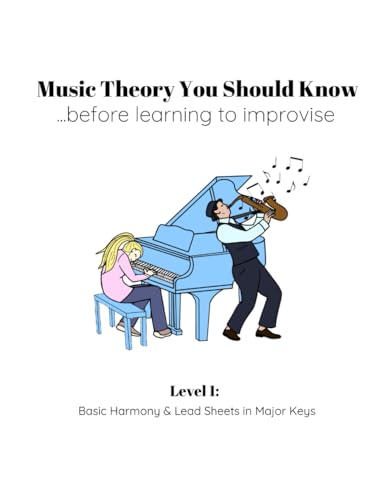
The Theory Book is Designed to be Used in Conjunction with the Other Books in Level 1
Crafting the Left Hand Part
Crafting the left hand part is a lot like painting a landscape—each note you play adds its own layer of depth and texture to the music! When you’re just starting out, try using broken chords or arpeggios; they create a flowing sound that perfectly supports the melody you have in the right hand. For example, if you’re playing a C major chord, you might break it up by playing the notes C, E, and G in a sequence instead of all at once.
If you want to give your music a stronger foundation, consider using block chords. These are the chords played all together, and they can really anchor your arrangement nicely. Think about a sturdy bridge; block chords can help keep everything balanced.
Don’t forget to experiment with chord inversions, too! Inverting chords means rearranging the order of the notes, which can make transitions smoother and add that extra richness to your sound. For instance, instead of playing a C major chord as C-E-G, you could switch it to E-G-C for a different feel.
Variety is super important! Mixing up the textures in your left hand keeps things interesting. After all, no one enjoys hearing the same thing repeatedly, right? Striking a balance between consistent patterns and some improvisation gives your piece that lively vibe. So get creative and let those ideas flow!
Using a digital piano with graded hammer action keys can help you better express these left hand techniques by providing an authentic touch and feel.
Recommended Products

𝐍𝐞𝐰 "𝟑𝐃" 𝐒𝐨𝐮𝐧𝐝 𝐒𝐲𝐬𝐭𝐞𝐦 - The newly upgraded speaker system - the unique hanging design of the speaker box makes the output sound more three-dimensional, providing you with the best listening experience. And this design reduces the footprint of the piano keyboard. DDP-200 88 keys digital piano has made significant advances in appearance and tone improvement


【88 Weighted Key Digital Piano】Experience the authentic touch of an acoustic piano from a digital piano. With bass keys that feel heavier and treble keys that are lighter, the DDP-300 electric piano offers a real playing sensation
Reharmonizing for a New Flavor
You wouldn’t believe how a simple change in harmony can turn the vibe of a song on its head! That’s where reharmonization comes in. By tweaking the original chords, musicians can give a track a whole new flavor while keeping that familiar melody intact.
For example, if you swap out triads for seventh chords, the emotional pull of the music shifts significantly. Imagine a peppy tune suddenly taking on a more soulful character! Adding color tones like ninths or thirteenths can also enrich the sound. If you want to keep your listeners on their toes, experiment with secondary dominants—those surprise chords can lead to some really thrilling progressions. Maintaining the right environmental conditions during your piano practice can further enhance your musical experience.
Recommended Products


Sharing and Performing
Hey there! You know, sharing and performing piano arrangements can really boost your musicianship and help you connect with others. When you share your unique arrangements with friends or even in online communities, you create a welcoming space where everyone can appreciate the music together. It’s a great way to build relationships through a shared love for tunes!
Now, let’s talk about performing live. There’s something special about putting your twist on a classic song, right? Imagine playing your favorite melody at a small gathering and seeing smiles on everyone’s faces. It’s not just about hitting the right notes; it’s about sharing that moment and inviting others to feel what you feel. Each performance can leave a lasting impression, turning a simple song into a memorable experience for everyone present.
And, oh, the benefits of collaboration are fantastic! When you watch someone else perform, it can spark new ideas that you might never have thought of on your own. For instance, try attending a local open mic night; you might hear a unique interpretation of a song that inspires you to experiment with your arrangements. Feedback also plays a crucial role in developing your skills. So, take the plunge! Share your music, perform, and connect with fellow music lovers. The world truly is waiting for your incredible sounds!
Using electric pianos with weighted action can enhance your live performance by providing a realistic playing experience.
Recommended Products

Outstanding Sound Quality: Immerse yourself in the exceptional sound quality delivered by our digital piano, powered by the renowned French Dream5704 sound chip. The sound resonates with depth and emotion, creating a truly immersive musical experience. Choose from 8 distinct tones and explore a library of 40 demo songs that provide ample room for creativity and skill improvement.

Unleash Your Musical Creativity: Dive into a world of musical possibilities with our premium digital piano. From the captivating tones of the exclusive French sound source to the versatile array of 8 meticulously crafted sound presets, this instrument is a gateway to your musical dreams. Access 40 practice pieces to hone your skills and let your creativity flow.

Acoustic Piano Feel - Touch-sensitive keys allow for true expression and dynamic performance. The weighted action replicates the acoustic piano experience
Frequently Asked Questions
What Is the 80 20 Rule in Piano?
Q: What does the 80/20 Rule mean for piano practice?
A: The 80/20 Rule in piano suggests that 20% of your practice techniques can yield 80% of your improvement. By focusing on core skills and effective practice strategies, you can make significant musical advancements.
*Practical Tip: Identify the few key exercises that challenge you the most and dedicate more time to them.*
Q: How should I approach chord progression practice?
A: Prioritize learning the most commonly used chord progressions, as they form the backbone of many songs. This targeted learning can enhance both your playing and songwriting skills.
*Caveat: Ensure you apply these progressions in different keys to expand your versatility and musicality.*
Q: What role does arrangement software play in piano practice?
A: Utilizing arrangement software can help you visualize and experiment with different musical ideas, making practice more productive. It allows you to create and hear your own compositions quickly, aiding creativity.
*Practical Tip: Take some time to explore user-friendly software options before diving into complex arrangements.*
Q: Are there specific techniques based on genres that I should focus on?
A: Yes, concentrating on genre-specific techniques can enhance your proficiency and adaptability in various musical styles. Each genre has unique characteristics that define its sound, so mastering these can significantly improve your overall musicianship.
*Caveat: Don’t limit yourself strictly to one genre; exploring diverse styles can enrich your skill set and creativity.*
What Are the 5 Elements of a Song Arrangement?
Q: What is melody structure in a song arrangement?
A: Melody structure refers to the arrangement and progression of musical notes that create the main theme of a song. It serves as the primary focus that listeners are drawn to.
*Tip: Ensure that your melody is memorable and easy to sing along to for greater listener engagement.*
Q: How does harmony progression contribute to a song?
A: Harmony progression involves the sequence of chords that support and enhance the melody, creating depth and emotion. It provides a backdrop that can evoke different feelings throughout the song.
*Caveat: Be mindful not to overcomplicate chord changes, as this may distract from the main melody.*
Q: What role do rhythm variations play in a song?
A: Rhythm variations introduce changes in beat patterns, adding interest and movement to the song. They can shift the energy and keep the audience engaged.
*Tip: Experiment with different rhythmic patterns to find a groove that complements your melody effectively.*
Q: What is dynamic contrast in music?
A: Dynamic contrast refers to the variations in volume and intensity throughout a song, helping to create emotional spikes and drops. It keeps the listener’s attention by showcasing the song’s emotional range.
*Caveat: Too much dynamic variation can lead to confusion, so balance is key for maintaining clarity.*
Q: How does texture affect a song’s arrangement?
A: Texture refers to how different musical elements combine, such as the layering of instruments and voices. A well-crafted texture can enhance the overall sound, making it richer or more intricate.
*Tip: Experiment with layering sounds, but make sure to keep it clear and not overcrowded, allowing each element to shine.*
Is It Legal to Make an Arrangement of a Song?
Q: Is it legal to make an arrangement of a song?
A: The legality of a song arrangement depends on jurisdiction. Generally, arrangements are subject to copyright laws, meaning you may need to obtain a license for commercial use.
*Tip: Always check if the song is in the public domain to avoid copyright issues.*
Q: What do I need to know about arrangement licenses?
A: If you plan to use an arrangement commercially, securing an arrangement license is crucial. This license allows you to legally perform or distribute the arrangement.
*Caveat: Failure to acquire the necessary licenses can lead to legal penalties, including fines.*
Q: How does transformative creativity factor into arrangements?
A: Arrangements should be transformative to comply with copyright expectations, meaning they should significantly change the original work. This creativity is essential for distinguishing your version from the original.
*Tip: Document your creative process to strengthen your case for originality if challenged.*
Q: What about public domain songs?
A: Songs in the public domain can be freely arranged without copyright concerns, as they are no longer protected by copyright laws. This opens up many possibilities for creative expression.
*Caveat: Verify the public domain status, as the rules can vary by country and specific songs.*
How to Make a Piano Repertoire List?
Q: How should I assess my personal skills when creating a piano repertoire list?
A: Evaluating your current skill level is essential to choose pieces that challenge you yet remain enjoyable. Consider your technique, reading ability, and the genres you feel comfortable with.
*Tip: Don’t hesitate to consult with a teacher for guidance on selecting appropriate repertoire suited to your skills.*
Q: Why is it important to select popular song choices across genres?
A: Including a mix of popular songs from different genres can engage a wider audience during performances. It also keeps your practice varied and interesting, enhancing your overall musicianship.
*Tip: Research trending songs and timeless classics to ensure your repertoire resonates with listeners of all ages.*
Q: What does thematic consistency mean in a repertoire list?
A: Thematic consistency refers to choosing pieces that share a common thread, such as mood, style, or era. This can create a cohesive performance experience and showcase your ability to interpret a particular theme.
*Tip: Group your pieces by mood or style for performance; this makes transitions smoother and engages your audience more authentically.*
Q: How can I consider performance opportunities when curating my repertoire?
A: Think about the types of venues and events where you will be playing; tailor your repertoire accordingly to fit the audience and occasion. Balancing popular choices with classical pieces ensures versatility in various settings.
*Tip: Keep a separate list of pieces for different types of performances, such as formal recitals versus casual gatherings.*