As an Amazon Associate, we earn from qualifying purchases. Some links on this site are affiliate links at no extra cost to you. Our recommendations are based on thorough research and editorial judgment.


How to Prepare for Your First Piano Recital

Are you ready to make your debut on stage? If you’re gearing up for your first piano recital, this guide is perfect for you! With the right preparation, you can turn your nerves into excitement and deliver a memorable performance.
You may be interested


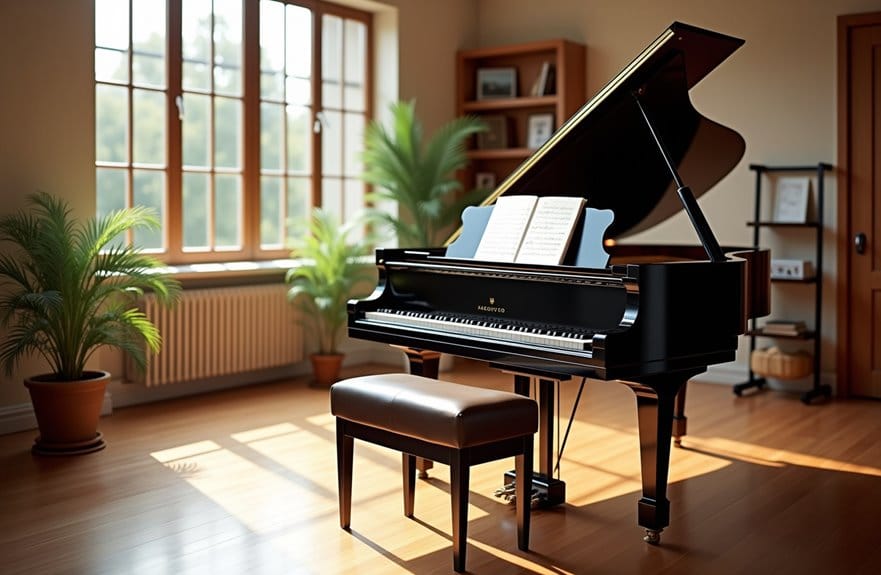
We’ll walk you through essential tips on selecting a piece you adore, establishing a daily practice schedule, and simulating the recital atmosphere by playing in front of family members.
Plus, we’ll cover important reminders such as warming up, staying hydrated, and creating a checklist of essentials to ensure everything goes smoothly.
By following these strategies, you’ll be poised to shine when the spotlight hits! Get ready to create a musical moment that you and your audience will treasure!
Key Takeaways
- Select a manageable piece that you can master within five weeks and that brings you joy.
- Establish a consistent practice schedule of 30 to 60 minutes daily, focusing on smaller sections.
- Simulate the performance environment by practicing in front of friends and introducing distractions.
- Use visualization techniques to boost your confidence and enhance your performance mindset.
- Reflect on your experiences post-recital to identify improvements and celebrate your achievements.
Selecting the Right Piece
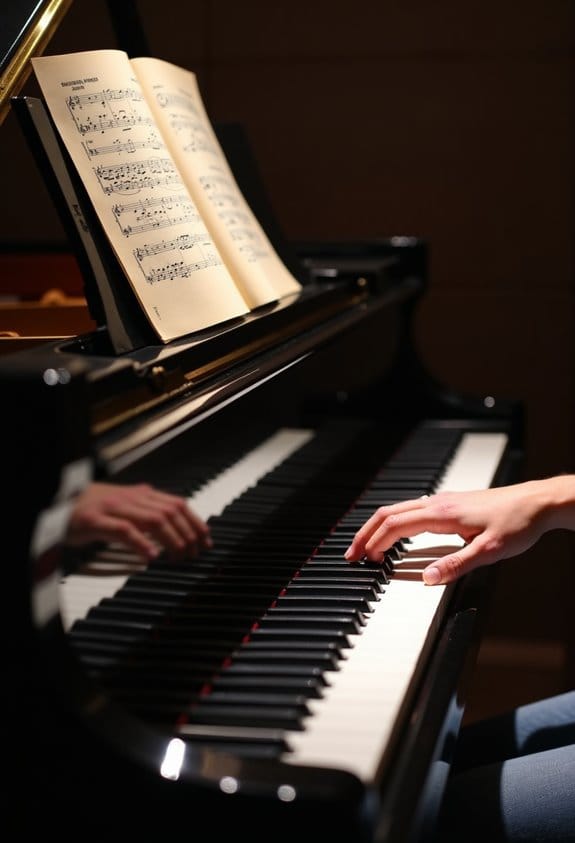
Choosing the perfect piece for your piano recital can feel a bit overwhelming, but it doesn’t have to be! The key is to select music that matches your skill level. You want something that challenges you just enough to keep it interesting, but not so difficult that it makes you anxious. A good guideline is to pick pieces you can realistically master in about five weeks. This way, you’ll have plenty of time to practice and really polish your performance.
One great approach is to think about what music brings you joy. For instance, if you love classical music, a piece like Beethoven’s “Ode to Joy” might be a good pick! It’s recognizable and can be played beautifully even if you’re still mastering some of the technical aspects. Remember, it’s often better to choose simpler pieces that you can play confidently than to struggle through something super complex. When you play something you enjoy and feel comfortable with, it really shines through to your audience!
Regular practice makes a huge difference, too. The more you play, the easier it becomes, and you’ll start to feel more at ease before your big moment on stage. With the right piece in hand, you’ll be ready to capture everyone’s attention and enjoy your time in the spotlight! Also, just like selecting compatible parts enhances an electric guitar’s performance, choosing music suited to your skill will ensure a smoother and more enjoyable recital experience due to proper compatibility.
Establishing a Consistent Practice Schedule

Establishing a consistent practice schedule is key for any pianist getting ready for a recital! It’s super helpful to carve out time each day—aim for about 30 to 60 minutes. Just like athletes train daily to prepare for a big game, you’ll want to make sure you’re regularly putting in the effort to see progress on your pieces.
One great tip is to break your practice into smaller chunks. For example, if there’s a challenging section in your music, focus on that for a while instead of trying to play the whole piece from start to finish. And don’t forget about using a metronome; it can really sharpen your timing and help you play with more precision.
Here’s a fun idea: record yourself once in a while. Listening back is like seeing a before-and-after snapshot of your improvement! You could also try performing for friends or family—it’s a great way to build confidence before the big day. With a solid routine in place, you’ll be well on your way to feeling and sounding great on stage! So, let’s talk about how to manage your time effectively during these practice sessions. Using a digital piano with weighted keys can also greatly improve your touch sensitivity and technique during practice.
Recommended Products
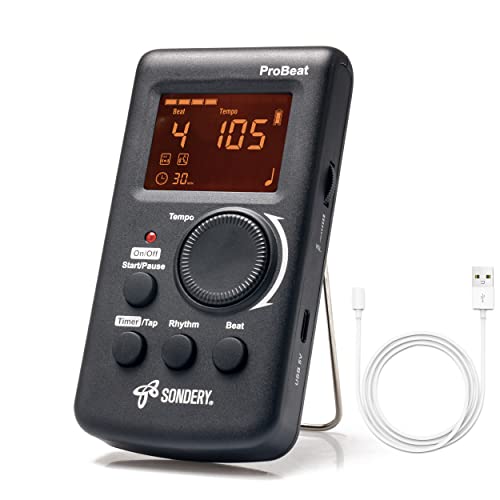
Direct and fast setting of beat, tempo, rhythm by buttons and knobs. Easily reading color screen helps a lot to understand what you want out of your Sondery brand ProBeat digital metronome.

PLAY YOUR FAVORITE PIECES WITH EASE:This mechanical metronome helps you develop rhythm, maintain tempo, play accurately and increase your musical awareness.

SATISFACTION GUARANTEE:30-day unconditional returns and 1-year manufacturer product warranty
Mastering Sections of the Piece

Mastering sections of a piano piece can really feel less daunting when you think of it as a fun series of mini-adventures! When students break down music into manageable phrases or themes, they make learning so much easier. Imagine tackling just one section each practice; it helps you build muscle memory and truly grasp what’s going on in the piece.
Repetition plays a huge role here. When you keep playing a section over and over, you’re reinforcing it in your mind. Don’t forget to isolate the tricky parts, too; think of them as mini-bosses in a video game! For example, if you’re struggling with a fast passage in the right hand, just practice that part slowly until it clicks. Each section you master gives you a little confidence boost.
Once you have a handful of sections under your belt, it’s time to connect them. This is like stitching together patches to create a quilt! Practice transitioning between sections to ensure everything flows smoothly during your performance. Every small win accumulates, ultimately leading to a standout recital. You’ll find that with patience and persistence, the music will truly shine! Using a weighted digital piano can further enhance your practice by providing a more authentic touch and sound experience.
Recommended Products
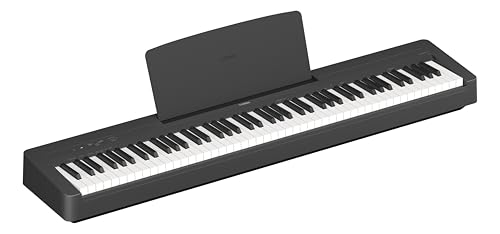
Acoustic Piano Touch - 88 weighted, touch-sensitive keys and Graded Hammer Compact action deliver a natural acoustic piano feel

SUPERIOR PLAYING EXPERIENCE: 88-key fully-weighted keyboard, 16-level touch sensitivity for authentic piano feel. Effortless control over dynamics for a better playing experience

Acoustic Piano Feel - Touch-sensitive keys allow for true expression and dynamic performance. The weighted action replicates the acoustic piano experience
Simulating the Performance Environment
Hey there! Have you ever thought about simulating the performance environment when practicing piano? It’s such a cool way to level up your skills! Picture this: you’re at home playing your favorite piece, and instead of a quiet room, you’ve got family or friends cheering you on like a real audience. It can create an exciting and supportive vibe that pushes you to perform better.
For an extra challenge, try incorporating some distractions. Maybe have a friend play music in the background or let the dog roam around while you’re playing. It’s all about seeing how well you can focus amidst the chaos! And don’t forget to do mock performances following a real recital schedule; this helps you get used to the timing and nerves you’ll feel on the big day.
Another great tip is to record your practice sessions. Listening back can be super helpful since you’ll hear what you did well and what you need to work on. Think of it as having a mini coach who always gives honest feedback! These strategies really boost your confidence and prepare you for that moment when you finally perform in front of an audience. Speaking of performance, let’s talk about how to choose the right pieces that really showcase your talent!
Also, ensuring your instrument is well maintained can make a huge difference, so consider using piano key leveling tools to keep your keys responsive and consistent during practice and performance.
Recommended Products

EXCEPTIONAL VOCAL CLARITY: This vocal microphone has a cardioid pickup pattern that isolates the main sound source while minimizing background noise and feedback, delivering clear and crisp vocal reproduction


Preparing for Performance Day
Hey! You know performance day can feel like this crazy mix of excitement and nerves, right? To make sure you feel prepared, I highly recommend arriving early at the venue. That way, you can get comfy with the space, and of course, the piano! It’ll help ease those pre-show jitters.
A quick warm-up session can seriously help shake off any lingering nerves. Trust me, you don’t want to be battling stiff fingers while trying to give your best performance! Also, remember to hydrate – a little water can do wonders. If you can, grab a light snack, too. It’s kind of like putting fuel in your musical engine to keep you energized.
To avoid any last-minute scrambles, creating a checklist for everything you need is super helpful! You know, things like sheet music, a metronome, or even a lucky charm. And don’t forget to take a moment to reflect on your goals. It centers you and sets a positive vibe for your piano recital. So, when you’re up there playing, remember to enjoy every minute of it! 🎹✨
Also, having a sturdy music stand can make a big difference in keeping your sheet music organized and easy to read during your performance.
Next up, let’s talk about how to deal with that inevitable performance anxiety.
Recommended Products

FLEXIBLE AND ADJUSTABLE - Collapsible design with height adjustment from 28.7 inches to 51.2 inches and 90 degrees fully adjustable angle tilting bookplate make this stand perfect for sitting or standing, and the vented tray, tall, wide, and deep enough to hold any kind of music sheet or books.

Lighting Head with Swing-Open Arms-Featuring a patented 180° scissor-style design, this rechargeable music stand light unfolds to provide full-page illumination. Designed by German design engineers for both performance and portability, the foldable head is easy to store, while the extendable arms offer a wider lighting area. Equipped with advanced SMD LEDs, it allows adjustable color temperature and brightness with optimized color rendering for eye comfort during night performances.

Adjustable Height & Angle:The professional music stand offers 28"-54" height adjustment with 90° tiltable bookrest. The ergonomic design accommodates both sitting and standing positions, reducing neck strain during long practice sessions
Managing Performance Anxiety
Hey there! So, let’s chat about managing performance anxiety, especially if you’re heading to the piano for a show. One of the best tips is to really get to know your performance space and your piano. When you’re familiar with where you’ll be playing, it can make everything feel a lot less intimidating.
And don’t underestimate the power of deep breathing exercises! Just a few deep breaths can calm those jitters and help you relax. You might try taking a few slow breaths in through your nose and out through your mouth right before you play. Or imagine the warmth of the sun on your face to ease that tension.
Visualization can also be a great tool. Picture yourself in your favorite cozy spot or imagine the audience cheering for you. It can shift your mindset and make you feel more connected to the moment. Plus, why not practice mock performances? It’s basically rehearsal for the real thing, and it helps build your confidence. Just grab a few friends to listen or even record yourself playing.
All these strategies can seriously change your experience with performance anxiety. Using high-quality piano hammer shanks can also help ensure your instrument sounds its best, boosting your confidence as you perform. Let’s dig into why preparation can make all the difference, next!
Recommended Products


Following Through With Feedback
Hey there! Want to level up your piano playing? Following through with feedback is super important! Music teachers often emphasize how valuable it is to take constructive criticism from your practice performances. This kind of feedback helps you identify what you need to work on and boosts your confidence, which is especially helpful before you hit that big recital.
Don’t forget, you can ask friends or family to listen to you play too! When they share their thoughts, it helps refine both your artistic expression and technical skills. For example, they might notice that you rush during certain parts, giving you a chance to slow down and improve. Self-recording your practice sessions is also a great idea! When you listen back, you can catch any mistakes and reinforce the techniques you want to master. Using a condenser microphone for your recordings can capture the nuances of your piano playing more clearly, making feedback even more effective.
Reflecting on the Experience
Hey there! After a piano recital, it’s totally normal to feel a mix of emotions—it’s like a rollercoaster ride! This moment is actually a great chance to reflect on your performance. By taking a moment to recognize the bravery it took to get up there and play, you can really boost your confidence moving forward.
Think about what went well, like if you nailed that tricky piece you practiced for weeks! But don’t overlook the moments that could use a bit of work, like maybe handling your nerves better next time. It’s all part of the learning process.
Have you ever asked friends or your music teacher for feedback? They might offer some helpful tips that can really enhance your skills. And you know what? Keeping a performance journal can be a fun way to note your progress, jot down what you want to improve, or set goals for your next recital.
And don’t forget to celebrate your achievements, no matter how small! Whether you played a flawless piece or just made it through the recital, acknowledging those successes can keep your motivation high and strengthen your love for playing music. So, as you think back on this experience, consider how it can influence your next performance. Every step is part of your journey as a musician!
Using instructional materials like scale charts and note position guides can further enhance your learning and skill development after your recital.
Frequently Asked Questions
How Do You Prepare Yourself for a Piano Recital?
Q: How can I manage my nervous energy before a piano recital?
A: Embrace nervous energy by implementing effective performance strategies. This can include visualization of a successful performance and rehearsing with focus on positive outcomes.
*Tip: Consider rehearsing in front of a small audience to simulate performance conditions.*
Q: What should I consider when selecting my repertoire?
A: Choose advanced pieces that showcase your strengths and are well within your capability. Ensure the selected repertoire allows for emotional expression, as this can engage your audience.
*Caveat: Avoid overly complex pieces that may lead to last-minute stress; stick to pieces you are comfortable with.*
Q: How can recording my practice sessions help in preparation?
A: Recording practice sessions allows you to monitor your progress and identify areas for improvement. This feedback can refine your technique and interpretation before the big day.
*Tip: Review recordings with a critical ear and note areas that need work, but be sure to also listen to strong moments to build confidence.*
Q: Why is it important to have trial performances?
A: Conducting trial performances helps to acclimate you to performing in front of others, reducing anxiety during the actual recital. It also provides an opportunity to receive constructive feedback.
*Caveat: Choose your trial audience carefully; friends and family can provide support, but consider inviting a musician to get more professional insights.*
Q: How can I familiarize myself with the concert venue?
A: Visit the venue ahead of time to get comfortable with the space, the piano, and acoustics. Familiarity can significantly ease nerves on recital day.
*Tip: If possible, practice on the actual piano you will perform on to optimize your comfort level.*
Q: What calming techniques can I employ on recital day?
A: Techniques such as deep breathing, meditation, or gentle stretching help calm nerves and center your focus. These can prepare both your body and mind for performance.
*Caveat: Make sure to practice these techniques regularly leading up to the recital to see their effect on your anxiety management.*
What Is the 80 20 Rule in Piano?
Q: What is the 80/20 rule in piano?
A: The 80/20 rule suggests that 80% of your progress comes from 20% of your practice efforts. By focusing on the most essential measures or techniques, pianists can enhance their skills more efficiently.
*Tip: Identify the key sections of a piece that give you the most trouble and concentrate your practice on those parts.*
Q: How can the 80/20 rule help with performance anxiety?
A: This rule emphasizes the importance of focused practice, which can reduce feelings of anxiety before performances. By refining specific areas, pianists build confidence and familiarity with challenging pieces.
*Caveat: While focused practice is beneficial, be sure to include full run-throughs occasionally to replicate performance conditions.*
Q: How does prioritizing essential measures improve overall performance?
A: Prioritizing core measures allows pianists to maximize their practice time, leading to quicker mastery and improved performance quality. It ensures that they are spending their energy where it will have the greatest impact.
*Tip: Use a metronome to practice your prioritized measures slowly before gradually increasing the speed to ensure accuracy.*
Is Grade 8 Piano Impressive?
Q: Is Grade 8 piano impressive?
A: Yes, Grade 8 piano is a significant achievement that reflects a high level of skill and dedication. It involves mastering complex techniques and a diverse repertoire.
*Tip: Celebrate your accomplishment but remember that ongoing practice is key to maintaining and improving your skills.*
Q: Do musicians experience performance anxiety?
A: Yes, many musicians, even those at high levels like Grade 8, experience performance anxiety. This highlights the emotional and psychological challenges that can accompany musical proficiency.
*Caveat: Consider techniques such as deep breathing or mindfulness to help manage anxiety before performances.*
Is 1 Hour of Piano a Day Enough?
Q: Is one hour of piano practice enough?
A: One hour of piano practice can be a good starting point, especially for beginners. However, advanced players might find it insufficient for overcoming performance anxiety and challenges.
*Tip: Try to maintain a balance between practice time and quality focus on specific techniques or pieces.*
Q: How does quality of practice affect progress?
A: The quality of practice is crucial for growth; simply clocking in hours isn’t enough. Consistent, focused practice on difficult sections can yield better results than longer, unfocused sessions.
*Caveat: Make sure to identify specific goals for each practice session to maximize effectiveness.*


