As an Amazon Associate, we earn from qualifying purchases. Some links on this site are affiliate links at no extra cost to you. Our recommendations are based on thorough research and editorial judgment.


The Characteristics of Romantic Era Piano Music

Immerse yourself in the captivating world of Romantic era piano music, where emotions and storytelling reign supreme!
You may be interested


If you’ve ever felt moved by the beauty of music, this exploration is for you. Spanning from 1820 to 1910, composers like Chopin and Liszt crafted haunting melodies that resonate deeply, utilizing a rich palette of dynamics, flexible tempos, and intricate textures.
In this journey, you’ll uncover the magic behind techniques like rubato and the innovative tools that composers employed to evoke powerful feelings.
Get ready to delve into the enchanting elements that define Romantic piano music and leave a lasting impact on your soul!
Key Takeaways
- Emotional expression and storytelling through beautiful melodies are central to Romantic-era piano music.
- The use of rubato allows for tempo flexibility, enhancing engagement and surprise in performances.
- Dramatic contrasts in dynamics elevate the emotional intensity, exemplified by pieces like Liszt’s “La Campanella.”
- Advanced pedaling techniques create seamless transitions and rich, resonant sound quality in performances.
- The repertoire includes a range of works, from Chopin’s Nocturnes for intermediates to Liszt’s Hungarian Rhapsodies for advanced musicians.
Background of the Romantic Period

Hey there! Have you ever wondered about the Romantic Period in music? It was such an exciting time, roughly between 1820 and 1910, when composers truly let their feelings shine through their work. They were really inspired by Beethoven, which led to some beautiful, intricate melodies that broke away from the stricter forms of the Classical era.
And speaking of innovations, the piano was getting a makeover too! With the addition of more keys, the Romantic piano expanded to 88 keys, opening up a whole new world of sound. This evolution allowed composers to explore deeper emotional expressions, resulting in pieces that conveyed a rich variety of feelings.
Musicians during this period often became virtuosos, wowing audiences with their emotional performances and technical prowess. Just think about the magic of Chopin’s nocturnes or the lively waltzes of Johannes Brahms! Those works are perfect examples of how they captured feelings in ways that still resonate with us today. It’s fascinating to think about how this era shaped the way we experience music now!
Modern instruments emulate this era’s intricate sound with weighted keys that simulate the authentic touch and response of Romantic pianos.
Features of Romanticism in Piano Music

Romantic piano music is truly fascinating! It’s like an emotional journey wrapped in beautiful melodies. During this time, composers created music that really connects with our feelings. For instance, Chopin’s Nocturnes are a perfect example, where you can hear the longing and passion in every note.
One of the most interesting techniques they used is called rubato. This means they played around with the tempo, speeding up or slowing down parts of the music, which can totally surprise you! It feels like a roller coaster of emotions, making each piece even more engaging.
The piano itself was also expanding, gaining more keys and allowing for a wider range of dynamics. You hear these dramatic contrasts in pieces like Liszt’s “La Campanella,” where the powerful, crashing chords really stand out against soft, delicate passages. It’s fascinating how these rich features create a vivid storytelling experience in every melody. Ensuring smooth key action through piano key bushings can greatly enhance the expressive capability of such dynamic performances.
The Evolution of the Piano

Hey there! Isn’t it fascinating how the piano, that beloved instrument we all know, has transformed over the years? Picture this: back during the Romantic period, pianos expanded from just five octaves to a whopping six-and-a-half octaves, eventually giving us those 88 keys we’re used to today. Can you imagine the thrill of a composer sitting down to play and suddenly having access to a broader range of notes?
Now, let’s talk about another exciting change that happened around the 1820s. Pianos switched from wooden frames to metal frames, which really boosted their strength and sound quality. This allowed for tighter, higher-tension strings, and the result? A richer, fuller tone that perfectly complemented the emotional music of the time. Think of composers like Chopin and Liszt, who really took advantage of this enhanced sound to express deep feelings through their music.
It’s amazing to see how these changes shaped the way we experience piano music today! It’s a good reminder of how innovation can elevate art. The use of high-carbon steel strings with optimal tension played a crucial role in achieving the piano’s rich and clear tonal quality during this transformative period through string material selection. So, speaking of evolving art forms, let’s explore how these advancements influenced music composition and performance styles in subsequent eras.
Recommended Products

🚬EXQUISITE WORKMANSHIP: 100% Wood frame with upscale piano black finish. Premium Canada cedar wood trays. Not only a cabinet but also a decor for your cigar room, combination of modern and classical.

Handlebar design offers three riding positions - upright, cruising, and road racing. The overall width of the handlebars places the user in better ergonomic position with the forearms more directly under the shoulders.

Commercial grade upright exercise bike used in fitness centers worldwide
Characteristics of Performance Techniques
Did you know that the emotional expression in piano music really shines during the Romantic era? Performers were all about using techniques like rubato, which means they could stretch or compress the tempo of a piece. This makes each note feel more expressive and full of emotion. It’s a pretty fascinating way to bring music to life!
Dynamic contrasts were another key element for pianists. They could shift from incredibly soft, whisper-like passages to explosive, powerful climaxes. Imagine the thrill you get from listening to a piece that takes you on an emotional rollercoaster, pulling you in and then lifting you right back up! A great example is Chopin’s Nocturne in E-flat Major, where you can really hear those dramatic shifts.
And let’s not forget about advanced pedaling techniques. They helped create seamless transitions between notes, but mastering them took serious skill. Composers often designed their pieces to showcase the performer’s technique and emotional interpretation, pushing the boundaries of piano playing. Just picture a performer passionately conveying every note while nailing the technical aspects—it’s no wonder audiences found the Romantic piano music so captivating!
This love for emotion and technique didn’t just stop there; it set the stage for the following musical movements, influencing how composers and performers approached music for years to come. Additionally, maintaining the piano’s action with quality hammer replacement parts helps ensure that the emotional nuances and dynamic contrasts in Romantic music are effectively conveyed through the instrument.
Recommended Products
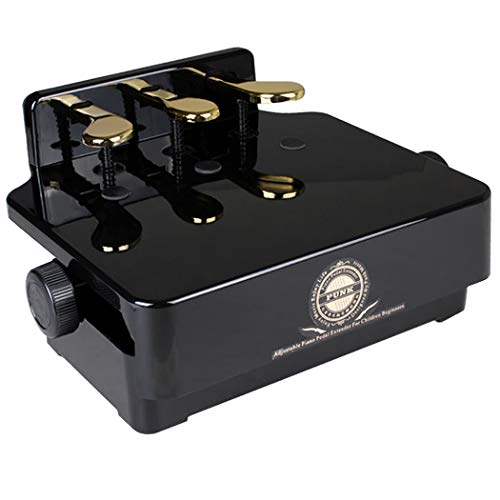
Helps Young Pianists Reach The Piano Pedals - This Piano Pedal Extenders can help children develop the correct habit of playing the piano. Let your child easily touch the piano pedals and Say goodbye to bad habits such as bad sitting posture, weak fingers and hunchback.

Professional piano tuning repair kit, with storage bag, easy to use

Loop & Drum Pedal: 44.1kHz / 24bit high-quality phrase looping plus drum machine functionality. Dual footswitches allow separate control of the LOOPER and drum machine functions. The screen displays phrase loop progress information. All recorded content is automatically saved upon power loss.
The Role of Rubato in Interpretation
Have you ever heard of rubato in piano music? It’s such a cool technique that really takes expressiveness to a whole new level. The term comes from the Italian phrase meaning “stolen time,” and it allows musicians to play with the tempo, adding emotional depth to their performance, especially in Romantic pieces. Imagine a musician gently stretching a note to create tension, then bringing it back to the beat—pretty fascinating, right?
Performers use rubato to shift tempos while keeping the underlying rhythm steady. There are two main styles: the vocal or violin rubato, which helps add personal flair to phrases, and keyboard rubato, which grants more flexibility in rhythm. Think of Chopin playing a beautiful melody with subtle tempo changes; it feels intimate and personal.
Composers like Chopin and Liszt loved using rubato because it encourages musicians to interpret the music in their own way. It’s like adding your own brushstrokes to a painting! But here’s the catch: mastering rubato takes practice. You need to find that sweet spot between freedom and keeping the structure intact. It’s an art, making each performance feel unique and fresh. So, whether you’re playing or listening, rubato makes the experience richer and more engaging!
Speaking of engagement, one way musicians can enhance expressiveness is by learning on instruments with enhanced playability to facilitate smoother technique and emotional control.
Speaking of engagement, let’s explore how dynamics can further enhance emotional expression in music.
Pedalling Techniques and Their Impact
You know, when it comes to pedalling in Romantic piano music, it’s really more than just pushing some pedals down. It’s like opening up a rich, vibrant world of sound! Techniques like half-pedalling and using the una corda can help musicians create these lush, expressive sounds that truly bring the music to life.
Take Chopin, for instance. He often included specific pedalling instructions in his scores, and this helps pianists achieve that smooth, connected sound we love to hear. And then there’s Liszt! His compositions require quick pedal changes, which can be quite the workout for your feet.
Performers from the Romantic era often mixed rubato with pedal techniques to create spontaneous and emotional expressions in their playing. Plus, the improvements in piano design during this time made the instrument sturdier, enhancing those magical sound effects. It’s fascinating how something as simple as pressing a pedal can add so much depth to the music!
It’s also important to note that using adequate polyphony capacity in digital pianos ensures sustained notes don’t cut off, preserving the intended emotional effect of pedal use.
Now that we’ve explored how these pedalling techniques work, let’s chat about how they influence the overall emotional atmosphere in pieces from this era.
Recommended Products

Massive Sound Library & Premium Polyphony – Boasting 800 rich tones ranging from grand pianos to strings, brass, and synth leads, this digital piano covers every musical genre. With 128-note polyphony, you'll never experience dropped notes even during complex classical pieces or sustained chord heavy arrangements, ensuring every performance is flawlessly smooth.

88-Key Digital Piano: This is a full-size semi-weighted digital piano with pedal, sheet music stand,power adapter; This electric piano mimics the authentic touch of an acoustic and is perfect for beginners, making it a great choice for home practice or classroom instruction

Portable 3-pedal unit for Casio PX-S1000 Series
Dynamics and Articulation in Romantic Music
Romantic piano music has this incredible energy with its rich dynamics and articulation! You know, during this era, composers used a wide range of volumes—from the softest whispers to powerful crescendos—making each piece feel so emotionally alive. Can you picture playing a piece that moves from a delicate pianissimo to a booming fortissimo? It really enhances the emotional pull of the music!
And then there are the different articulation techniques artists use. Think about staccato notes that create a playful, bouncy feel versus legato notes that glide smoothly into one another. This flexibility allows performers to add their personal touch to each piece, making it uniquely their own.
Don’t forget about the magical role of the pedal! It’s like a paintbrush for sound, helping to create a lush, resonant quality that can blend or blur notes together. Plus, with rubato, pianists can stretch or push the rhythm a bit, adding extra nuance to their performances. It’s fascinating how all these elements come together, allowing musicians to express their individuality. Speaking of individual expression, let’s explore how composers like Chopin and Liszt used these techniques to push the boundaries of romantic music!
Maintaining proper humidity in the piano’s environment is crucial to preserve the instrument’s responsiveness and sound quality, which is why many pianists use humidity sensors to monitor and protect their instruments.
Recommended Products

Crawlspace Dehumidifiers with Pump: Removal of 145 PPD at saturation condition, fit for any basement, crawl space, storage area, garage, large room, or commercial use, coverage area up to 1,800 sq.ft, It will be the best crawl space and basement dehumidifier you will ever use

HUMIDIFIER: Auto Mode monitors air quality and adjusts air purification and humidity levels.

Powerful 2026 ENERGY STAR Dehumidifier: 35 pints per day at AHAM condition, 70 Pint at saturation, perfect for spaces up to 1,000 sq. ft. Compact and portable, it works in basements, crawl spaces, bathrooms, and more. Auto-defrost and memory restart ensure smooth operation, while the drain hose allows hassle-free continuous drainage. Ideal for water damage repair or everyday humidity control—durable, efficient, and easy to use
Control of Textures in Piano Compositions
Hey there! Have you ever noticed how captivating the textures in Romantic Era piano compositions can be? Composers like Chopin and Liszt truly knew how to weave together different layers of melodies, harmonies, and bass lines. This combination creates a full and rich sound that feels like it’s wrapping around you!
One way performers enhance these textures is through advanced pedal techniques. Imagine the smooth blending of notes that almost makes them feel like they’re singing together. Pianists also use rubato, which means they play around with the timing a bit, adding excitement and emotion to the piece. For example, when Chopin plays a lyrical melody, you might hear the tempo shift, pulling you into the music’s emotional core.
But let’s be real—it’s no walk in the park! It takes a lot of skill and practice to manage these intricate textures and make them sound effortless. Pianists need to maintain clarity while navigating through some pretty virtuosic passages. If you’re interested in exploring this wonderful world of sound, keep an ear out for how different composers approach their textures—it can be an eye-opening experience! Selecting the right piano hammer felts with felt density variations can also greatly influence the tonal warmth and clarity, enhancing the expressive capabilities in Romantic piano music.
Choosing Repertoire for Romantic Piano Music
Choosing the right repertoire for Romantic-era piano music can be an exciting adventure! Think of it as a treasure hunt where you get to explore beautiful melodies filled with deep emotions, shaped by amazing composers like Chopin, Schumann, and Liszt.
If you’re an intermediate pianist, you might find that Chopin’s Nocturnes or Schumann’s Kinderszenen are just the right fit. They present manageable challenges while still sounding impressive. On the other hand, if you’re more advanced, you could take on Liszt’s Hungarian Rhapsodies or Brahms’ intermezzi, which really highlight your technical skills and emotional expression.
Don’t forget about resources like the ABRSM syllabus, which can help point you to pieces that suit your skill level! And consider checking out annotated editions from platforms like Petrucci Library; these can add helpful insights into the music, making it even more engaging as you explore different interpretations. Using materials with notation clarity can significantly enhance your practice experience by providing easy-to-read scores that reduce frustration. So, what piece are you thinking about tackling first? There’s a wealth of choices out there, and the process of selecting one is just as rewarding as playing the final notes!
Recommended Products


Style and Interpretation in the Romantic Era
If you ever want to chat about style and interpretation during the Romantic era in music, get ready for a thrilling ride through emotion and creativity! This period was all about expressing feelings through music—musicians really stepped it up by using techniques like rubato, where they play around with the tempo to make the music feel more alive. It’s way more engaging than just sticking to a strict beat, don’t you think?
Piano pedaling also evolved during this time, allowing musicians to create rich, layered sounds that added depth to their performances. Just think about Chopin’s Nocturnes; the way he writes allows for such beautiful emotional expression, drawing listeners into the mood of the piece. And let’s not overlook the flashy virtuoso displays by composers like Paganini, who wrote technically demanding pieces that really showcased a performer’s skills.
When it comes to interpretation, the Romantic era encouraged musicians to infuse their own emotions into the music. They had these long, flowing melodies that were meant to be spontaneous and heartfelt. Imagine playing a piece like Tchaikovsky’s “Romeo and Juliet,” where every note captures the passion of the story—it’s an experience that both the player and the audience share together! This personal touch in interpretation truly makes each performance unique. What’s fascinating is how these ideas laid the groundwork for the musical expressions we see in later periods. Using the right piano pedals with polarity switches can further enhance this emotional depth by allowing better control of sustain and expression.
Frequently Asked Questions
What Are the Characteristics of the Romantic Piano Music?
Q: What defines Romantic piano music?
A: Romantic piano music is characterized by its emotional expressiveness and lyrical melodies that evoke deep feelings. It emphasizes personal expression and the exploration of profound themes, creating an intimate connection between the performer and the listener.
*Tip: When playing, focus on conveying the emotion behind each phrase to enhance its impact.*
Q: How does Romantic piano music use dynamics?
A: Dynamics in Romantic piano music feature significant contrasts, which heighten the intensity and drama of the piece. These variations contribute to a vibrant musical experience that captivates audiences.
*Caveat: Be mindful not to overpower the melody with dynamics; balance is key to maintaining clarity.*
Q: What is the overall effect of Romantic piano music on listeners?
A: The music resonates deeply with listeners, often stirring strong emotions due to its expressive nature. It creates a captivating atmosphere that encourages introspection and emotional engagement.
*Tip: To connect with the audience, consider sharing the story or emotion behind the piece you are performing.*
What Are the Characteristics of the Romantic Era Music?
Q: What is a defining characteristic of Romantic era music?
A: Romantic era music is known for its emotional expression, characterized by lush and lyrical melodies that evoke deep feelings. This focus on emotion allows listeners to connect with the music on a profound level. Tip: Pay attention to the dynamics and phrasing, as these can significantly enhance emotional impact.
—
Q: How did composers during the Romantic era push musical boundaries?
A: Composers of the Romantic era were known for their virtuosic performances and innovative techniques, exploring new harmonic structures and forms. This experimentation led to a rich tapestry of sound, where every note resonates with the heart. Caveat: Be mindful that while exploration is key, clarity in the music’s emotional intent should not be lost amid complexity.
—
Q: What is the overall impact of Romantic era music on listeners?
A: The music of the Romantic era is designed to provoke strong emotional reactions, enabling listeners to experience a wide range of feelings. This connection between the composer’s intent and the listener’s experience is a hallmark of the era. Tip: Try to listen to various pieces while reflecting on your emotions to deepen your understanding of the music’s impact.
What Did the Piano Music Mean in the Romantic Period?
Q: What did piano music represent during the Romantic period?
A: Piano music during the Romantic period represented expressive freedom, enabling composers to delve into emotional depth. It served as a personal narrative tool, creating a strong connection between performers and audiences through shared emotions.
*Tip: When listening to Romantic piano music, pay attention to the emotional fluctuations and how they resonate with your own experiences.*
Q: How did piano music facilitate individual expression?
A: Composers used piano music as a means of individual expression, allowing them to convey their unique emotions and stories. This personal touch helped to forge a connection with the audience, making their performances more impactful.
*Caveat: Remember that interpretations can vary; consider multiple performances of the same piece to appreciate its emotional range.*
What Is a Romantic Era Piano?
What is a Romantic era piano?
A Romantic era piano is typically characterized by its 88 keys and enhanced capabilities for expression. This design allowed composers to experiment with new techniques and improvisation, contributing significantly to the emotional intensity of their music.
How did Romantic era pianos influence composers?
These pianos enabled composers to explore greater emotional depth and complexity in their compositions. The advancements in piano mechanics and design opened up new possibilities for musical interpretation.
What should you consider when playing a Romantic era piano?
When playing, be mindful of the nuances and expressive techniques that the instrument allows, such as dynamics and pedal usage. Practicing improvisation can also enhance your understanding of the Romantic style.


