As an Amazon Associate, we earn from qualifying purchases. Some links on this site are affiliate links at no extra cost to you. Our recommendations are based on thorough research and editorial judgment.


The Romantic Era: When Piano Music Reached Its Peak

Discover the captivating world of the Romantic Era, when piano music reached its exhilarating peak!
You may be interested


If you’re a music enthusiast or simply curious about the power of emotion in composition, you’re in for a treat.
Composers like Chopin and Liszt mesmerized audiences with their profound emotional depth and dazzling technique.
During this period, the piano evolved with the introduction of the 88-key keyboard, unlocking a realm of creative expression.
Dive into the personal stories behind their masterpieces and explore how these iconic figures crafted music that resonates deeply even today.
Join us as we uncover the fascinating contributions and emotional styles of these legendary composers!
Key Takeaways
- The Romantic Era, spanning the 19th century, was marked by a surge in creativity and emotional depth in piano music.
- Advances in piano design allowed for a powerful 88-key range, enhancing expressive capabilities for composers and performers.
- Notable composers like Chopin, Liszt, and Schumann became music superstars, transforming piano music into a highly esteemed art form.
- Techniques such as rubato and advanced pedaling added emotional nuance, making performances more compelling and personal.
- The emotional storytelling found in works like Chopin’s “Ballades” and Liszt’s “Hungarian Rhapsodies” exemplifies the peak of Romantic piano music.
Background and Evolution of Romantic Piano Music

As the 19th century rolled in, Europe buzzed with creativity, and that was a game-changer for music—particularly for romantic piano music. The piano was transforming too! They went from having just six-and-a-half octaves to a full 88 keys, opening up exciting new emotional possibilities for composers. This shift meant that artists could express a wide range of feelings like never before.
Take Frédéric Chopin, for example. He had a knack for challenging pianists with pieces like the “Minute Waltz,” which required some serious finger dexterity! Then there’s Franz Liszt, whose “Hungarian Rhapsody No. 2” captivated audiences with its dramatic flair. These talented pianists became the superstars of their time. Can you imagine the crowd roaring like they just scored a touchdown? It’s a thrilling time for romantic piano music, setting the stage for even more innovations in the years to come.
As we look closer at what made these composers unique, we’ll see how their personal experiences played a significant role in shaping their music. The advancements in piano design, including the introduction of weighted keys and hammer action, greatly enhanced the expressive capabilities that defined the Romantic era’s sound.
Recommended Products

The CFX Premium Grand Piano Voice recreates the power and tone of Yamaha's flagship CFX concert grand piano

Rich expression from Roland’s SuperNATURAL Piano technology
Characteristics of the Romantic Piano

Hey there! Let me tell you about Romantic piano music—it’s truly a fascinating world filled with emotion and creativity from the 19th century. During this time, the piano evolved into a powerful instrument with a six-and-a-half octave keyboard, which eventually led to the 88-key pianos we know today. This larger range opened the door for composers like Chopin and Liszt, who wowed audiences with their sparkling melodies and complex finger work.
One cool thing about Romantic piano music is the use of “rubato.” This is when performers stretch or compress the rhythm a bit to really convey feelings in the music. Imagine a piece meant to evoke longing; the musician might slow down certain notes to draw you in—it’s all about expressing deep emotions! Plus, new forms like nocturnes, which are often reflective and dreamy, allowed composers to explore feelings in a beautiful, musical way.
Concert pianists during this era became superstars, captivating audiences with their technically demanding performances. Can you imagine attending a concert where a pianist dazzles with a piece that seems nearly impossible? It was all part of the excitement! This unforgettable connection between the performers and their audience is something that still resonates today, making Romantic piano music a key chapter in our musical history. Wouldn’t it be amazing to learn about how these pieces influenced modern piano music? Modern pianoists often seek digital pianos with weighted keys to replicate the expressive touch of Romantic-era instruments.
Recommended Products

Two super-clear OLED displays for on-stage clarity, seamless transitions when changing programs/sounds, extended Split functionality with optional crossfade, and the addition of the new Song List Mode

88-key Digital Piano with Grade-weighted Hammer-action Wooden Keys
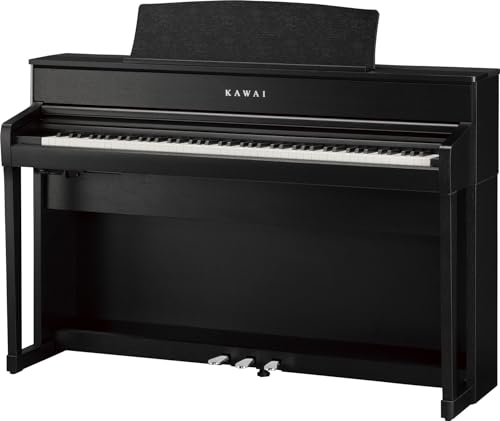
88-key Digital Piano with Grade-weighted Hammer-action Wooden Keys
Notable Composers and Their Contributions

Hey, have you ever listened to Franz Liszt? He’s often considered the ultimate showman in classical music! His “Hungarian Rhapsody No. 2” is a perfect example—it’s so captivating that you can almost hear the drama unfold. Imagine being able to play that!
Then there’s Robert Schumann, who really knew how to tell a story through music. Check out his piece “Carnaval,” which paints a vibrant picture of different characters and festive scenes. And we can’t forget Clara Schumann. Her “Soirées Musicales” shows off her incredible skill while infusing it with heartfelt emotion. It’s a beautiful blend of technique and soul.
Now, if you want something with a bit more emotional weight, Sergei Rachmaninov’s “Piano Concerto No. 2” is a powerful choice. Its deep feelings speak to anyone who’s ever experienced love or loss. These composers each bring something unique to the table, making romantic music truly special. It’s fascinating how their individual styles and narratives come together, don’t you think?
Playing these demanding pieces becomes even more rewarding with a weighted keyboard that simulates the authentic feel of an acoustic piano.
Stylistic Techniques and Performance Practices
Hey there! Have you ever listened to Romantic piano music? It’s such an expressive genre, where musicians really bring the compositions to life with some incredible techniques. One of the coolest tricks they use is called rubato, which means stretching or squeezing the tempo a bit. It’s like taking a moment to savor a beautiful note—imagine holding that long, sweet sound just a second longer to deepen the emotion.
Now, let’s talk about pedaling. Advanced pedaling techniques can really change the game by adding a rich emotional depth to what you hear. Think about how blending the melody with the bass line creates a beautiful texture. For example, in Chopin’s Nocturnes, you can hear how he weaves the left-hand bass notes smoothly with the flowing right-hand melody, making the music feel like it’s breathing.
And let’s not forget about ornamental practices! Trills, grace notes, and other flourishes allow performers to show off their personal styles. This is what makes each performance unique. It’s fascinating how the complexity of these stylistic techniques makes the piano repertoire more demanding, challenging even the most skilled players. To protect your instrument and preserve performance quality, using floor protection like caster cups under piano legs is essential.
Recommended Products

Set of 4 Piano Casters with Mounting Sockets

Upright Piano Wheels - Set of 4 Wheels
The Lasting Legacy of Romantic Piano Music
Have you ever wondered what makes Romantic piano music so unforgettable? It’s all about the incredible emotions and techniques that composers like Chopin and Liszt brought to their masterpieces. For instance, Chopin’s “Ballades” are not just lovely to listen to; they explore deep feelings and tell stories through music. Likewise, Liszt’s “Hungarian Rhapsodies” showcase brilliant piano techniques that really wow audiences.
These composers took the piano beyond its limitations, turning it into a powerful instrument capable of expressing a wide range of emotions. Can you imagine being in a concert hall, fully captivated by a pianist pouring their heart out through a thrilling performance? That’s what the rise of virtuosic pianists brought to the stage and laid the foundation for modern concerts.
Even today, Romantic piano music remains a staple in music schools around the world. Students connect with these intricate pieces, not just as exercises but as gateways to understanding the emotional depths of music. It’s fascinating how these works continue to inspire passion and creativity in new generations of musicians. So, what’s your favorite piece from this period? Advanced pianists benefit from instruments with higher polyphony features to capture the fullness of these complex compositions.
Recommended Products

Frequently Asked Questions
How Did the Piano Grow in the Romantic Era?
Q: How did piano innovations evolve during the Romantic Era?
A: Piano innovations flourished with advancements in construction, making the instruments more powerful and expressive. This allowed composers to experiment with new sounds and textures, pushing the boundaries of piano music.
*Tip: When exploring piano works from this era, listen for variations in dynamics and tone to fully appreciate these innovations.*
Q: What role did composers play in the development of the piano during this period?
A: Composers contributed breathtaking melodies that showcased the new capabilities of the piano, often incorporating emotional and dramatic elements. They wrote pieces that highlighted the instrument’s range, leading to a richer musical experience.
*Caveat: While many compositions are renowned, remember that some lesser-known works are equally exciting and can offer fresh perspectives on Romantic piano music.*
Q: How did performance techniques change in the Romantic Era?
A: Refined performance techniques emerged, allowing musicians to express deep emotions and nuances in their playing. This period emphasized personal interpretation, making performances more individualized and vivid.
*Tip: When practicing, focus not only on technical proficiency but also on conveying emotion to connect with your audience.*
Q: What is the significance of virtuosity in Romantic piano music?
A: This transformative period gave rise to virtuosity, enabling musicians to explore vast landscapes of sound and expression. The emphasis on technical skill allowed performers to dazzle audiences with intricate passages and dramatic flair.
*Caveat: While aiming for virtuosity, ensure that musicality is not sacrificed in favor of speed and technical display.*
Which Instrument Reached Its Peak in the Romantic Era?
Q: Which instrument reached its peak in the Romantic era?
A: The piano reached its peak during the Romantic era, known for its innovative enhancements that increased its expressiveness. This period emphasized virtuosic performances, allowing musicians to delve into deep artistic expression through complex and emotive pieces.
*Tip: If you want to appreciate Romantic piano music fully, listen to a variety of composers to understand the different emotional nuances they express.*
Q: What characterized music during the Romantic era for the piano?
A: The Romantic era was characterized by intricate and emotive compositions that highlighted the technical skills of pianists. The focus was on individual expression, making the piano a central instrument in this vibrant musical period.
*Caveat: While exploring these pieces, note that some compositions may be challenging to play; it’s crucial to start with manageable works as you build your skills.*
What Is Piano Music of the Romantic Period?
What is piano music of the Romantic period?
Piano music of the Romantic period is characterized by emotional expression and intricate melodies. Composers sought to convey deep feelings and personal experiences through their music, often showcasing exceptional technical skill and creativity.
*Tip: Explore a variety of Romantic composers, such as Chopin, Liszt, and Schumann, to fully appreciate the diversity in style and expression.*
What influences Romantic piano music?
The Romantic period was influenced by ideals such as individualism and the celebration of nature. Composers drew inspiration from literature, art, and their own lives, resulting in music that resonated emotionally with listeners.
*Caveat: Keep in mind that while Romantic music has emotional depth, not every piece may connect with every listener; personal taste plays a significant role.*
How does Romantic piano music differ from other periods?
Unlike the structured styles of the Classical period, Romantic music is more free-flowing and focuses on emotional expression. It features greater contrasts in dynamics, tempo, and harmonic complexity, allowing for a richer listening experience.
*Tip: Listen for the use of rubato and expressive phrasing which are hallmarks of Romantic performance practice.*
What are some key features of Romantic piano music?
Key features include expanded ranges of dynamics and tempo, lyrical melodies, and innovative harmonic progressions. Composers often used improvisation techniques and wrote pieces that required significant technical skill from the performer.
*Caveat: While Romantic music can be incredibly rewarding to play, it may also be technically challenging, so be patient and practice regularly.*
When Did Classical Music Reach Its Peak?
Q: When did classical music reach its peak?
A: Classical music reached its peak from the late 18th century to the early 19th century. This era is characterized by notable innovations among composers and a clearer structure in musical compositions.
*Tip: Explore works from composers like Mozart and Beethoven to fully appreciate this transformative period in music history.*
Q: What factors contributed to the peak of classical music?
A: The expansion of audiences during this time allowed a wider range of people to access and enjoy sophisticated musical forms and performances. This increased interest helped propel the genre to new heights in both popularity and complexity.
*Caveat: While appreciating the innovations, be mindful that not all music from this era resonated with everyone; tastes can vary widely.*