As an Amazon Associate, we earn from qualifying purchases. Some links on this site are affiliate links at no extra cost to you. Our recommendations are based on thorough research and editorial judgment.


The Truth About Piano Soundboard Cracks

Piano soundboard cracks can be as frustrating as a shattered phone screen, and they can catch you off guard!
You may be interested



If you’re a piano owner or enthusiast seeking to preserve your instrument’s rich sound, understanding these cracks is essential. In this guide, you’ll discover what causes these pesky soundboard cracks—primarily the shifts in humidity and temperature that can lead to wood shrinkage.
While not all cracks are cause for concern, larger ones can significantly affect the quality of the music you produce, turning sweet melodies into unwanted buzzing sounds.
Keep reading to learn practical tips for maintaining your piano in top condition and preventing those dreaded cracks from interrupting your musical journey!
Key Takeaways
- Piano soundboard cracks often result from changes in humidity, leading to wood shrinkage and loss of elasticity in older instruments.
- Hairline cracks are generally minor, but cracks over 1/16 inch can indicate serious structural problems that affect tone and playability.
- Buzzing noises during play may signal significant cracks or issues with internal ribs, indicating the need for professional evaluation.
- Maintaining humidity levels between 40-60% is critical to prevent soundboard cracking and to ensure optimal instrument health.
- Always consult a certified piano technician for thorough assessments, especially when considering a purchase or noticing any unusual sounds.
Understanding the Piano Soundboard
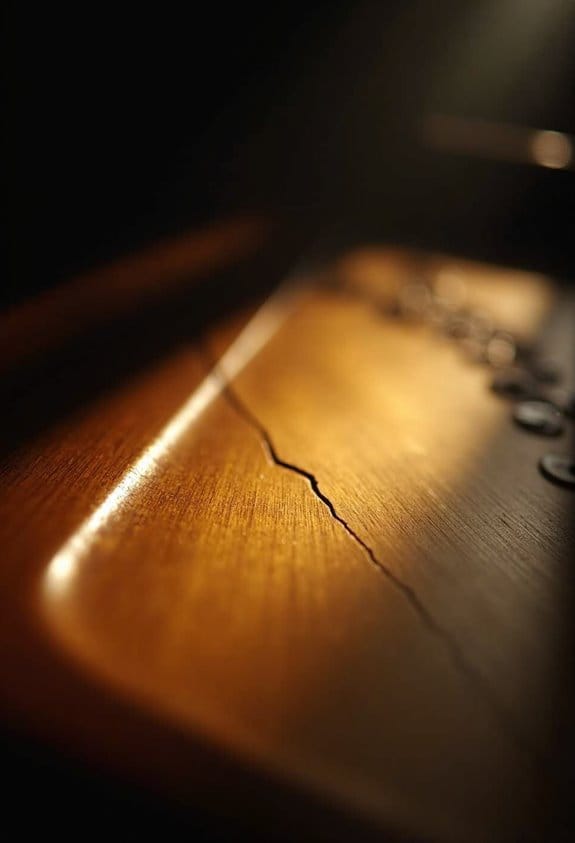
The piano soundboard really is the heart of the instrument—it’s where all the magic takes place! This crucial part amplifies the vibrations from the strings, transforming them into those beautiful melodies we adore. Typically, the soundboard is crafted from spruce, which contributes to its exceptional resonance. Imagine plucking a string, and that wood just making the sound explode with richness!
Did you know the soundboard has a unique curvature known as a crown? This design is key to maximizing its tonal quality, meaning that every note comes out sounding just right. Plus, it’s supported by ribs that not only make it sturdy but also help it maintain its shape over time.
But here’s something interesting: the wood can expand or contract depending on the humidity levels. Sometimes, this can lead to cracks, especially in older pianos. However, many of those seasoned instruments still produce beautiful music, imperfections and all! Isn’t it fascinating how something as straightforward as a piece of wood can create such intricate sounds? As we explore more about pianos, let’s take a look at how different materials influence their overall sound. Proper material quality and durability in piano parts, like hammer shanks and bridle straps, are essential to preserving the instrument’s tonal clarity and playability.
Why Do Piano Soundboards Crack?
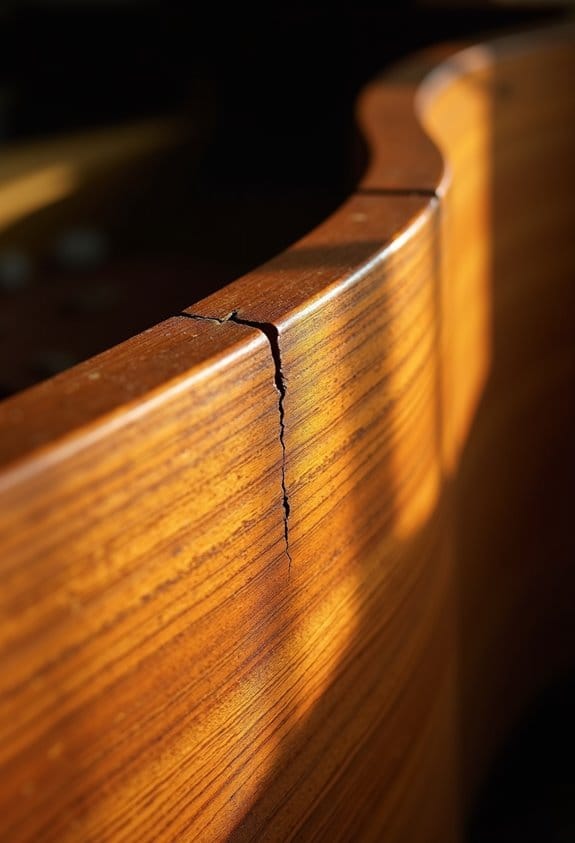
Did you know that cracks in piano soundboards are actually pretty common? It’s all part of what happens when wood reacts to changes in humidity and temperature. For instance, when the air gets really dry, wood can shrink, leading to those frustrating cracks in the soundboard. Seasonal shifts play a big role in this, too—think about how your skin gets dry in winter!
If you have an older piano, it’s even more vulnerable to these issues. The wood might lose some of its elasticity, which can compromise the overall structure. When you play, the vibrations can make these cracks worse. You might even hear some buzzing sounds as a result. Keeping humidity levels stable is really important. A good rule of thumb is to keep your piano in a room with humidity around 40-50%.
Using hard maple shanks in the piano’s action can help maintain stability and sound quality despite environmental changes.
Are All Soundboard Cracks Serious?
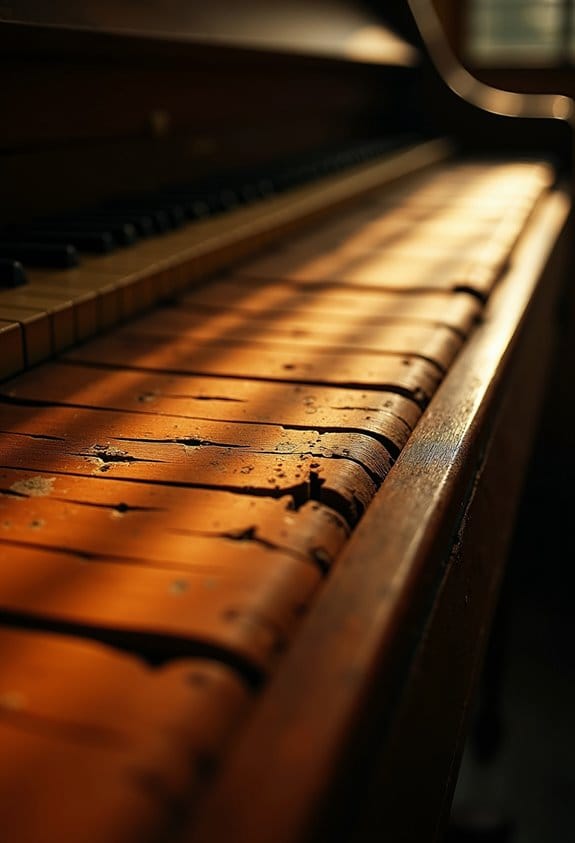
Hey there! So, let’s chat about cracks in piano soundboards – it can sound a bit scary, but not all cracks are a big deal. You know those minor hairline cracks you sometimes see? Good news! They usually don’t affect how your piano sounds or plays. Isn’t that a relief?
Now, if you come across extensive cracking or a large split, especially near the bridge, that’s when you might want to get a professional involved. For example, if you notice a pronounced crack that seems to be getting bigger, it’s a good idea to call a piano technician for help. They can really assess the situation and provide guidance.
But here’s something interesting: every piano reacts differently. Some stable cracks might not cause any buzzing or rattling and can be perfectly fine. Just keep an eye on them! If you start seeing changes, addressing those cracks sooner rather than later can help keep your piano in top shape. Remember, even with a few scars, your piano can still produce beautiful music! Speaking of maintenance, let’s go over how to care for your piano to keep it sounding its best.
One of the most important factors in preventing soundboard cracks is maintaining consistent humidity levels around 40-60% to keep the wood stable.
Effects of a Cracked Soundboard on Tone and Structure
Hey there! Have you ever noticed how a cracked soundboard can really shake things up for a piano? It’s true! Those little cracks can mess with the piano’s vibrations, which ultimately affects its tone. But no need to freak out over minor or hairline cracks—they usually aren’t a huge deal and might not change how your favorite pieces sound too much.
Now, let’s talk about what happens when cracks get serious. If the cracking is extensive, it can actually mute the soundboard’s crown. This means that the resonance of the sound can get dull and lifeless, which definitely isn’t ideal for a concert-ready piano. In some cases, you might even end up with buzzing noises if the ribs inside start to separate. Imagine playing a beautiful melody only to be interrupted by an unexpected buzz—definitely not the vibe you want! Using proper microphone placement can help minimize capturing these unwanted noises during recording sessions.
Evaluating a Piano With a Cracked Soundboard
Evaluating the condition of a piano with a cracked soundboard is a bit like being on a treasure hunt—there’s a lot to uncover! First things first, take a close look at the cracks. The severity and location really matter. Generally, hairline fractures aren’t as concerning as larger splits. For instance, a small crack near the edge might not impact sound, while a larger one in the center could be more problematic.
As you play, pay attention to any buzzing or rattling noises. These could hint at more significant issues, like separation at the rib glue joints, which can affect how the piano resonates. If you hear something odd, it’s worth noting for later.
Next, don’t overlook the bridge attachments! Checking how well these are secured can give you clues about the overall health of the piano. Weak attachments might lead to uneven tone or even more damage down the line.
Think about the age of the instrument too. Sometimes, older pianos have cracks that change their tone but aren’t necessarily a deal-breaker. For example, a vintage piano might have a crack that gives it character, even if it needs some TLC.
If you want the best assessment, chatting with a certified piano technician is always a good idea. They can help you understand what repairs are possible and how you might be able to bring back that lovely sound. So once you’ve evaluated those cracks, getting a professional’s opinion could be the next step on your journey!
Also, evaluating the hammer felt condition can provide insights into how the piano’s sound and responsiveness may be affected by the soundboard issues.
When to Ignore a Soundboard Crack
Have you ever noticed a little crack in a piano’s soundboard and wondered if it’s something to worry about? Well, in most cases, it’s really not! Those tiny hairline cracks are super common, and most of the time, they don’t mess with how your piano sounds or plays. If the crack is only about 1/16 inch wide and isn’t causing any buzzing noises, you can probably leave it be when you’re playing.
Think about it this way: older pianos are like us—they show some wear over the years, especially because of changes in temperature and humidity. Just as you might have a favorite pair of shoes that’s a bit scuffed but still comfy, a piano with minor cracks can still deliver beautiful music! Just keep an eye on the overall condition, and you’ll be in good shape to continue enjoying those lovely melodies without a hitch.
Additionally, understanding the impact of arrangement complexity can help pianists decide when a crack might actually affect their instrument’s performance.
Recommended Products

【36PCS Piano Tuning Kit】1* Storage bag,1* Piano Tuning Wrench,1* 440hz Tuning fork,4* Rubber wedge mute,2* Rubber mute stick,2* Felt Mute,1* Temperament Strip,1* Nylon mute clamp,1* Penetration Needle,2* Tweezers,1* Awl,1* Pencil,1* Vernier Calipers,1* Hammer,14* Screwdriver Set,1* Gradienter,1* Wooden Stop Bar.
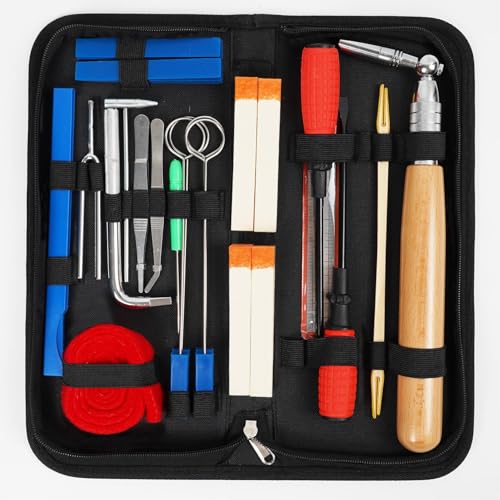
26-Piece Piano Tuning Tool Set:1* Storage Bag, 1* Piano Tuning Hammer, 1* 440Hz Tuning Fork, 4* Rubber Wedge Mutes, 4* Rubber Mute Rods, 4* Wool Mutes, 1* Temperament Strip, 1* Nylon Mute Clip, 1* Piercing Pin, 2* Tweezers, 1* Awl, 1* Flathead Screwdriver, 1* Phillips Screwdriver, 1* Hammer, 1* Steel Ruler, 1* Wooden Mute Bar.

【Money-Saving】Piano Tuning is not as hard as you thought. Save your money from the old upright piano tuning cost. Piano tuning tools kit with the whole necessary tools, great value for the price.
When a Soundboard Crack Needs Attention
Hey there! So, let’s chat about those pesky cracks in a piano soundboard. You might think they’re just a little cosmetic issue, but if they’re bigger than a pencil tip, it’s time to take them seriously! When cracks pop up, especially those over 1/16 inch, it’s a good idea to have a professional take a look. Why? Because they could signal some deeper structural problems that need attention.
Have you ever noticed a buzzing sound or some rattling when you play? That could be a red flag for those serious cracks that mess with the tonal quality of your beautiful instrument. Pay extra attention if you spot cracks under the bridge or multiple cracks appearing. For example, if you see a rib that’s starting to separate, addressing it right away can save a lot of trouble down the line. And if there are any signs of past repairs, like shims or glue used, that could mean ongoing issues that aren’t resolved.
Keeping an eye on these details is key to ensuring your piano stays in the best condition. You’ll be surprised how much the sound can change with the right proactive measures! If you’re curious about how to spot other potential issues with your piano, let’s dive into that next. Proper sound absorption efficiency through acoustic panels can also help maintain clarity and quality by reducing unwanted noise reflections in your piano’s environment.
Recommended Products

The Ultimate Practice Keyboard for Beginners - Portable, lightweight, and easy-to-use music keyboard with built-in speakers delivering rich sound for an authentic and inspiring playing experience

Beat Production, Anywhere - Ultra-portable, feature-packed and USB powered pad controller with 16 thick fat MPC pads for triggering drums, melodic samples, effects and more

Music Production and Beat Maker Essential -USB powered MIDI controller with 25 mini MIDI keyboard velocity-sensitive keys for studio production, virtual synthesizer control and beat production
Recommendations for Piano Buyers Confronting a Cracked Soundboard
Hey there! So, you’re thinking about buying a piano with a cracked soundboard? Let’s talk about what that means and how to handle it. First off, take a good look at those cracks. Are they just small surface ones, or do they look like they could really mess with the sound? You don’t want to pick a piano that sounds like it has a cat stuck inside it! Give it a test play—if you hear any strange buzzing noises, that’s a significant warning sign.
Getting a qualified technician to check it out is crucial when you’re dealing with a cracked soundboard. They’ll look at the damage and help you decide whether it’s worth fixing or if you should just move on. Remember, consulting a pro doesn’t cost anything! For example, if you play a few chords and notice some buzzing, that could be enough for the technician to advise against the purchase.
Also, think about using these cracks as leverage in negotiations. If you find out it’ll cost a lot to patch up the piano, you can negotiate a lower price. If it’s a high-end brand like Steinway or Yamaha, those repairs might be worth it. But with a less-known brand, you might want to think twice. It’s all about weighing your options! To preserve the piano’s longevity and performance, maintaining proper humidity is essential to prevent further damage.
Happy hunting, and don’t hesitate to reach out if you need more tips along the way!
Recommended Products

【From CONCHA CIELO】 Brand Piano Tuning Kit for uprights piano tuning.

Piano Keytops (Short Head Version) - Complete Set of 52 keytops

Piano Keytops - Complete Set of 52 keytops
The Role of Humidity in Soundboard Health
Hey there! Did you know that humidity levels can really affect the health of a piano’s soundboard? It’s fascinating! When humidity is high, the wood can swell and create pressure ridges. On the flip side, low humidity can lead to cracks and separations, which is definitely not what you want for your beautiful instrument.
Think of it this way: the wood in your piano acts like a dancer, moving and shifting as humidity changes. If the dance isn’t in sync, you could end up with some serious structural problems. For example, when humidity drops suddenly, you might notice tiny cracks starting to appear, which can compromise the sound quality. To maintain optimal sound quality, regular adjustments using piano voicing tools can help manage hammer felt density and hardness affected by humidity changes.
Monitoring and Maintaining Your Piano’s Soundboard
Hey there! You know, maintaining a piano’s soundboard is really important for keeping those lovely melodies flowing smoothly. One big part of this is monitoring humidity levels, which should ideally be between 40 and 60%. If it gets too dry or too damp, you might end up with cracks in your soundboard, and nobody wants that!
Now, let’s talk about inspections. You don’t need to be a piano expert for this; just take a moment to look and feel. Check for any tiny hairline fractures on the surface. When you play, listen closely—if things sound a bit buzzing or off, it could mean there’s something wrong.
Oh, and don’t skip booking a session with a certified piano technician! They’re like your piano’s best buddy—they can spot cracks before they become a bigger issue and help provide fixes. Plus, they’ll have tips tailored just for your instrument!
In the meantime, consider using high-quality piano accessories like a damper pedal designed with anti-slip bases and polarity switches to ensure smooth and stable play while your piano is maintained.
Recommended Products

CHERRY FINISH TOWER HUMIDOR: Showcase your cigar collection in style with this premium tower humidor in Elegant Cherry Finish, measuring 22½ inches wide, 16½ inches deep, and 72 inches high. It features a tempered beveled glass door, adorned with a gold-plated lock and key with a luxurious tassel for added elegance.

LUXURY TOWER HUMIDOR: Revel in the sophisticated design of this premium tower humidor, measuring 22½ inches wide, 16½ inches deep, and 72 inches high. It features a dual-pane, tempered beveled glass door, adorned with a gold-plated lock and key with a luxurious tassel for added elegance.

Mist-free evaporative humidification for spaces up to 600 ft² including adjoining spaces that cannot be closed off such as hallways, lofts, and stairways. Based on standard 8-foot ceilings.
Professional Help: When to Call a Technician
When it comes to caring for a piano, knowing when to call in a professional technician can really make all the difference. If you start hearing any buzzing or rattling sounds, that’s your cue! It’s a good idea to have someone take a look at your soundboard to check for any cracks that could mess with your piano’s beautiful music.
Regular check-ups during tuning sessions are also a smart move. Think of it like going to the doctor for a routine check-up; it helps catch potential issues before they get worse. For example, if you notice any cracks larger than 1/16 inch or if they seem to be getting bigger, don’t hesitate to reach out for a technician’s help. They know how to keep your piano in top shape.
Are you thinking about buying a used piano? Always make sure to have a technician inspect the soundboard’s condition first. Nobody likes unexpected repair costs popping up later! Keeping your piano singing sweetly is totally possible with a little expert help. Speaking of which, let’s talk about some common piano care practices you can do yourself!
Recommended Products

Piano accessories key top, the whole piano white keys, a set of 52.

Professional Sound Quality Tuning: Each tool in the professional piano tuning kit has been carefully fine-tuned and calibrated to ensure that your piano sounds accurately and the sound quality is perfect

Professional Sound Quality Tuning: Each tool in the professional piano tuning kit has been carefully fine-tuned and calibrated to ensure that your piano sounds accurately and the sound quality is perfect. Tuning forks rated at 440Hz for precise, error-free tuning
Frequently Asked Questions
What Causes a Piano Soundboard to Crack?
Q: What causes cracking in piano soundboards?
A: Cracking occurs due to fluctuations in humidity and temperature, which stress the materials. Age and the quality of craftsmanship also play significant roles in a soundboard’s vulnerability.
Tip: Keep pianos in stable environments with controlled humidity levels to minimize stress on the soundboard.
Q: How do maintenance practices affect soundboard durability?
A: Regular maintenance can help protect the soundboard from cracking by ensuring the piano remains in optimal condition. Well-maintained pianos are generally more resilient to environmental stressors.
Tip: Schedule regular tuning and inspections to address any issues before they escalate.
Q: What role do environmental influences play in soundboard cracking?
A: Environmental factors, such as sudden temperature changes and high humidity, can significantly weaken soundboard materials. These conditions can cause the wood to expand and contract, leading to cracks.
Tip: Position the piano away from windows, fireplaces, and air vents to avoid extreme environmental changes.
Can You Play a Piano With a Cracked Soundboard?
Q: Can you play a piano with a cracked soundboard?
A: Yes, you can play a piano with a cracked soundboard, but the sound quality may suffer. It’s important to monitor the piano for any further damage or issues.
*Tip: Regularly check for additional cracks or signs of deterioration.*
Q: What should I do if I notice a crack?
A: Performing an impact assessment is essential to understand the extent of the damage. This will help you decide if professional repairs are needed.
*Caveat: Don’t ignore small cracks as they can worsen over time and affect playability.*
Q: How can I enhance the playing experience despite the crack?
A: Employing repair techniques and regular maintenance can improve sound quality. This can include tightening or replacing strings, and ensuring the piano is properly tuned.
*Tip: Consider using a dehumidifier to control moisture, which can exacerbate cracks.**
How Much Does It Cost to Repair a Crack in a Piano Soundboard?
Q: What is the cost range for repairing a cracked piano soundboard?
A: Repair costs can vary from affordable DIY options to professional assessments, which generally range from $100 to $2,500. The exact price depends on the severity of the crack and the repairs needed.
*Tip: For minor cracks, consider attempting a DIY repair first to save costs.*
Q: Why is soundboard maintenance important?
A: Regular maintenance of the soundboard ensures the longevity of the piano and can improve its sound quality. Proper upkeep might also affect insurance coverage if damage occurs.
*Caveat: Neglecting maintenance can lead to more severe damage and higher repair costs in the future.*
How Long Does a Piano Soundboard Last?
Q: How long does a piano soundboard last?
A: A piano soundboard can last several decades, depending on factors such as the materials used and environmental conditions. Regular maintenance is crucial for prolonging its life.
*Tip: Keep your piano in a stable climate, away from direct sunlight and humidity, to help preserve the soundboard.*
Q: What factors influence the lifespan of a piano soundboard?
A: The soundboard’s lifespan is influenced by materials, climate impact, and overall maintenance. Quality construction and environmental stability can significantly enhance longevity.
*Caveat: Neglecting regular maintenance can lead to quicker deterioration, so ensure consistent care.*
Q: How can regular maintenance affect the soundboard?
A: Regular maintenance, including a consistent tuning schedule, can improve sound production and prolong the life of the soundboard. Proper care routines are essential for optimal performance.
*Tip: Schedule professional tuning at least twice a year to keep your piano sounding its best.*


