As an Amazon Associate, we earn from qualifying purchases. Some links on this site are affiliate links at no extra cost to you. Our recommendations are based on thorough research and editorial judgment.


How Temperature Changes Affect Your Piano’s Tuning

Are you a pianist struggling to keep your piano in tune? If so, you’re not alone!
You may be interested


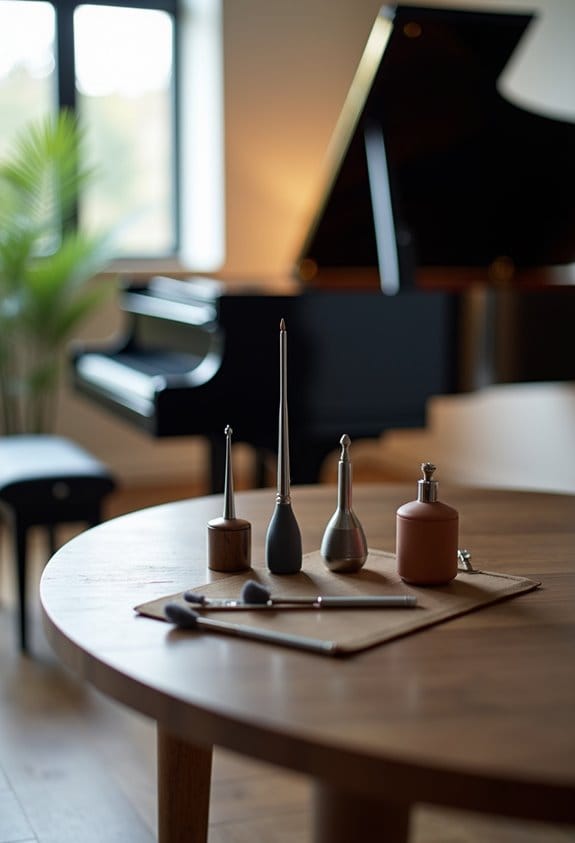
Temperature changes can significantly affect your instrument’s tuning, leading to frustrating and inconsistent sound quality. When temperatures dip below 65°F, the wooden components of your piano contract, resulting in a dull tone.
On the flip side, extreme heat above 80°F tightens the strings, causing rapid detuning. Additionally, high humidity can cause wood to swell, creating a sharp pitch.
Understanding how temperature and humidity influence your piano will help you take better care of your instrument.
Stay tuned to learn effective tips for protecting your piano from these climate-induced tuning troubles!
Key Takeaways
- Temperatures below 65°F can cause piano strings to contract, resulting in a dull and flat sound.
- High temperatures over 80°F may lead to strings tightening, causing significant pitch shifts and detuning.
- Sudden temperature shifts cause instability in both wooden and metal components, affecting tuning reliability.
- Maintaining a stable temperature between 68°F to 72°F is essential for optimal piano performance and tuning preservation.
- Regular monitoring of room humidity is crucial, as high humidity can swell wood and cause sharpness in pitch.
Understanding the Impact of Temperature on Piano Performance

Hey there! Let’s chat about how temperature affects piano performance—it’s actually super important! Did you know that pianos really love a comfy temperature range of about 68°F to 72°F? If the temperature strays too far outside this sweet spot, the sound can end up a bit wonky—think of it like a cat trying to sing in the shower; it just doesn’t work!
When it gets warm, the wooden parts of the piano can expand, which increases the tension of the strings and can make the notes sharper than they should be. On the flip side, in cooler temperatures, everything shrinks a bit, which leads to a flat sound—pretty rough for a musician! For example, if you’ve got the thermostat set below 65°F, your piano might suddenly go out of tune. And if there’s a heatwave, you could hear those notes shift dramatically in less than a week!
To keep your piano sounding its best, try to maintain a stable environment. Avoid sudden temperature changes, like placing it too close to a heater or air conditioner. Keep it cozy, and your piano will keep singing beautifully! Using proper equipment like a piano practice pedal can also help maintain consistent performance despite environmental changes. Now, let’s explore how humidity can also affect its performance.
How Temperature Variations Cause Tuning Instability

You know, temperature variations can really play tricks on piano tuning! It’s fascinating how changes in heat and cold can throw a piano off its game. For example, when the temperature rises, the piano strings can expand, which actually raises the pitch. On the flip side, if it gets too cold, those strings contract and the sound goes flat.
Most pianos thrive in a cozy indoor climate, ideally between 65°F and 80°F. If the temperature dips below 65°F, it’s almost like the piano is on a restrictive diet—just not good for the sound! Likewise, if it gets too hot, you could find your piano wandering a couple of notes out of tune in just a week. So, if you notice your piano sounding a bit off, checking the room temperature might just be your first step.
To keep that beautiful sound intact, it’s all about maintaining a stable environment. Sudden temperature changes can really mess with the sound quality by affecting both the wood and the metal parts. Keeping your piano in a consistent climate doesn’t just protect the instrument; it also ensures you always get to enjoy those rich, harmonious notes. Speaking of harmony, let’s chat about how humidity affects our musical friends next! It’s also important to monitor the humidity level alongside temperature for optimal piano care.
The Ideal Temperature Range for Pianos

Hey there! You know, pianos might seem like they can handle anything, but they actually do best when kept in a cozy temperature range. Ideally, it’s between 68°F and 72°F (or 20°C to 22°C) to keep those beautiful melodies flowing! Staying within this range is key to keeping the piano in tune, so it sounds just right when you play.
If the indoor temperature dips below 65°F, that can make the strings contract, resulting in a dull, flat sound. Imagine how disappointing that would be during a performance! On the other hand, if it gets too hot—think above 80°F—the piano can go out of tune really quickly. That’s definitely not the vibe you want while you’re trying to impress your friends!
To keep your piano in top shape, it’s all about maintaining a stable environment. Gradual changes in temperature are much easier on a piano than sudden shifts. So, whether you’re cranking up the heat for a cozy winter night or keeping the air conditioning running in the summer, just remember: a happy piano leads to happy music! Speaking of which, have you experimented with different piano techniques lately?
Also, regular maintenance and checks for worn parts can help your piano stay in perfect playing condition despite temperature variations.
Recommended Products

Smart Features: The Govee Wireless Thermometer Hygrometer supports all basic functions as well as smart functions such as remote monitoring and temp humidity graphs. Our humidity meters are reliable and easy to use for homes, greenhouses and more.(Only supports 164ft Bluetooth connection)

Wellness Indicator: This humidity meter with humidity level icon indicates air conditions - DRY/COMFORT/WET, allowing this humidity sensor to ensure you’re always aware of changes to your home/household with just a quick glance

2-in-1 Thermometer Hygrometer Meter: Built-in probe for unparalleled precision. It serves as both a digital electronic thermometer and a hygrometer, meticulously engineered for indoor environmental monitoring.
Cold Temperatures and Their Effects on Tuning
Hey there! Did you know that chilly conditions can really mess with pianos? When temperatures drop, the wooden parts of the piano start to contract, which makes the strings loosen up. As a result, the piano can go out of tune pretty quickly. Isn’t that surprising?
For instance, if the room temperature dips below 65°F, you’ll notice the sound getting dull, and when it falls into the 50s, the string contraction really takes off—it’s like the piano just can’t keep it together! To avoid this, it’s best to keep things cozy—aim for a comfortable room temperature between 68°F and 72°F. A stable environment really helps in maintaining a piano’s pitch. Additionally, using piano felt pads can protect your keys and help maintain sound quality despite temperature fluctuations.
The Dangers of Extreme Heat on Piano Tuning
Hey there! Did you know that extreme heat can wreak havoc on piano tuning? When those summer temperatures climb above 80°F, your beloved piano can start to wander off-key, drifting a couple of notes every week. It’s kind of like how you might feel sluggish in the heat—you just don’t perform your best!
Now, if things heat up inside your home to over 90°F, the strings can tighten up so much that they slip by a half-semi-tone in just a few days! That’s some serious tuning trouble. Plus, the wood in your piano can swell, which makes all those strings even tighter and the notes sharper. It’s a bit like trying to sing when you’ve just chugged a gallon of water—everything feels out of whack!
And here’s a little tip: if you can, try to keep your piano in a climate-controlled room. This will not only help with tuning stability but also protect the overall sound quality of the piano over time. Remember, a cool piano really is a happy piano! So, let’s chat about how you can care for your piano and keep it sounding its best, no matter the season. Using humidity indicators regularly can help you monitor and maintain optimal conditions to avoid costly repairs.
The Importance of Maintaining Consistent Temperature
Hey there! Did you know that maintaining a consistent temperature for your piano can really make a difference in how it sounds? Keeping your piano cozy in a range between 68°F and 72°F is key because sudden temperature swings can mess it up. Imagine if your piano’s wood and metal parts start expanding and contracting with the heat—those strings just won’t stay in tune!
If the temperature drops below 65°F, you’re likely to hear your piano losing pitch, which is something you definitely don’t want. And just as a heads up, if it gets too warm—above 80°F—that can speed up the detuning process even more! So, how can you keep your piano happy? Try placing it away from drafty windows or heat sources like radiators.
Regular maintenance, including checking your piano’s springs for wear, helps ensure it stays in top playing condition despite temperature changes.
Recommended Products
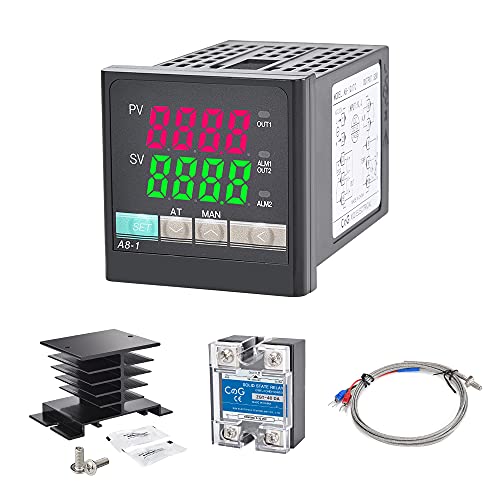
【Alarm Output】With one alarm relay output: AC220V/DC30V 3A (Resistive load) ON/NC, you may connect it with a buzzer.

✨【Modern Smart Design, 40°C Thermostat】High-precision thermostat technology, fast response, and automatic adjustment ensure a consistent water temperature for a comfortable shower experience. Food-grade silicone resists discoloration over time and automatically removes scale without residue.
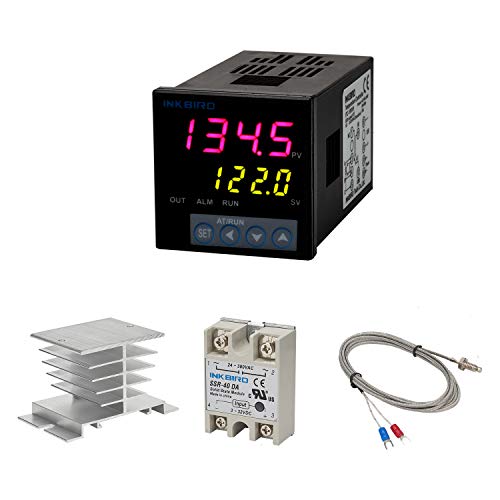
Alarm Output: With 1 alarm relay output, AC250 V, 3 A (Resistive load), ON or NC, you can wire a buzzer
Humidity’s Role in Piano Tuning Stability
Did you know that humidity plays a huge role in keeping your piano in tip-top shape? It’s not just about temperature! When the humidity changes, it can really throw things off. For instance, if the humidity is high—over 50%—the wooden parts of your piano can swell. This can actually sharpen the pitch. On the flip side, when humidity is low, the wood shrinks, which can loosen the strings and make your piano sound flat.
So, how can you keep your piano sounding great? Try to maintain consistent humidity levels between 45% and 55%. One way to do this is by using a hygrometer to check the moisture levels in the room regularly. If it gets too humid, a dehumidifier can help, while a humidifier is perfect for those dry spells. Just imagine your piano in a cozy environment, staying perfectly tuned—no surprises there!
Maintaining the right humidity not only keeps your instrument in shape, but it also enhances your playing experience. Regular adjustments, including tuning and key weight modifications, are essential to optimize your piano’s performance and longevity, ensuring consistent playing comfort over time. So, be mindful of the climate where your piano lives, and it’ll reward you with beautiful sound for years to come!
Recommended Products

Dampp-Chaser Piano Humidifier Treatment - 16 oz. Bottle

Formulated to reduce mineral build-up in Dampp Chaser Systems
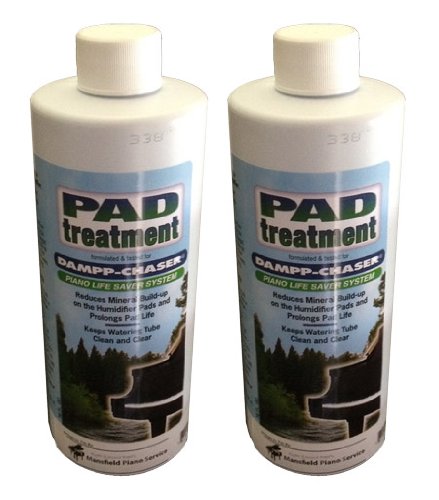
Dampp Chaser Piano Humidifier Pad, Treatment, 16 oz Bottle, Value Pack, 2 Pack
The Effects of Low Humidity on Pianos
Did you know that low humidity can cause some big issues for pianos? When the air gets too dry, especially below the ideal humidity levels, the soundboard of your piano can actually shrink. This can loosen the strings, making the pitch drop, which is never a pleasant surprise when you sit down to play. Imagine hitting a note and it just sounding flat—definitely not what you want!
As the humidity falls below 45%, parts of your piano, like the wood and felt, can become brittle. This not only affects how your instrument performs but can also lead to cracks and structural damage if it continues over time. To keep an eye on the humidity, a hygrometer is super handy; it tells you exactly what’s going on in your piano’s environment.
Aim to keep your humidity levels between 45% and 55%. And here’s a tip: if you notice it’s getting dry, you might want to adjust your piano tuning a little more often. Regular tuning helps keep everything sounding just right! Plus, consider looking into a humidity control system to protect your investment. Keeping your piano in great shape really pays off in the sound it produces, don’t you think?
For young pianists, using adjustable piano pedal extenders can support proper posture even in fluctuating environmental conditions, ensuring effective practice despite changes in tuning.
Excessive Humidity and Its Impact on Tuning
Hey there! Did you know that excessive humidity can really throw off your piano’s tuning? When the humidity level goes above 55%, the soundboard of the piano can swell. This swelling can loosen the tension on the strings, causing the pitch to sound sharper than you would want. Imagine trying to hit the right note, but it comes out sounding a bit off—that’s the kind of trouble humidity can cause!
Another issue with high humidity is something called pin seizing. This happens when the moisture fluctuates so much that the tuning pins struggle to grip the strings properly. It’s like attempting to hold onto a slippery bar of soap—frustrating, right? To keep an eye on your piano’s environment, grab a hygrometer. It’s a handy tool that measures humidity levels, and you’ll want to keep it close!
One effective solution is to use a dehumidifier. Think of it as pampering your piano; it helps create a stable environment that keeps everything in check. Taking these steps ensures that your piano stays in tune and sounds its best. Next, let’s talk about how temperature can also affect your piano’s performance! Keeping your piano in a room with stable humidity levels, much like maintaining an optimal environment for piano benches, can greatly improve its longevity and playability.
Best Practices for Protecting Your Piano From Climate Effects
Hey there! If you want your piano to sound amazing for years to come, it’s super important to protect it from climate effects. You know how temperature swings and humidity can be tough on wooden furniture? Well, your piano is no different! Ideally, you want to keep it in a climate-controlled room where the temperature hovers around 72°F and the humidity is between 45-55%.
A simple and smart tool to help with this is a hygrometer. This little device measures moisture levels, so you’ll know if you need to run a humidifier or a dehumidifier. And don’t forget about placement—keep your piano out of direct sunlight and away from drafts. Those can make the wood expand and contract, which can really mess with its tuning.
If you’re in a particularly dry area, consider putting a container of water inside the piano. It’s a nifty trick to maintain moisture levels and stop the wood from shrinking. With a bit of care, you can ensure your piano stays in tip-top shape. Plus, it’ll help keep that beautiful sound you love! Ready to learn more about how to keep your piano sounding great?
Using quality microphone accessories can also help capture the true sound of your piano during recordings while minimizing the effects of environmental noise.
Recommended Products

HUMIDIFICATION SYSTEM: D'Addario Humidipak is the only maintenance-free, two-way humidity control system for guitar. Includes pouches and guitar humidifier packs.

The humidity controller ranges from 5 to 99.99% RH

DEHUMIDIFICATION SYSTEM: Automatically maintains the optimal 45-50% relative humidity level within your instrument case by absorbing moisture as necessary.
Professional Tuning and Climate Considerations
If you want your piano to sound its absolute best, protecting it from climate effects is just the starting point! Regular professional tuning every six months is super important. Those wild temperature swings can really mess with your piano’s sound. For instance, if it gets over 90°F, you might notice pitch shifts of half a semitone in just a matter of days. That’s pretty drastic!
Piano technicians are like weather advisors for your instrument. They really need to keep an eye on humidity levels, seasonal changes, and how you control the temperature in your home. Think of it this way: try to keep your piano in a cozy environment between 65°F and 80°F, with humidity levels hovering around 45% to 55%. This way, you can help prevent the wooden parts from expanding and contracting too much – which is crucial for sound quality!
Recommended Products

Designed for use with ALL Dampp Chaser Systems

Designed to reduce mineral build-up
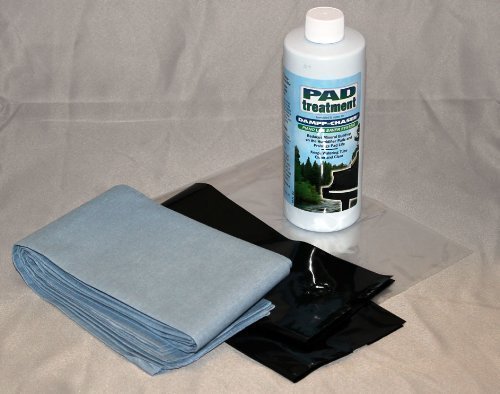
Humidifier Treatment designed to reduce mineral build-up; Prolongs the life of your humidifier and pads
Frequently Asked Questions
Does Temperature Affect Piano Tuning?
Q: Does temperature affect piano tuning?
A: Yes, temperature significantly impacts piano tuning. Changes in temperature can cause wood to expand and metal to contract, which compromises soundboard stability and acoustic performance.
Tip: Regularly monitor the temperature and humidity levels in the room where the piano is kept to maintain optimal conditions.
—
Q: What maintenance is needed for pianos due to temperature changes?
A: Pianos require regular maintenance such as humidity control and seasonal tuning adjustments to counteract the effects of temperature changes. This helps ensure the strings and soundboard remain stable.
Tip: Schedule tuning sessions at least twice a year, ideally in spring and fall, when temperatures fluctuate the most.
—
Q: How often should a piano be tuned?
A: The frequency of tuning can vary based on exposure to temperature fluctuations. Generally, it’s recommended to tune a piano at least twice a year, especially in regions with significant seasonal temperature changes.
Caution: Ensure that the piano is tuned only after it has acclimated to its environment, as tuning too soon can lead to inaccuracies.
How Does Temperature Affect Tuning?
Q: How does temperature affect tuning stability?
A: Temperature impacts tuning stability by altering string tension and causing the soundboard to expand or contract. This variation can lead to significant changes in how an instrument sounds.
*Tip: Regularly check the tuning of your instrument when temperatures fluctuate, especially when moving between environments.*
Q: What role does humidity play in tuning?
A: Humidity influences the wood of the instrument, which can swell or shrink, affecting its acoustic properties and overall tuning. Instruments are particularly susceptible during seasonal changes.
*Caveat: Keep your instrument in a climate-controlled environment to minimize humidity-related tuning issues.*
Q: Why is regular maintenance important for tuning?
A: Regular maintenance helps address the effects of temperature and humidity on tuning, ensuring consistent sound quality and performance. This includes periodic tuning and adjustments to accommodate environmental changes.
*Tip: Schedule routine check-ups with a professional to keep your instrument in optimal condition.*
What Temperature Is Best for a Piano?
Q: What is the ideal temperature for a piano?
A: The optimal temperature for a piano is between 68°F and 72°F. This range promotes the best acoustic performance and helps maintain the quality of the instrument’s materials.
Tip: Avoid placing your piano near heat sources or drafty windows to help keep the temperature stable.
Q: How does humidity affect a piano?
A: Consistent humidity levels are crucial for a piano’s longevity and tuning frequency. Fluctuating humidity can lead to issues with tuning and can damage the piano’s internal components.
Tip: Consider using a hygrometer to monitor humidity levels and invest in a piano humidifier or dehumidifier as needed.
Q: Why is climate control important for a piano?
A: Climate control minimizes temperature fluctuations, which can harm the integrity of a piano’s materials over time. It also helps maintain consistent sound quality.
Tip: If you live in an area with extreme seasonal changes, consider placing your piano in a climate-controlled room to protect it from the elements.
Can a Piano Be Stored in an Unheated Garage?
Q: Can a piano be stored in an unheated garage?
A: No, storing a piano in an unheated garage is not advisable due to temperature extremes and lack of humidity control, which can damage the instrument over time. It’s essential to keep pianos in a climate-controlled environment to preserve their longevity.
*Tip: If you must store it in the garage, consider using a high-quality piano cover and a dehumidifier to help mitigate some risks.*
Q: What are the consequences of improper piano storage?
A: Improper storage can lead to issues like warped wood, stuck keys, and a general decline in sound quality. These problems can significantly shorten the life of the piano and affect its playability.
*Tip: Regularly check on your piano’s condition, even in storage, to catch any potential issues early.*
Q: What are the best practices for piano storage?
A: The best practice is to store a piano in a climate-controlled room with stable temperature and humidity levels. Keeping it away from direct sunlight, heat sources, and cold drafts also contributes to better preservation.
*Tip: Place a hygrometer in the room to monitor humidity levels and adjust as needed to keep them between 40-60%.*
Q: Is insulation important for piano storage?
A: Yes, good insulation can help protect the piano from temperature fluctuations and humidity changes. If you want to store your piano in a garage, insulating the space can make a significant difference in preventing damage.
*Tip: Consider insulating the garage walls and doors or using a portable heater during extreme weather conditions.*


