As an Amazon Associate, we earn from qualifying purchases. Some links on this site are affiliate links at no extra cost to you. Our recommendations are based on thorough research and editorial judgment.


How to Store a Piano During Moving or Renovation

Are you preparing to move or renovate while trying to figure out how to store your beloved piano? Proper storage is crucial to ensure its safety and functionality.
You may be interested



In this guide, you’ll learn essential tips to protect your musical instrument during the transition. From securing delicate parts and wrapping pedals and keys to selecting a climate-controlled space, we’ll walk you through the best practices to safeguard your piano from extremes.
You’ll also discover how to position it for maximum safety and even how to ease it back into making beautiful music after a period of rest.
Let’s dive in and keep your piano in pristine condition through your move or renovation!
Key Takeaways
- Clean and secure the piano, wrapping pedals and keys with bubble wrap or blankets to prevent damage during transport.
- Choose a climate-controlled storage environment to maintain consistent temperature and humidity levels.
- Store the piano upright in the center of the room to protect its structure and enhance air circulation.
- Use breathable covers to shield the piano from dust while avoiding plastic that can trap moisture.
- Allow the piano to acclimate for two to four weeks before resuming heavy playing upon reintroducing it at home.
Preparing Your Piano for Storage

Hey there! So, if you’re looking to prepare your piano for storage, don’t worry! It’s not as daunting as it sounds. First things first, you’ll want to secure the lid. Closing and locking it helps keep those fragile parts safe from any bumps or knocks.
Next, let’s take care of those pedals. You can use Bubble Wrap or some thick moving blankets to wrap them up—trust me, you really don’t want to deal with broken pedals when you finally take your piano out again! Also, getting a good piano cover can protect it from dust and scratches during the move, so keep an eye out for those.
Before tossing it into storage, give your piano a good cleaning. Wipe away any dust, and check for any critters that might have made it their home. Once it’s spotless, take a moment to inspect and tune it. This little task now will save you from headaches later!
Lastly, snap some photos of your piano’s condition. These pictures will be super helpful if you ever need to reference how it looked before. It’s almost like giving it a little time capsule moment! Now that you’re all set with storage, what about knowing how to maintain it while it’s tucked away? Let’s chat about that!
Using proper installation techniques during any maintenance or repairs before storage ensures your piano remains in great condition and performs well afterwards.
Recommended Products

【QUALITY MATERIALS】: This upright piano cover waterproof is made of high quality waterproof coated fabric, which can block out light and heat, and prevent the paint from aging to a greater extent, and it is very soft, smooth and durable.

The cover material of our quilted piano cover is made of taffeta and waterproof coating fabric;The interior material is made of soft and fluffy cellucotton.

【Protect Piano & Maintain Sound】Full cover design can well protect your piano, preventing moisture and dust from entering the keyboard to maintain the piano’s beautiful sound and prolong its service life. In the meanwhile, a piano cover can protect against accidental collisions with children or pets.
Choosing the Right Storage Environment

Finding the right storage environment for a piano can feel like a bit of a treasure hunt, but trust me, it’s super important if you want to keep that beautiful instrument in great shape! First off, think about climate-controlled environments. These kinds of spaces keep the temperature steady between 68-72°F and the humidity just right at about 42-50%. This is crucial because pianos are quite sensitive to changes in temperature and moisture.
Now, let’s skip the idea of stashing your piano in a garage or basement—pianos really struggle with temperature fluctuations. Also, make sure to store your piano upright; laying it down can seriously mess with its inner workings and structure.
When you’re choosing a storage unit, look for one that’s clean and free from pests. You’ll want to avoid putting your piano against an outside wall, as that can expose it to temperature changes. Instead, try placing it in the center of the room; this helps with air circulation and keeps it well-ventilated. Keeping these tips in mind will make storing your piano much smoother! And while you’re at it, don’t forget about regular maintenance checks to keep it playing beautifully. Using a humidity sensor can help you monitor and maintain the ideal environment throughout storage.
Recommended Products

Innovative Humidity & Temperature Guitar Monitor Easily Clips Directly onto Your Acoustic or Electric Guitar Strings
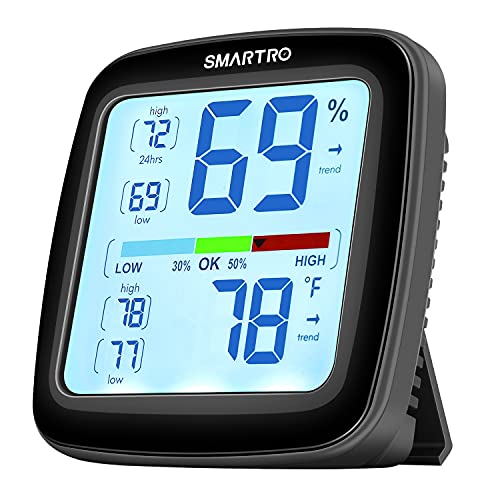
The Best Industrial Grade Accuracy: Humidity gauge with built-in Swiss sensors, it detects subtle humidity and temperature changes and updates readings in each 10 seconds. Temperature tolerance is within 0.5℉(-4 to 158℉) and humidity is 2%RH (1 to 99% RH). The digital hygrometer is pre-calibrated for accurate temperature and humidity measurement.

Safeguarding Your Piano During Transport

Transporting a piano is super important to get right if you want to keep it in good shape! First off, hiring a professional piano moving company can really save you a lot of headaches. These guys know exactly how to handle such delicate instruments, which helps prevent any bumps or scratches that could occur during the move.
Using specialized piano dollies and thick moving blankets is key. They not only cushion the piano but also keep it from getting scratched. And don’t forget—before you start moving, wrap the keys and pedals in bubble wrap. No one wants their piano to sound like a squeaky toy!
It’s also crucial to avoid putting the piano in an unconditioned moving truck. Extreme temperatures can warp the wood, and that’s the last thing you want. After everything is settled in its new home, take a moment to check for any minor damages. Catching any small issues early can make a big difference for your piano down the line!
To keep your piano pedals in optimal condition during the move, protecting them with padding and ensuring their connections are secure can avoid any functional issues. Pedal maintenance is just as important as the instrument itself.
With your piano safely moved, you can now focus on settling it into its new spot. Let’s talk about how to set it up so it sounds great and looks amazing in your space!
Recommended Products

Professional Moving Blanket -- 40" x 72" moving & packing blankets that provide exceptional damage protection from scratches, dirt, and moisture when moving or transporting furniture, appliances, and other valuable large items. It's also handy to pad moving boxes when shipping fragile items.

Heavy-Duty Capacity: Made with high-quality materials, this flat dolly can carry up to 551 lbs. Whether it's plants, goods, or large furniture, moving heavy items is effortless, saving you time and energy.

Professional-grade: Oversized, 72" x 40" premium quality moving pads that provide exceptional damage protection from scratches, nicks, dirt, and moisture when moving or transporting furniture, appliances, and other valuable large items
Best Practices for Piano Positioning in Storage
So, you’ve got your piano all set up in its new spot, huh? Now, when it comes to piano positioning in storage, it’s really important to keep a few things in mind. First off, always make sure the piano is stored upright. It’s not just for looks – it protects all those delicate internal mechanisms.
Next, think about where you place it. Try to avoid putting it against outside walls. You definitely don’t want to expose your beloved instrument to temperature swings, like those chilly winter drafts or hot summer sun. Instead, find a nice, climate-controlled corner.
Also, give your piano some breathing room! Aim for a few inches between the piano and the walls. This little gap promotes air circulation, which helps prevent moisture buildup—an enemy to your instrument. And when it comes to dust, breathable covers can be your best friend. Just skip the plastic wraps since they can trap moisture and create problems.
If you’re ever in doubt about the best setup for your piano, don’t hesitate to reach out to a professional piano technician. They’re like your personal guide when it comes to keeping your piano in tip-top shape. Now that your piano is cozy in its new home, let’s move on to caring for it through different seasons!
Regular maintenance, including checking the piano hammer replacements, plays a crucial role in preserving your piano’s sound quality and performance even during storage.
Recommended Products

Suitable for keyboard: Fit For Upright Piano, Electric Piano & Grand piano,One size fits all

PERFECT FOR KEYBOARDS -- Fit for all kinds of keys models, easy to use, just put it on keyboads, stays secure, and simple to take off.
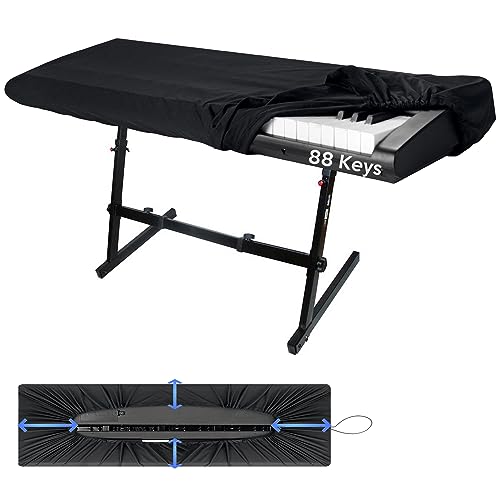
🎹HIGH QUALITY 88 KEYS PIANO KEYBOARD COVER: Our piano keyboard cover for 88 keys, made of high elasticity spandex, with adjustable heavy-duty round elastic and ABS cord lock at the bottom. Our 88 key keyboard cover can wrap your keyboard tight, keep away hair, pet fur, dust, food residues and other uninvited disturbance, keep your keyboard neat & clean.
Reintroducing Your Piano at Home After Storage
Bringing your piano back home after it’s been in storage can be really exciting, but it does require a bit of care! After you’ve moved the piano into its spot, it’s important to let it settle in for about two to four weeks. This acclimation period is crucial since changes in temperature and humidity can really impact how well it plays.
During these weeks, avoid heavy playing—it’s not the time for a full concert! Instead, treat it to some light playing, just to say hello and help it get used to its new surroundings again. Before you even think about tuning, give it a good look over for any maintenance issues. For instance, check if the keys are sticking or if there’s any visible dust or damage.
Once your piano has had some time to adjust, it’s a good idea to schedule a tuning session with a professional technician. Make sure to mention what the storage conditions were like since that information can help them give you tailored advice. After all, maintaining a happy piano means you’ll be rewarded with beautiful music once it’s fully ready to play! Keep this process in mind, and you’ll have your piano sounding great in no time. Regularly monitoring the piano’s humidity levels during acclimation helps prevent damage from moisture and keeps it in optimal condition.
Recommended Products

Dampp-Chaser Piano Humidifier Treatment - 16 oz. Bottle

Formulated to reduce mineral build-up in Dampp Chaser Systems

Dampp Chaser Piano Humidifier Pad, Treatment, 16 oz Bottle, Value Pack, 2 Pack
Frequently Asked Questions
How to Protect a Piano During Renovation?
Q: How can I protect my piano during renovation?
A: Use high-quality piano covers along with cushioning materials and moving blankets to shield it from dust and debris. Ensure that the piano is placed in a secure area away from renovation activities to prevent accidental impacts.
*Tip: Consider temporarily relocating the piano to a different room if possible to further minimize risk.*
Q: What should I keep in mind regarding climate control?
A: It’s important to monitor humidity levels around the piano during renovation to prevent damage to its delicate components. Aim for a stable environment to maintain the instrument’s integrity.
*Caveat: Avoid leaving the piano near windows or doors where external weather changes could affect humidity levels.*
Q: What types of surfaces should I avoid placing my piano on during renovation?
A: Avoid placing your piano on hard surfaces that can transmit vibrations or impacts, as these can harm its fragile parts. Instead, use soft mats or carpets to provide additional cushioning beneath the piano.
*Tip: Use furniture sliders under the piano’s legs if you need to move it, as they can help protect the surface underneath.*
How Do Professional Movers Move a Piano?
Q: How do professional movers ensure the safe transport of a piano?
A: Professional movers utilize precise techniques and specialized equipment to secure the piano during transport. They are trained to skillfully navigate potential challenges associated with moving both grand and upright pianos.
*Tip: Always check that the movers have experience specifically with pianos to reduce the risk of damage.*
Q: What kind of insurance do professional movers provide for piano relocation?
A: Professional movers often offer piano moving insurance to further protect against any potential damages during transportation. This insurance provides peace of mind for the owners while the piano is being moved.
*Caveat: Read the policy carefully to understand what is covered and any exclusions that may apply.*
How to Pack a Piano for Moving?
Q: How do I secure a piano for moving?
A: Use protective covers to shield the piano from scratches and damage during transport. To keep it secure, wrap it tightly and ensure that no parts are exposed.
*Tip: Consider using moving blankets in addition to covers for added cushioning.*
Q: What should I use to help with weight distribution?
A: Utilize moving straps to evenly distribute the weight of the piano while lifting and maneuvering. This will help prevent strain on your back and ensure a smoother move.
*Caveat: Always have at least two people involved in lifting the piano to avoid accidents.*
Q: What kind of transport vehicle is best for moving a piano?
A: Select a vehicle with a spacious, flat surface to accommodate the size and weight of the piano. Avoid using open trailers, as exposure to the elements can damage it.
*Tip: Renting a truck specifically designed for moving large items can provide the best protection and ease of loading.*
Q: How can I ensure the piano is stored properly during transit?
A: Confirm that the storage conditions are ideal, with stable temperature and humidity levels, to prevent damage to the piano materials. Quality packing supplies are essential to safeguard it throughout the journey.
*Caveat: Avoid placing heavy items on top of the piano during transport to prevent pressure-induced damage.*
Do Pianos Come Apart for Moving?
Q: Do pianos come apart for moving?
A: Pianos do not come apart easily for moving. Disassembling a grand piano requires professional expertise due to complications with the frame assembly and components.
Q: What specific parts need attention when disassembling a grand piano?
A: Key areas include careful removal of the keyboard, separation of the pedals, and breakdown of the action mechanism to manage string tension properly. It’s crucial to document the assembly process for reassembly.
Practical Tip: Always consult a professional piano mover to avoid damage during disassembly or reassembly.


