As an Amazon Associate, we earn from qualifying purchases. Some links on this site are affiliate links at no extra cost to you. Our recommendations are based on thorough research and editorial judgment.

How Often Should You Tune Your Piano and Why

If you want your piano to produce beautiful music, understanding how often to tune it is essential.
You may be interested


Acoustic pianos, in particular, benefit from regular tuning—ideally at least twice a year.
This guide is for musicians, whether you’re a hobbyist or a dedicated performer, who wish to keep their instrument sounding its best.
You’ll learn about the optimal tuning frequency based on your playing habits and conditions, plus tips for recognizing when your piano needs attention.
Is your piano making unusual buzzing sounds or not holding its pitch? These signs indicate it’s time for a tune-up.
Stay informed about the best practices for piano maintenance to ensure your musical beauty remains in top shape!
Key Takeaways
- Acoustic piano owners should tune their instrument at least twice a year to maintain optimal sound quality and performance.
- New or used pianos typically require tuning four times during the first year to stabilize pitch and acoustics.
- Regular players may benefit from monthly tuning to ensure consistent sound and enhance their playing experience.
- Environmental factors like temperature and humidity significantly impact tuning stability, necessitating adjustments based on local conditions.
- Signs such as unusual noises or pitch inconsistencies indicate that a piano needs tuning to prevent further issues and preserve its sound quality.
The Importance of Regular Tuning

You know, when it comes to pianos, tuning really isn’t just something you might do—it’s absolutely essential! If you skip regular tuning, your beautiful instrument can start to sound dull or, worse, completely out of whack. Picture this: you’re all set to play your favorite song, but instead, every note feels like a cat has found its way into the piano! Not exactly the vibe you want, right?
Regular tuning keeps those notes ringing true, which helps avoid nasty issues later on that could hit your wallet hard with repairs. Everyone’s piano lives in a unique spot, which means factors like temperature and humidity can change how it sounds. So, if you’re a professional musician, tuning every day is often crucial to keep everything sounding as good as possible. Want to make your playing experience even better? Make it a habit to check in on your piano’s tuning every couple of months—this little effort goes a long way in keeping your music flowing beautifully.
In the end, a well-tuned piano will not only sound amazing but will also make playing a whole lot more fun! Plus, it sets the stage for you to explore new music or experiments with different styles. Using humidity control solutions can help maintain your piano’s tuning stability by preventing damage caused by moisture fluctuations. So, let’s talk about those exciting pieces you can bring to life with your perfectly tuned instrument!
Recommended Tuning Frequency for Different Users
You know, tuning a piano can really depend on who’s playing it! Most acoustic piano owners should aim to tune their instruments at least twice a year to keep them sounding their best. If you’ve just purchased a new or used piano, it’s especially important to have it tuned four times in the first year. This helps the piano adjust and settle in properly.
Now, if you’re someone who plays regularly, you might want to consider tuning your piano every month. This keeps those lovely notes singing sweetly! On the flip side, if you only play occasionally, tuning it once a year might be enough, but honestly, tuning it twice a year is a safer bet to ensure you enjoy the full range of beautiful sounds that your piano can produce.
Additionally, maintaining components like piano jack springs ensures consistent key responsiveness, which complements regular tuning for optimal performance.
Recommended Products

Tools for professionals and students

The 9-piece professional piano tuning wrench set is made of high-strength carbon steel, crafted with exquisite workmanship, and is not prone to rust. The wooden handles are made of beech, designed to rotate the piano tuning pins to adjust the initial tension, thereby raising or lowering the pitch.

COMPLETE PIANO TUNING TOOLS - Pakage contains 9 piano tuning tools that meet the tuning needs and help you tune your piano in time.
Factors That Influence Tuning Needs

Tuning a piano isn’t just about making sure each note sounds right; it’s all about the environment, too! You might be surprised to learn how many factors can influence how often your piano needs tuning. For example, if you live in an area with drastic temperature changes, your piano might need a tune-up four to six times a year!
Where you place your piano matters as well. If it’s near a sunny window or heating vent, those constant shifts in temperature can really throw it off. So, if you’re getting a new piano or moving it to a different spot, expect to schedule four tunings in that first year just for it to settle in.
And let’s not forget about seasonal changes! A simple change from summer to winter can mean your piano needs a few minor adjustments to stay in harmony. So, keep your piano in tune and feel free to reach out to your local tuner regularly! It can make all the difference in how beautiful your music sounds. Now, let’s chat about some common signs that your piano might need attention!
Regular maintenance, including proper use of accessories like the piano damper pedal, can also affect the longevity and tuning stability of your instrument.
Recommended Products

13-piece piano tuning kit: 1* storage bag, 1* Piano Tuning Wrench, 1* 440Hz tuning fork, 3* rubber wedge mutes, 2* rubber mute bars, 2* felt mutes, 1* temperament strip, 1* nylon mute clamp, 1* wooden damper

Piano tuning wool felt temperament strip is designed especially to mute up to two octaves at once. You can mute off the outside strings leaving the center one ready to be tuned.
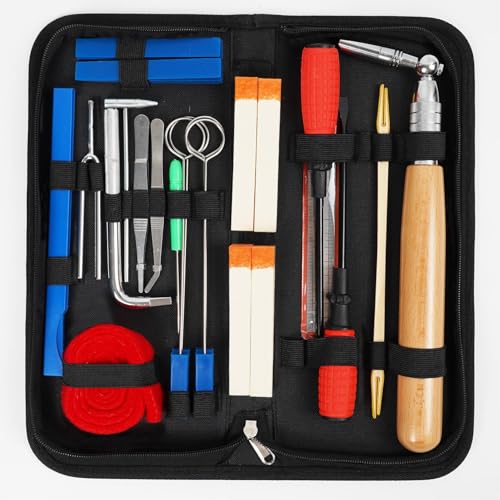
26-Piece Piano Tuning Tool Set:1* Storage Bag, 1* Piano Tuning Hammer, 1* 440Hz Tuning Fork, 4* Rubber Wedge Mutes, 4* Rubber Mute Rods, 4* Wool Mutes, 1* Temperament Strip, 1* Nylon Mute Clip, 1* Piercing Pin, 2* Tweezers, 1* Awl, 1* Flathead Screwdriver, 1* Phillips Screwdriver, 1* Hammer, 1* Steel Ruler, 1* Wooden Mute Bar.
Signs Your Piano Needs Tuning
Isn’t it incredible how a well-tuned piano can sound like a dream? But sometimes, those beautiful notes can turn into a buzzing or twanging mess, which means your piano likely needs tuning. If you ever hear weird sounds instead of the clear tones you expect, that’s a solid sign it’s time for a little maintenance.
One thing you might notice is when the pitches start to feel off, especially in the high notes. Have you ever tried using an online tuner app? They can be super useful for spotting those pesky pitch issues. Just check in every few months to keep things sounding sweet!
Another red flag is the difference in sound between the low and high notes. If you’ve recently moved your piano, give it about three weeks before calling in a tuner; it needs time for the strings to adjust after being jostled around. By keeping an ear out for these signs, you can ensure your piano always sounds its best. And once it’s tuned up, you’ll be back to enjoying playing your favorite pieces! What’s your go-to song to play on your piano? 🎹✨ Regular maintenance, including tuning and adjustments, is key to preserving piano performance longevity.
Recommended Products

The metal shaft is made of hard steel, abrasion resistance.

【From CONCHA CIELO】 Brand Piano Tuning Kit for uprights piano tuning.

Piano Tuning Kit: Includes 9 piano tuning tools: 1 x piano tuning wrench, 2 x rubber mute with hanle, 4 x rubber wedge mute, 1 x felt temperament strip and 1 x storage bag. Meet your tuning needs and help you tune piano in time
The Impact of Temperature and Humidity on Tuning Stability
Hey there! If you’re into pianos, you’ve probably noticed how temperature and humidity play a huge role in keeping them in tune. It’s pretty wild—these elements cause the wooden parts of your piano to expand or contract, which messes with the string tension and changes the pitch. Just imagine your piano joking, “Yikes! I’m feeling sharp today!” because it’s too humid!
To keep your piano sounding its best, aim for indoor humidity levels between 30% and 50%. Think of humidity like a balloon—too much of it can make the notes rise, while too little can let them sink. For example, in the summer when it’s muggy outside, your piano might need more frequent tuning to keep everything balanced.
If you live somewhere with extreme seasonal changes, a humidifier or dehumidifier can be super helpful. It’s a simple way to combat those pitch problems. Just keep an eye on those humidity levels, and your piano will reward you with beautiful music! Speaking of music, let’s chat about how temperature affects your piano’s performance too!
Regular tuning should be complemented by occasional action regulation to maintain optimal touch and sound quality.
Recommended Products

Dampp-Chaser Piano Humidifier Treatment - 16 oz. Bottle

Formulated to reduce mineral build-up in Dampp Chaser Systems

Dampp Chaser Piano Humidifier Pad, Treatment, 16 oz Bottle, Value Pack, 2 Pack
Professional Tuning vs. DIY Approaches
Tuning a piano can feel like navigating a musical maze, especially if you’re eager to get those keys singing in perfect harmony! If you’re thinking about tuning your piano, hiring a professional piano technician is definitely the way to go. These experts have the know-how and the specialized tools to make sure all those 230 strings are adjusted just right.
I get why the DIY approach might sound appealing—it’s like tackling a fun project at home! But without the proper equipment and training, it can be risky. Imagine using a hammer to build a rocket ship; not quite ideal, right? A little mistake, like turning a tuning pin too hard, could cause strings to stretch or even snap, which can lead to expensive repairs! Plus, professionals don’t just tune; they can also provide extra services, like voicing, to enhance your piano’s overall sound. Using high-quality components and proper installation techniques is essential to maintain reliable performance and sound quality, much like in active electronic systems for instruments.
Recommended Products

COMPLETE TUNING SET: Professional 14-piece piano tuning and maintenance kit includes tuning wrench, rubber mutes, felt temperament strips, wire mutes, tuning fork, and specialized tools for comprehensive piano care

Piano Tuning Wrench: L-shaped design, made from hard stainless steel and plastic handle, durable &abrasion-resistance , easy to use and portable to carry with you.
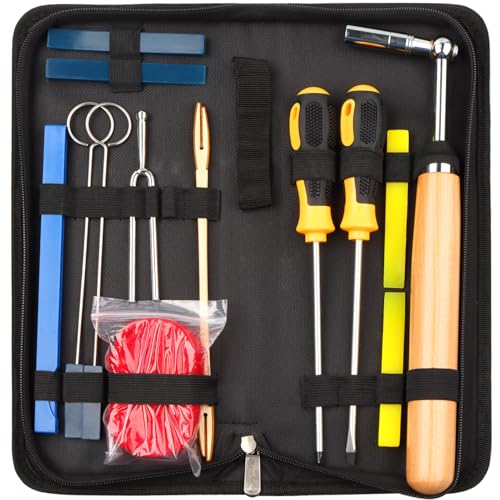
【Complete 14-Piece Professional Kit】: Get everything you need in one convenient package. Includes 1 Mute Felts, 1个Mute Felts, 1Piano Tuning Wrench, 2Rubber Wedge Mutes, 2Screwdrivers, 1Tuning Fork, 1Muting Rod, 4Rubber Wedge Mutes, 1Silent Clamps, and 1Piano Tuning Package.
Frequently Asked Questions
How Frequently Should You Tune a Piano?
Q: How often should a piano be tuned?
A: Pianos should be tuned at least twice a year. For optimal performance, especially in fluctuating environmental conditions, professional recommendations suggest tuning four to six times a year.
Tip: Keep a consistent schedule for tuning to maintain your piano’s quality, especially if you live in an area with significant temperature or humidity changes.
Q: Why are seasonal adjustments recommended?
A: Seasonal adjustments help account for changes in humidity and temperature that can affect the tuning stability of a piano. These changes can cause the piano to go out of tune more quickly.
Caveat: If your piano is in a stable environment with minimal temperature or humidity fluctuations, you may not need to tune as frequently.
Q: What are the signs that my piano needs tuning?
A: If you notice that notes sound off or dissonant, or if you hear a difference in sound when playing the same notes, it may be time for a tuning. Regular playing can also affect how quickly a piano goes out of tune.
Tip: Pay attention to how your piano sounds over time and schedule a tuning as soon as you perceive any issues to avoid further tuning complications.
How Long Can a Piano Go Without Being Tuned?
Q: How long can a piano go without being tuned?
A: A piano can typically go six to eighteen months without needing a tune-up. However, this duration can vary greatly depending on environmental factors like humidity and temperature changes.
Tip: Regularly check your piano’s sound quality; it may need tuning sooner than expected if you’re in a fluctuating climate.
Q: What factors affect piano tuning?
A: Environmental stability, including changes in temperature and humidity, significantly impacts how often a piano needs tuning. Frequent exposure to such fluctuations can cause a piano to detune faster.
Caveat: Consider placing your piano in a climate-controlled environment to maintain optimal tuning stability.
How Do You Know if a Piano Needs Tuning?
Q: How can I tell if my piano needs tuning?
A: A piano may need tuning if you notice flat or sharp notes during play. Additionally, significant changes in humidity can affect pitch stability, leading to uneven tones or buzzing sounds.
*Tip: Test a few keys against a tuning app to assess their accuracy before calling a technician.*
Q: What signs indicate that my piano is out of tune?
A: Signs include notes that sound off-key, particularly if some notes are noticeably flatter or sharper compared to others. If the piano’s overall sound feels dissonant or harsh, it’s a clear indication that tuning is necessary.
*Tip: Regularly check your piano’s tuning, especially with seasonal weather changes, to maintain optimal sound quality.*
What Is the Average Cost to Tune a Piano?
Q: What is the average cost to tune a piano?
A: The typical cost for piano tuning ranges from $100 to $300. This variance typically reflects the technician’s expertise and the methods they use, which are crucial for maintaining the piano’s sound quality.
Tip: Always inquire about the technician’s experience and ask for recommendations to ensure you’re getting quality service.
Q: Why is tuning important for a piano?
A: Proper tuning is essential for achieving the best sound quality and maintaining the instrument’s overall health. A well-tuned piano allows for optimal performance, whether for practice or performances.
Caveat: If your piano hasn’t been tuned in a long time or has been exposed to drastic temperature changes, it may require additional services like regulating or voicing.


