As an Amazon Associate, we earn from qualifying purchases. Some links on this site are affiliate links at no extra cost to you. Our recommendations are based on thorough research and editorial judgment.

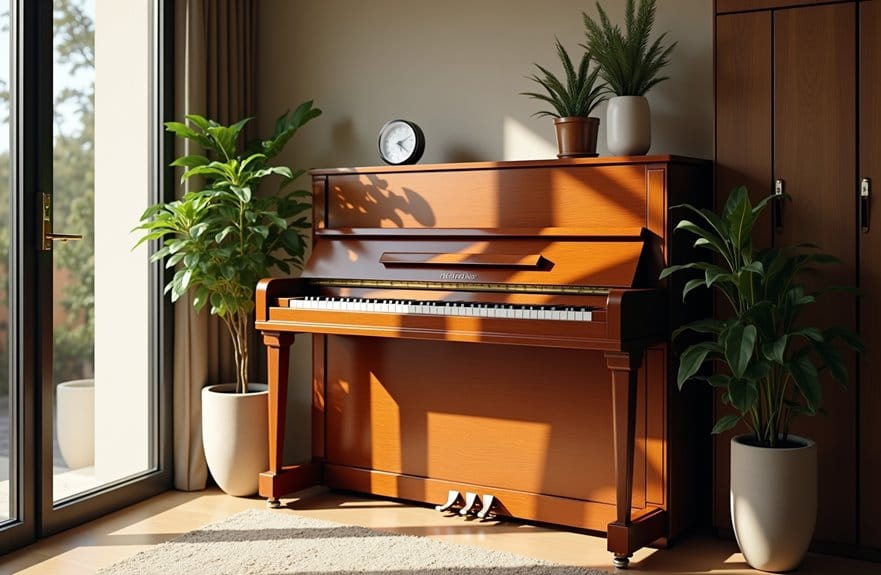
Understanding Humidity Control for Acoustic Pianos

Are you a proud owner of an acoustic piano? If so, understanding humidity control is essential for keeping your instrument in top shape!
You may be interested


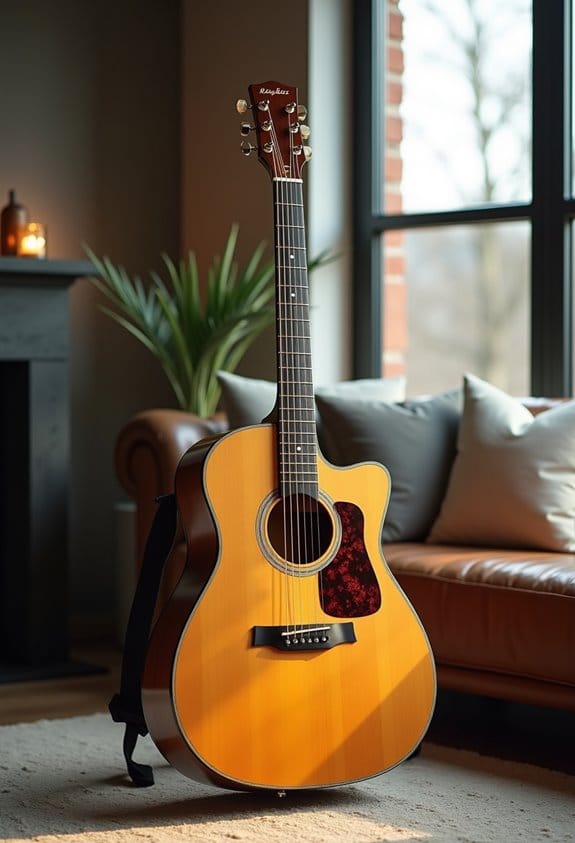
The ideal humidity levels for an acoustic piano range between 40% and 50%. Why does this matter? Too much moisture can cause the wood to swell, while too little can result in cracks.
In this guide, you’ll discover how to monitor and maintain these critical humidity levels using tools like hygrometers and humidifiers.
Plus, we’ll provide tips to ensure your piano remains happy and performs flawlessly.
Ready to learn how to protect your investment? Let’s dive into the world of humidity control for acoustic pianos!
Key Takeaways
- Maintaining humidity levels between 40% and 50% is essential for optimal acoustic piano performance and sound quality.
- Fluctuating humidity can cause wood shrinkage or swelling, leading to tuning instability and key misalignment.
- Regular monitoring with hygrometers is crucial; check humidity levels twice daily and record weekly to track changes.
- Using humidifiers or dehumidifiers can effectively control environmental moisture around the piano.
- Consultation with professional technicians ensures tailored humidity management solutions and regular maintenance to prevent long-term issues.
Importance of Humidity Control

You know, when we think about what keeps an acoustic piano sounding amazing, humidity control isn’t usually the first thing that comes to mind, but it’s super important! Keeping moisture levels stable is crucial; ideally, your piano should sit in a humidity range of 40% to 50%. Too much moisture can cause the wooden parts to swell, while too little can lead to cracks—definitely not good for your instrument!
Picture this: your soundboard trying its best to vibrate, but it’s either too dry or too damp. That’s where a humidity control system comes into play. One simple way to monitor humidity is by using a hygrometer; it helps you keep track of those moisture levels. Just like that, you can ensure the wood in your piano stays in great shape and keeps that beautiful sound flowing! It’s also important to choose a compatible humidity control system to avoid potential damage like warping from incorrect use.
Effects of Humidity on Piano Performance
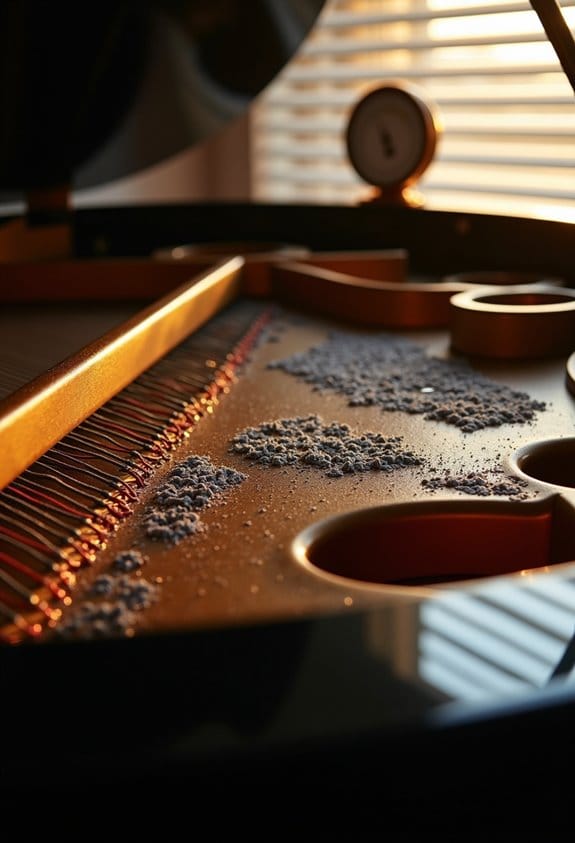
Humidity can really affect how a piano plays, sometimes in ways you might not even expect! When humidity levels climb above 50%, the wood of the piano can swell. This swelling can lead to misaligned keys, and that can really mess with your performance. On the other hand, when the air gets too dry—below 40%—the wood can shrink and even crack, which makes the piano go out of tune more easily.
Did you know that even a small increase in humidity, say just 10%, can change the pitch of your notes by about 1%? That’s like needing to tune up more often than you’d want, especially before a concert! Plus, too much moisture can cause rust on the metal parts of your piano, making strings snap more frequently.
To keep your piano performing its best and to avoid damage, try to maintain humidity levels between 40% and 50%. A well-cared-for piano not only sounds better, but it also makes playing much more enjoyable. So, let’s talk about some ways to keep that humidity in check! Using professional cleaning products regularly can help maintain not just the appearance but also the functionality of your piano in changing environments.
Ideal Humidity Levels for Pianos
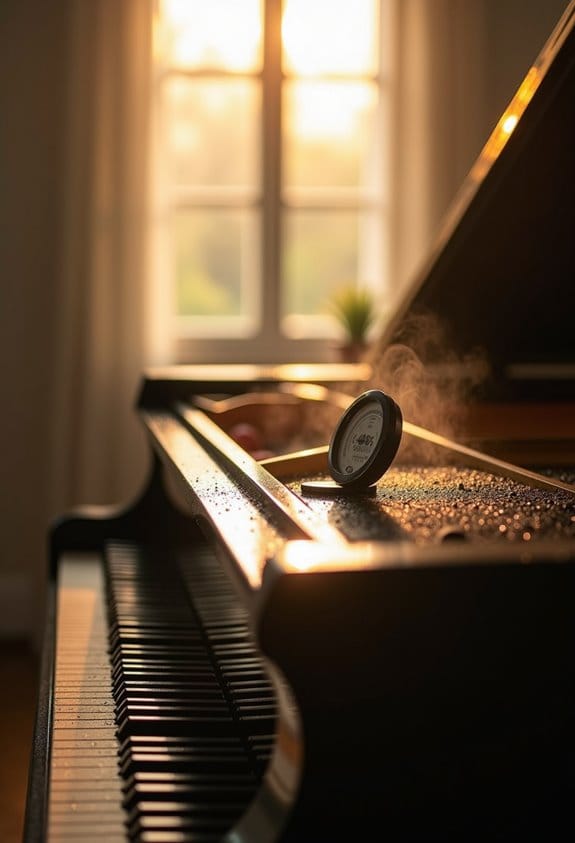
Hey there! If you’re a piano enthusiast like me, you know how crucial humidity levels are for your beloved instrument. Ideally, you want to keep that humidity around 40% to 50%. Why does it matter so much? Well, it’s all about protecting the wood and ensuring your piano stays in tune while delivering beautiful sound.
Imagine this: if humidity levels go above 50%, parts of your piano could swell. This might lead to misaligned keys, which definitely isn’t what you want when you’re trying to hit the right notes. On the flip side, when humidity dips below 40%, you risk the wood shrinking and cracking, which can spell disaster for your instrument.
To keep your piano sounding its best all year round, aim for a sweet spot of around 42-43% humidity, especially when the seasons change. You can use a hygrometer (a neat little device) to monitor your humidity levels easily. By staying on top of this, you can ensure your piano continues to sing beautifully—like a nightingale! Now, let’s chat about other maintenance tips to keep those notes ringing clear. Regular calibration of humidity sensors ensures the most accurate readings and optimal piano care.
Recommended Products
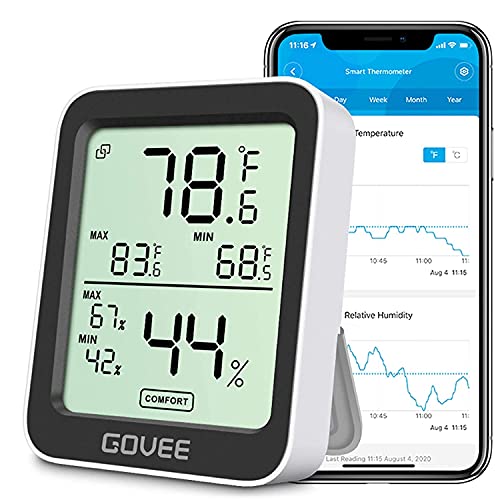
Smart Features: The Govee Wireless Thermometer Hygrometer supports all basic functions as well as smart functions such as remote monitoring and temp humidity graphs. Our humidity meters are reliable and easy to use for homes, greenhouses and more.(Only supports 164ft Bluetooth connection)

Wellness Indicator: This humidity meter with humidity level icon indicates air conditions - DRY/COMFORT/WET, allowing this humidity sensor to ensure you’re always aware of changes to your home/household with just a quick glance

2-in-1 Thermometer Hygrometer Meter: Built-in probe for unparalleled precision. It serves as both a digital electronic thermometer and a hygrometer, meticulously engineered for indoor environmental monitoring.
Tools for Monitoring Humidity
Monitoring humidity is super important for your piano, kind of like giving it a little wellness check! You see, a hygrometer is your best buddy in this process; it tells you the humidity levels right there in real-time. Just make sure to place it at the level of the soundboard and keep it away from direct sunlight and air vents, so you get the most accurate readings.
Did you know that the sweet spot for humidity to keep your piano in great shape is between 40% and 50%? To stay on top of things, try checking the humidity twice a day—that’s how you can catch any potential issues before they cause harm. You might even want to jot down those readings weekly; it’s a simple way to keep track of what’s happening with your instrument!
If you ever notice the humidity swinging too high or too low, portable humidifiers or dehumidifiers can be a lifesaver. They help you create the perfect environment for your piano, keeping it happy and sound. Think of it this way: Just like regular tuning helps your piano sound its best, maintaining the right humidity is key to its overall health! So, let’s keep those moisture levels in check to ensure your beautiful instrument always sings in perfect harmony! 🎹 Humidifiers designed with automatic humidity control can make maintaining these levels much easier and more consistent.
Recommended Products

Innovative Humidity & Temperature Guitar Monitor Easily Clips Directly onto Your Acoustic or Electric Guitar Strings

2-in-1 Thermometer & Hygrometer Meter: Equipped with a high-precision sensor, this temperature and humidity meter provides accurate readings, making it ideal for monitoring indoor environments like homes, offices, or greenhouses

White Humidity and Temperature Monitor: Ideal for a living room, baby nursery, kitchen, greenhouse, or wine cellar
Humidity Control Methods
Hey there! If you want to keep your piano in tip-top shape, controlling humidity is key—kind of like finding that perfect balance of ingredients in a cake! Ideally, your piano likes the humidity to sit between 40% and 50%. You can achieve this by using a console humidifier if your space is smaller or investing in a whole-house system for larger areas, which can range from about $150 to $500.
Now, if you really want to protect your piano from those pesky humidity swings, consider the Piano Life Saver System. It actively helps maintain a stable environment around your instrument, which can save you big bucks on repairs down the road. Remember, regular maintenance is important! A quick tip: check your humidity levels with a digital hygrometer weekly. If you notice any sticky keys or warped wood, that’s your cue to grab a humidifier or dehumidifier—they can work wonders! If you’re ever in doubt, don’t hesitate to ask a certified technician for some expert advice on caring for your piano. Monitoring humidity is essential because high humidity effects can cause swelling and softening of hammers, resulting in dull sound quality.
Recommended Products

Dampp-Chaser Piano Humidifier Treatment - 16 oz. Bottle

Formulated to reduce mineral build-up in Dampp Chaser Systems
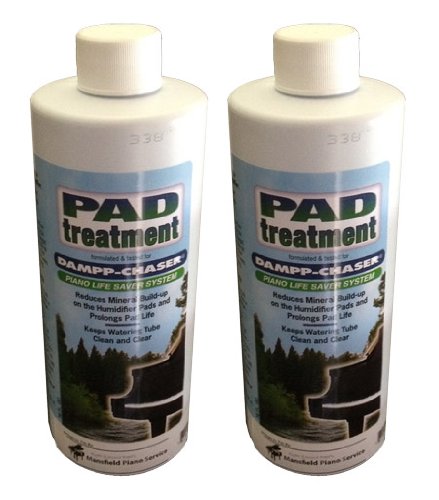
Dampp Chaser Piano Humidifier Pad, Treatment, 16 oz Bottle, Value Pack, 2 Pack
Regular Humidity Care and Maintenance
Hey there! Let’s chat about the importance of humidity care for your acoustic piano. It might surprise you, but keeping humidity levels in check is key to ensuring your instrument stays in top shape. Aim for that sweet spot of 40%-50%. If it gets too dry, the soundboard might start to swell—and nobody wants that!
Piano experts suggest checking humidity levels at least twice a day, especially when the weather doesn’t know what it’s doing! You can use room humidifiers or dehumidifiers to help out. They’re handy tools that help maintain the right moisture levels.
Also, remember to steer clear of placing your piano near heating vents or in direct sunlight. Think about it like this: putting your prized ice cream in the oven—definitely not a good idea! When you take care of the humidity, you’re not just prolonging your piano’s life; you’re also helping it sound its best and hold its tuning better. So, let’s keep that piano happy!
Changes in humidity affect felt density, which in turn influences the overall piano performance and tone.
Now, if you’re feeling curious about how temperature impacts your piano, keep reading!
Recommended Products

Designed for use with ALL Dampp Chaser Systems

Designed to reduce mineral build-up
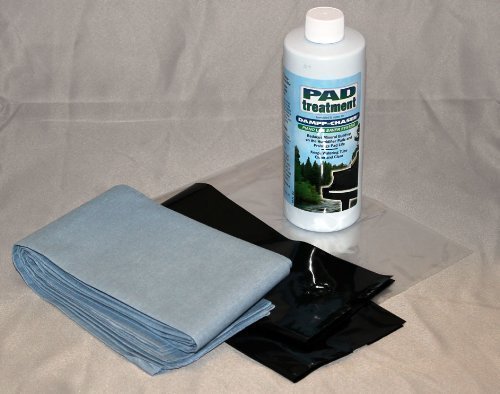
Humidifier Treatment designed to reduce mineral build-up; Prolongs the life of your humidifier and pads
Signs of Humidity-Related Issues
Hey there! If you own a piano, you’ve got to keep an eye out for humidity issues that can sneak up on you. High humidity can cause your keys to stick and even warp the wood. Imagine trying to play your favorite song, only to find that your piano feels like it’s resisting you! If you notice any wood shrinkage or cracks, it’s time to have a chat with your tuner—these problems can really mess with how well your piano stays in tune.
Another red flag to watch for is mold growth; not only is it a sign of too much humidity, but it’s also harmful to your health! If you didn’t know, just a 10% increase in humidity can change your piano’s pitch by about 1%. That’s pretty significant! Keeping a hygrometer around can help you monitor the humidity levels in your space. By catching these humidity-related issues early, you can keep your piano sounding great for years to come. So, let’s keep our instruments happy and healthy! Regular maintenance kits are essential to preserving the integrity and responsiveness of your piano’s action parts.
Recommended Products
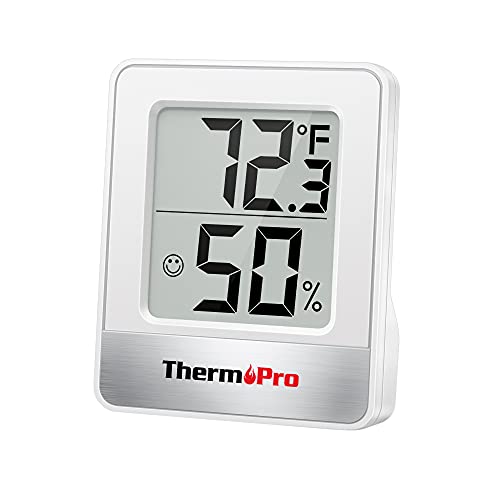
Face Icon Comfort Indicator: Humidity temperature gauge features face icons to indicate DRY/COMFORT/WET air conditions, quickly informs you how to adjust your humidifier or dehumidifier to achieve optimal comfort.

【Fahrenheit/Celsius】 The Thermometer Humidity Monitor can achieve the mutual conversion between Fahrenheit (°F) and Celsius (°C).Temperature measurement accuracy:±1.8℉, humidity measurement accuracy: ±3~5%RH.

1-【Widely Application】The digital LCD monitor can be used in home, office, garage, schools, hotels, laboratories, kindergartens, aquaculture, instrument workshop, warehouse, reptile tank terrarium, aquarium, hermit crab habitat, and other places where temperature/humidity measurement is required.
Seeking Professional Assistance
Keeping your beloved piano safe from humidity can be a real challenge, right? That’s where skilled piano technicians come into play! They’re like the superheroes for your acoustic piano. These experts can help you figure out how to manage humidity issues specific to your instrument.
For instance, they can install a system like the Piano Life Saver that monitors the humidity around your piano in real-time. This way, you’ll know when adjustments are needed to protect the wood from warping or cracking. Plus, having a technician check in regularly means they can catch early signs of trouble, like sticky keys. Routine maintenance not only keeps everything running smoothly but also ensures your piano stays in tune longer.
Just like upgrading your guitar’s bridge pins with durable materials improves performance and longevity, choosing the right humidity control solutions can enhance your piano’s sound and structural integrity.
Frequently Asked Questions
What Is the Best Humidity Level for a Piano?
Q: What is the ideal humidity level for piano care?
A: The best humidity level for a piano is between 40% and 50%. This range ensures proper tuning stability and minimizes wood expansion, which is essential for maintaining sound quality.
Tip: Use a hygrometer to regularly monitor the humidity in your piano environment.
Q: Why is humidity important for tuning stability?
A: Proper humidity levels help maintain tuning stability by preventing excessive swelling or shrinking of the wood. This consistency is crucial, especially during seasonal changes when humidity can fluctuate.
Caveat: Rapid humidity changes can still impact tuning, so plan regular tunings during transitional seasons.
Q: How can seasonal changes affect piano humidity?
A: Seasonal changes can lead to varying humidity levels that might affect the piano’s structure and tuning. Maintaining the correct humidity range throughout the year is key to preserving your piano’s integrity.
Tip: Consider using a humidifier during dry months and a dehumidifier during damp periods.
Q: What are some maintenance tips for piano humidity?
A: Regularly monitor humidity levels and make necessary adjustments to your environment. Be mindful of how nearby heating or cooling systems can influence humidity fluctuations.
Caveat: Avoid placing your piano near windows, vents, or radiators, as these can cause inconsistent humidity levels.
What Is the Best Setting for Humidity Control?
Q: What is the best setting for humidity control?
A: The ideal humidity level for control is between 40% and 50%. This range helps maintain the health of various items, including pianos, by preventing damage from excessive dryness or moisture. A practical tip is to use a dehumidifier or humidifier to keep levels consistent, especially during seasonal changes.
Q: How can humidity monitors help with piano care?
A: Humidity monitors provide accurate readings of the ambient moisture levels around your piano, allowing for timely adjustments to your climate control strategies. Regular monitoring is essential to prevent damage such as warping or cracking. It’s a good idea to place the monitor near the piano for the best readings.
Q: What maintenance tips can help mitigate humidity effects?
A: Following maintenance tips like regularly tuning and checking for signs of moisture damage can significantly enhance your piano’s longevity. Additionally, make sure to keep your piano away from direct sunlight and heating sources, as they can exacerbate humidity issues. Always keep a cleaning routine to avoid debris buildup that can affect performance.
What Is the Best Humidity Level for Musical Instruments?
Q: What is the ideal humidity level for musical instruments?
A: The best humidity level for musical instruments is generally between 40% and 50%. This range helps protect the instrument from wood expansion or damage due to fluctuations in temperature and seasonal changes.
*Tip: Use a hygrometer to monitor humidity levels in your instrument’s storage area.*
Q: Why is maintaining proper humidity important for musical instruments?
A: Proper humidity levels prevent potential damage such as warping, cracking, or structural issues in wooden instruments. These effects can compromise sound quality and longevity.
*Caveat: If you live in extreme climates, consider using a dehumidifier or humidifier as needed to maintain optimal levels.*
What Humidity Is Too High for an Acoustic Guitar?
Q: What happens to an acoustic guitar when humidity exceeds 70%?
A: When humidity levels surpass 70%, the wood of the guitar can swell, resulting in warping. This swelling disrupts string tension and negatively impacts sound quality.
Tip: Use a humidity meter to monitor the environment and take action if levels rise too high.
Q: How can I maintain my guitar’s humidity levels?
A: Maintaining humidity levels between 45% and 55% is ideal for acoustic guitars. This balance helps avoid both excessive drying and swelling of the wood.
Tip: Consider using a hygrometer and a humidifier or dehumidifier to keep the environment stable.


