As an Amazon Associate, we earn from qualifying purchases. Some links on this site are affiliate links at no extra cost to you. Our recommendations are based on thorough research and editorial judgment.


Understanding the Life Expectancy of Different Piano Types

Are you curious about the surprising life expectancy of different piano types?
You may be interested


Whether you’re a budding pianist, a dedicated musician, or a piano enthusiast, understanding how long your instrument can last is essential.
Acoustic pianos can endure an impressive 50 to 100 years with proper upkeep, while digital pianos typically offer 10 to 20 years of playtime.
Imagine creating beautiful music on an instrument that might outlast generations in your family!
The key to longevity lies in maintenance and construction quality, so it’s vital to tune and protect your piano regularly.
Stick around to learn expert tips on how to ensure your piano thrives for years to come!
Key Takeaways
- Acoustic pianos can last 50 to 100 years with proper maintenance, while digital pianos typically last 10 to 20 years.
- Grand pianos generally have longer lifespans compared to upright pianos within the acoustic category.
- Regular tuning and stable humidity are crucial for the longevity of acoustic pianos, preventing damage.
- Handcrafted pianos usually outlast mass-produced ones, which have a lifespan of about 20 to 25 years.
- Environmental factors, such as humidity and heavy playing, significantly influence a piano’s lifespan and condition.
The Lifespan of Acoustic Pianos

Have you ever thought about the lifespan of acoustic pianos? They’re like musical treasures that can last between 50 to 100 years! Isn’t that impressive? Whether a piano holds up over the years really depends on how well it’s made and how much TLC it gets. For example, grand pianos often last longer than upright ones because they’re built with better materials and design.
To keep your piano in tip-top shape, it’s super important to maintain it regularly. That means tuning it about every six months—trust me, it makes a huge difference in sound quality! And don’t forget about humidity; keeping the piano in a stable, comfortable environment can really protect it from damage.
Imagine a family gathering around a well-loved piano, playing tunes that have been passed down through generations. It’s quite special, right? Just remember, if you expose your piano to extreme conditions—like heat or humidity—it can wear down faster. So, give it the proper care, and you’ll be able to enjoy that beautiful sound for years to come! Speaking of sound, let’s chat about the different types of piano music styles next. Regular maintenance and upkeep are essential for preserving both the feel and tone of your piano over time.
Digital Pianos: Longevity and Limitations

Hey there! You know, digital pianos might not have the same magical aura as acoustic pianos, but they definitely offer a lot of advantages! These instruments can last a solid 10 to 20 years, depending on how often you play and the latest tech updates.
One of the best parts about digital pianos is how low-maintenance they are. Forget about tuning—just plug it in and start playing whenever the mood strikes! For instance, if you want to jam out late at night, you can easily use headphones to keep the noise down. Plus, many of these pianos produce sound quality that’s surprisingly close to that of an acoustic piano.
Digital pianos also come packed with cool features. They’re lightweight and easy to transport, making them ideal for musicians on the go. And with built-in learning apps, they’re fantastic for beginners wanting to pick up the basics without feeling overwhelmed. So yes, they might not have the sparkle of traditional pianos, but they sure make making music super fun and accessible!
Speaking of accessibility, let’s chat about how these instruments can fit into different playing styles and environments. Additionally, many models offer graded hammer action keys that mimic the feel of an acoustic piano for an authentic playing experience.
Recommended Products

88 Natural Wood keys with Synthetic Ebony and Ivory Key Tops and Graded Hammer (GH3) Action

The VPC1 has been developed for one thing and one thing only: to deliver the finest virtual piano playing experience - bar none
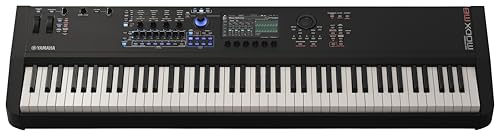
Built for pianists, the 88-key MODX M8 synthesizer delivers exceptional sound, expressive control, streamlined workflow, and realistic graded-hammer action in a lightweight design
Factors Influencing Piano Lifespan

When you’re curious about how long a piano will last, there are a few key factors to consider. First up is construction quality. Pianos built with care and precision, like Steinways, can easily last over 100 years if they’re looked after properly! It’s pretty amazing to think about how you could pass down something like that through generations, right?
Now, what if you’re eyeing a used piano? That can be a fantastic choice! As long as the previous owner maintained it well, a used piano can serve you beautifully. Regular tuning is essential—think of it like a routine check-up that keeps the piano in peak condition. If you notice any issues, don’t delay on repairs; a quick fix can save you from bigger problems later on.
Don’t forget about the environment, too! Humidity can really affect a piano’s lifespan. Ideally, keep your piano in a stable spot where temperature and moisture levels are consistent. And if you’re a heavy player, that might wear down the piano a bit faster than if someone only plays gently.
Using high-quality piano felt washers can also help reduce noise and maintain the instrument’s sound quality over time.
Quality of Construction and Materials
Hey there! You know, the world of pianos is pretty fascinating, especially when you consider how construction quality and materials play a huge role in how long they last. Take handcrafted pianos, for instance. These beauties can sometimes last an impressive 100 years thanks to their exceptional craftsmanship! On the other hand, if you go for a mass-produced piano, you might be looking at a lifespan of just 20 to 25 years. Quite the difference, right?
The materials used really make a big impact too. For example, solid wood is fantastic for both sound and durability. It tends to create a richer, more resonant tone. Look at brands like Steinway & Sons; they use only top-notch materials, and that’s one reason their pianos can often last well over a century!
And let’s not forget about the internal components. The strings and hammers also need to be high quality, since they endure a lot of wear and tear. Investing in a well-crafted piano is like securing a musical treasure that you can enjoy for generations! It truly enhances your musical experience. And speaking of enjoying music, let’s chat about how to choose the right type of piano for your space and style next!
Using the right piano practice pedals can also play an important role in maintaining your instrument’s performance and expression over time.
Recommended Products
Premium Structure: This pilates reformer features a stunning and sturdy solid maple wood frame with a sleek interior, supporting up to 400 lbs. Its strong construction ensures enhanced stability and support, making it perfect for your daily meditation and workout needs

GrandTouch-S keyboard action faithfully replicates the detailed tonal variations produced in an acoustic grand depending on the player’s touch and expression. The exceptionally durable solid wood keys transfer vibrations from the instrument creating an important connection to the player.

EXCEPTIONAL SOUND PERFORMANCE - Savor the ultimate listening experience by pairing a fully loaded high fidelity turntable with endlessly versatile, room-filling 120-watt powered bookshelf speakers
The Role of Maintenance in Piano Longevity
Hey there! Let’s chat about the role of maintenance in piano longevity. Think of piano maintenance like giving your favorite instrument a cozy blanket to keep it safe and sound for years. Regular tuning is crucial—aim for every six months if you can. Did you know that with the right care, an acoustic piano can last anywhere from 50 to 100 years? That’s pretty impressive!
Humidity control is another key factor. Too much moisture can warp the wood and damage the internal parts. You might want to invest in a hygrometer to monitor the humidity levels in the room where your piano lives. Just picture the sweet sound of music filling your home, all thanks to a well-cared-for instrument.
If you let maintenance slide, you could end up with costly repairs and a shorter piano life. Getting a professional to check on things can nip problems in the bud, keeping your piano in good playing condition and maintaining its value. It’s all about enjoying that music to the fullest! Speaking of enjoyment, let’s talk about how you can make the most out of your piano practice sessions.
Using essential piano regulation tools can greatly simplify maintenance tasks and enhance your instrument’s longevity.
Recommended Products

【Effortless Smart Management】This professional electric humidor with precise climate control (60-71°F/16-22°C & 60-75% RH). Built-in PTC heating, cooling & dehumidifying systems.

CHERRY FINISH TOWER HUMIDOR: Showcase your cigar collection in style with this premium tower humidor in Elegant Cherry Finish, measuring 22½ inches wide, 16½ inches deep, and 72 inches high. It features a tempered beveled glass door, adorned with a gold-plated lock and key with a luxurious tassel for added elegance.

LUXURY TOWER HUMIDOR: Revel in the sophisticated design of this premium tower humidor, measuring 22½ inches wide, 16½ inches deep, and 72 inches high. It features a dual-pane, tempered beveled glass door, adorned with a gold-plated lock and key with a luxurious tassel for added elegance.
Environmental Factors Affecting Pianos
Hey there! You know, taking care of a piano is a lot like nurturing a delicate flower. To keep it sounding beautiful, you really need to pay attention to its environment—especially humidity control. Ideally, you want to keep humidity levels around 40% to 50%. If it gets too damp or too dry, you could end up with a warping or cracking piano, which definitely isn’t ideal for making music.
Temperature is a biggie too! Think about how wood works: when it gets hot, it expands, and when it cools down, it contracts. This means that a piano could go out of tune if it’s subjected to big temperature swings. You wouldn’t want to play a piano that sounds off, right?
Be cautious about storing your piano in places like a basement or an attic. Those spots can have tricky conditions that can harm your instrument. Make a habit of giving your piano some regular attention—like tuning it periodically and checking on the humidity levels. A little maintenance goes a long way, and before you know it, your piano will be happily singing sweet melodies for years to come! So, where do you think is the best spot in your home to keep your piano?
Using a reliable piano humidity sensor can help you maintain the ideal conditions for your instrument.
Indicators of Wear and Aging in Pianos
Hey there! If you’re looking to keep your piano in the best shape possible, spotting the signs of wear and aging is super important. For example, if you’re pressing a key and it feels sticky or just won’t budge, that often means it’s time for a pro to take a look. Nobody wants to deal with a piano that seems to have lost its touch!
Another big clue to watch for is the tension of the strings. If they’re feeling loose, it could really affect the sound quality you get. And don’t forget about the wooden parts! Cracks or warps in the wood can signal that maintenance is due.
Regularly checking for unusual sounds or uneven key responses can really save you headaches later on. Catching these early signs of wear can help you avoid more serious repairs down the line—like those costly tune-ups that can pop up unexpectedly. So, keep your ears and eyes open, and your piano can keep singing beautifully! Let’s chat next about some easy maintenance tips to keep that music flowing! 🎶 Maintaining consistent humidity levels between 40-60% also plays a crucial role in preventing damage and prolonging your piano’s life.
How Playing Style Impacts Piano Lifespan
Did you know that the way we play the piano really impacts its lifespan? It’s fascinating! Every piano has its own unique character, and gentle playing can help it last for decades. On the other hand, if you’re someone who likes to dig in and play aggressively, those hammers and strings can wear out much quicker.
Take concert pianists, for example. They’re pushing their instruments to the limit with challenging pieces that call for a lot of intensity. Think about those rapid runs and intricate passages; it’s no wonder those pianos can start to show wear and tear over time. In contrast, a hobbyist who practices scales and simple melodies might find their piano singing beautifully for years. Using proper lighting can reduce eye strain during long practice sessions, which may indirectly benefit your playing consistency and care for your instrument anti-glare LED lamps.
Signs It’s Time to Repair or Replace Your Piano
Hey there! You know, as a music lover, it can be so tough when you realize your beloved piano isn’t playing quite like it used to. It’s important to recognize the signs that it might be time to repair or replace your piano so you can keep those beautiful melodies flowing!
For starters, if your piano just won’t hold a tune, no matter how many times you try to adjust it, that’s a big red flag. This could mean there are some serious issues hiding inside, like warped wooden parts that might affect both the sound and structure of the piano. Imagine trying to play your favorite song, only for it to sound completely off!
And then there are those sticky keys. They can be super frustrating, but they also hint that it might be time to replace some parts. Another sign to watch for is a noticeable loss of string tension—if your keys feel less responsive or take a lot of effort to press down, that’s a clear signal that something needs attention.
Now, if you’re thinking about repairs but the cost is higher than what your piano is worth, it might be smart to consider a replacement. After all, even the finest pianos need a chance to sound amazing again! So, take a moment to assess your piano’s condition, and let’s make sure it will keep serenading you for years to come. What do you think—does your piano need a little TLC?
Using the right microphone types can also help capture your piano’s true sound if you decide to record it during the repair or replacement process.
Recommended Products

【RECOVER FROM HEAD TO THIGH 53" SL-TRACK】 Stop letting daily stress and lower back stiffness slow you down. Our advanced, space-bending 53-inch SL-track is biomechanically designed to follow the natural "S" curve of your spine. Delivering a deep-tissue, body-contouring massage from your neck all the way down to your glutes and hamstrings, it realigns your posture and melts away stubborn muscle knots

Comes with 31 treble buttons, 12 bass buttons, and a Celluloid Fingerboard.

FULL-SIZE COMMERCIAL GRADE: Equipped with the Highest Quality SANWA Joysticks, Trackball, 22" LCD Monitor, Thick Tempered Glass, and more! We stand behind our products because we are industry leaders in quality craftsmanship and design.
Valuing Used Pianos: Age and Condition
Hey there! Let’s chat about valuing used pianos. It’s a bit like figuring out the perfect key for a new piece of music! First off, the age of a piano really matters when you’re trying to determine its value. Typically, pianos that are under 50 years old tend to hold their value quite well, especially if they’ve been cared for properly—think of it like keeping a vintage car in mint condition!
Now, let’s talk condition, because that’s just as important. If a piano has been neglected, it can lose its charm and become a shadow of what it once was. Buyers should really look for quality over any sentimental attachment. For instance, a beautifully maintained Yamaha from the 1990s could be worth a lot more than an older Steinway that hasn’t been tuned in years.
If you’re curious about a specific piano, tools like the Pierce Piano Atlas can help you get a clearer picture of its value just by checking its serial number. And remember, while rebuilding older pianos can sometimes be a great investment, it’s worth considering whether that piano has any special features that make it a candidate for restoration. Regular maintenance, including professional tuning, is essential to preserving a piano’s sound and value over time.
Preserving Your Piano for Generations
Hey there! You know, pianos have this incredible ability to bring beautiful music into our homes for years, and if you want to keep yours in top shape, it does take a little effort. Think of regular maintenance, like tuning your piano every six months, as a way to pamper your musical partner. It’s simple but super important! Plus, did you realize that high-quality pianos, especially those crafted with care, can actually last more than 100 years? Isn’t that something?
Now, let’s talk about humidity and temperature. These can be real troublemakers for your piano’s wooden parts if they’re not properly controlled. For example, a sudden drop in humidity can make the wood crack, while too much moisture can warp it. Keeping your piano in a stable environment makes a huge difference! And here’s a tip: consider having a professional check for any wear and tear—this way, you can catch potential issues before they become big problems down the road.
Investing in a reliable brand might seem like a simple choice, but it really sets the stage for your family to enjoy amazing music for lots of years! So, take a moment to think—how’s your piano doing? Is it ready for a long-term companionship? 🎹
Choosing the Right Piano for Long-Term Use
What makes a piano a true treasure in a home? Well, selecting the right piano for long-term use can turn your music enjoyment into something special for future generations! Acoustic pianos really shine in this area; with the right care, they can last anywhere from 50 to 100 years or more. Just think about that! In comparison, digital pianos generally have a lifespan of only 10 to 20 years.
When it comes to quality, you can’t go wrong with brands like Steinway & Sons. Their pianos are built to last, and grand pianos, in particular, are crafted from high-quality materials that give them an edge over upright models. Also, if you invest in a grand piano, you’re not just getting an instrument; you’re getting a piece of art that can enhance your home.
To keep your piano in top shape, make sure to tune it every six months and keep an eye on the humidity levels in your space. Your piano’s longevity really boils down to how much you take care of it, how often you play, and your unique playing style. So, when choosing your piano, think about what best suits your lifestyle to ensure your treasure lasts for years to come! Speaking of choosing the right one, let’s explore the different types of pianos available next.
Recommended Products

The GP-3 is the most compact and affordable grand in the acclaimed GP series, bringing you premium piano performance in a unique low-profile design that makes a statement in any living space.
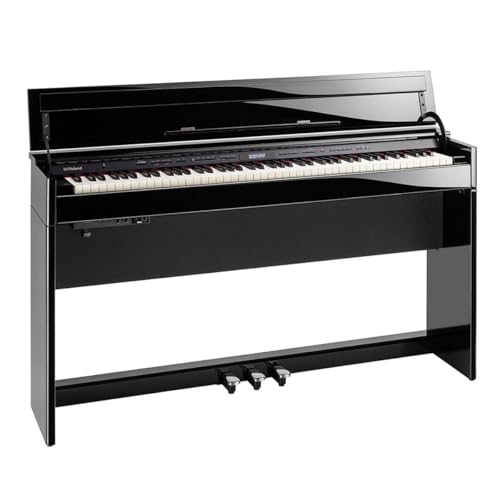
Slim, stylish cabinet design to complement modern living spaces

88-key Digital Piano with Grade-weighted Hammer-action Wooden Keys
Frequently Asked Questions
Is a 20 Year Old Piano Still Good?
Q: Can a 20-year-old piano still be good?
A: Yes, a 20-year-old piano can still be good, but its condition depends on how well it has been maintained. Vintage pianos may have unique sound qualities, but potential wear and tear can affect their performance.
Q: What should I do to ensure my piano maintains good sound quality?
A: Regular maintenance, such as tuning and voicing, is crucial for preserving sound quality. Consider establishing a routine with a professional tuner to keep your piano in top shape.
Q: Are there any downsides to owning an older piano?
A: Older pianos may require more frequent repairs and maintenance, which can be costly. It’s essential to inspect the piano regularly and be prepared for potential restoration needs, especially if it hasn’t been well cared for.
Do Pianos Deteriorate With Age?
Q: Do pianos deteriorate with age?
A: Yes, pianos do deteriorate with age, which can negatively affect their sound quality. Over time, aging can lead to issues such as inconsistent key response and a decrease in tonal richness.
Tip: Regular tuning and maintenance can help preserve the piano’s sound quality as it ages.
—
Q: What happens to the performance of an aging piano?
A: Aging pianos often experience performance degradation. Players may notice issues like uneven key response and a loss of vibrant sound.
Caveat: Neglecting maintenance can accelerate the deterioration process, making regular care essential for long-term performance.
—
Q: Can maintenance alleviate the deterioration effects in pianos?
A: Yes, implementing proper piano maintenance can help mitigate some of the negative effects of aging. This includes regular tuning, humidity control, and periodic inspections to address potential problems.
Tip: Consider hiring a professional piano technician for comprehensive maintenance, as they can identify and resolve issues you might overlook.
Why Are Some Pianos Longer Than Others?
Q: Why do some pianos last longer than others?
A: The longevity of pianos often depends on the quality of construction materials used. Higher-quality woods and parts can withstand the test of time better than lesser materials.
*Tip: Regularly inspect and maintain your piano to ensure its longevity.*
Q: How does maintenance affect a piano’s lifespan?
A: Regular maintenance, such as tuning and cleaning, can greatly extend a piano’s life. Neglecting these practices may lead to deterioration and decreased sound quality.
*Caveat: Always hire a professional for tuning and repairs to avoid damaging your instrument.*
Q: What role does acoustic quality play in a piano’s durability?
A: The acoustic quality of a piano can influence its longevity, as pianos that sound better are often constructed with more care and quality materials. This can lead to more consistent use and better upkeep from owners.
*Tip: Invest in a quality piano from the start to enjoy better acoustic performance and durability.*
Is a 40 Year Old Piano Too Old?
Q: Is a 40-year-old piano too old?
A: No, a 40-year-old piano isn’t inherently too old. With proper maintenance, these instruments can produce excellent sound quality.
Tip: Always check the maintenance history and get a professional assessment before purchase.
Q: Can vintage pianos still provide enjoyable musical experiences?
A: Yes, well-maintained vintage pianos can still offer delightful musical experiences. Their unique character often adds charm to performances.
Caveat: Be aware that some older models might require more frequent tuning or repairs.


