As an Amazon Associate, we earn from qualifying purchases. Some links on this site are affiliate links at no extra cost to you. Our recommendations are based on thorough research and editorial judgment.


What Causes Sticky Piano Keys and Simple Solutions

Are you tired of struggling with sticky piano keys that disrupt your playing? This article is for piano owners and enthusiasts who want to keep their instrument in top shape.
You may be interested



Sticky keys can stem from issues like humidity, dust buildup, or misaligned parts, and understanding these causes is the first step to a solution.
In this guide, you’ll learn how to effectively clean your keys, monitor and manage humidity levels, and recognize when it’s time to seek professional help.
Discover how these simple maintenance tips can drastically improve your piano playing experience.
Join us in exploring the essential care techniques that make a world of difference in preserving the beauty and functionality of your instrument!
Key Takeaways
- High humidity can cause wooden parts to swell, leading to sticky keys; maintain humidity levels between 35%-60%.
- Misaligned internal components increase friction and can jam keys; professional servicing can help realign them.
- Crumbs and debris trapped between keys can obstruct movement; regular cleaning removes potential blockages.
- Quick action with a damp cloth on spills prevents sticky residue from forming; keep drinks away from the piano for safety.
- If keys remain sticky after cleaning, consult a technician as persistent issues may indicate deeper mechanical problems.
Understanding Sticky Piano Keys

Hey there! Have you ever played a piano and noticed some of the keys sticking? It feels like hitting a roadblock in your music, right? Sticky piano keys usually happen because of a few common reasons. One big culprit is humidity. When the humidity levels rise, the wood can swell, causing the keys to stick together like they’re glued!
Another reason could be mechanical issues, like parts that are out of alignment, which adds extra friction when you try to play. And keep an eye out for foreign objects, too. You’d be surprised how a tiny paper clip or dust can get lodged in there and ruin your playing experience!
The good news is, with a little regular maintenance, you can really help prevent sticky keys. Simple things like keeping the piano clean and monitoring the humidity levels can make a big difference. So, next time you sit down to play, think about giving your piano some extra love—it deserves it! Plus, maintaining it means you can enjoy a smoother performance without interruptions. Using humidity control packs specifically designed for wooden instruments is a highly effective way to maintain stable humidity around your piano.
Common Causes of Sticking Keys

Sticky keys can be such a hassle for pianists, can’t they? If you’ve ever played a piece and found that certain keys just wouldn’t budge, you’re not alone. One big reason for this is humidity – when it gets too high, the wooden parts of your piano can swell up, making the keys tough to press down. I mean, imagine trying to play your favorite song and your fingers just won’t cooperate!
Another sneaky culprit could be foreign objects. You know how it goes: you grab a snack while practicing, and those pesky crumbs or maybe a small coin find their way between the keys. Even just a tiny bit of junk can cause some serious blockages. So, if you’re facing sticky keys, it’s a great idea to check for any hidden surprises in there!
Also, worn bushing cloth might be at play here. When moisture builds up, it creates resistance around those balance pins, which makes everything feel sluggish. And let’s not forget about misalignment; if the mechanical parts aren’t lined up properly, they can rub against each other and cause sticking. That’s why keeping your piano well-maintained is super important. No one wants to be in the middle of a performance struggling with uncooperative keys, right? Maintaining proper humidity level between 40-60% can prevent swelling and other moisture-related issues causing sticky keys.
Impact of Humidity and Temperature

Hey there! Did you know that humidity and temperature fluctuations can really mess with how a piano performs? It’s true! When the humidity levels swing, the wooden parts of the piano can either swell up or shrink down. This can result in sticky keys that just don’t want to cooperate—imagine trying to play your favorite song, and your keys are suddenly giving you a hard time; that’s got to be frustrating!
For the best piano performance, you’ll want to aim for humidity levels between 40-60%. If it gets too humid, you’ll see wooden parts expand, while low humidity under 40% can cause them to shrink. This varying wood size can lead to keys getting stuck together, which is the last thing any pianist wants during a performance!
One helpful tip is to monitor your humidity with a hygrometer. It’s a really simple tool that can help you keep those levels just right. By controlling the humidity, you can ensure your piano’s keys are gliding smoothly, allowing you to focus on making beautiful music instead of worrying about sticky keys. Additionally, maintaining stability during use with proper pedal care can greatly improve your overall piano playing experience. With a little extra care, your piano will serenade you beautifully rather than fight against you! And as we move forward, let’s explore how you can also keep your piano in top shape when it comes to temperature.
The Role of Dust and Debris
You ever notice how dust and debris can sneak into a piano? It’s pretty wild, right? Over time, all that dirt, pet hair, and dust can make the keys feel sticky, which is no fun when you’re trying to play your favorite song. Imagine your fingers getting stuck—definitely a buzzkill!
To keep those keys nice and clean, it’s smart to wipe them down regularly with a soft cloth. A dry cloth does a great job, but if things are looking particularly grimy, you might want to use a slightly damp cloth with a mild cleaner. Just be sure not to soak it!
And don’t forget about the area around and under the piano. Using a vacuum with a brush attachment can really help vacuum up the hidden dust bunnies. Aim to clean about two or three times a week—it’s a small effort for a big payoff in sound quality! If it ever gets too messy, bringing in a pro for a deep clean can really make a difference. Speaking of maintenance, let’s talk about tuning your piano next!
Regular basic maintenance steps for pedals and keyboards also help ensure smooth playing and prevent sticky keys or controls.
Recommended Products

Use Piano ONE to Clean, Polish, Wax, and Protect Your Gloss Piano with Complete Maintenance in One Bottle
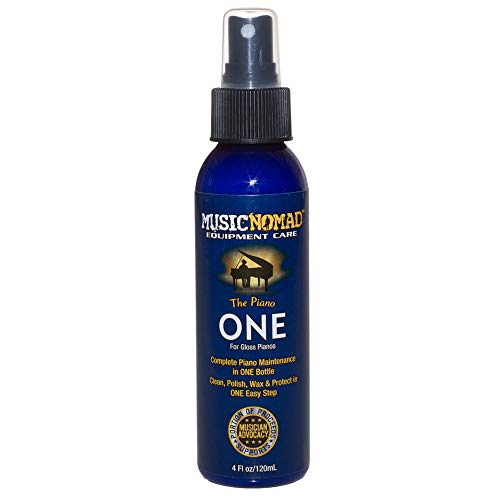
Clean, Polish, Wax, and Protect your Gloss Piano with Complete Maintenance in One Bottle

【All-in-One Piano Care Kit】Cleans, polishes, and protects—all in a single step. This piano polish & cleaner kit features a gentle wax blend formula that effectively removes fingerprints, stains, and surface dust, while leaving behind a protective, high-gloss finish on the piano's surface.
Misalignment of Piano Components
Misalignment of piano components can sneak up on you and really throw off your playing! Over time, the felt, hammers, levers, and springs in your piano can shift and cause friction, leading to those pesky sticky keys that make playing a challenge. It’s like trying to gracefully glide across the keys only to hit a snag!
That’s where a professional piano technician comes in. Think of them as your piano’s best friend—expertly realigning those components to bring back that smooth feel you love. It’s like when you get your bike tuned up; everything runs better when it’s properly adjusted!
Regular maintenance checks are super important—they’re kind of like routine check-ups for your piano. Just imagine if you catch those misalignments early on; you could avoid sticky keys and keep your instrument sounding its best. So, if you want your piano to always be performance-ready, schedule a technician visit and keep the music flowing!
Using high-quality piano felt pads during maintenance can also help reduce friction and prevent sticky key issues.
Recommended Products

Felt washers for the keys of upright and grand pianos

【PREMIUM SOLID WOOD MATERIAL】 ➤ WOGOD Heavy-duty piano caster cups are made of 100% solid wood, which retains the natural texture of wood and can be well integrated into home decor. They are able to support up to 600 lbs and provide high performance with maximum stability and sturdiness. We insist using high quality wood and never use MDF, pinewood, plywood or any composite wood.

Lightweight and perfect circular design of the piano felt pads, standard size washers
Key Sticking From Liquid Spills
You know how accidents happen, right? Sometimes they hit right at home—like when a drink spills on your piano. It’s a total bummer, especially when sugary drinks leave behind a sticky residue that makes your piano keys feel all gunky. Trust me, you don’t want that!
If you’ve got a spill situation, the key is to jump into action quickly. Just grab a damp cloth and a mild cleaner—something gentle to avoid damaging your piano. Wipe down the keys, and don’t stress if the residue hardens; there are special piano cleaning solutions that can help. For example, a spray meant for piano keys can break down that sticky mess without leaving any residue behind.
To keep that from happening again, make it a habit to keep drinks away from your piano. Regularly check for any sneaky spills, too. If you notice that some keys are still sticking even after cleaning, don’t hesitate to call a piano technician. They can help figure out if there’s any internal damage and get everything back in tip-top shape. Keeping your piano clean really does make a world of difference for smooth playing!
Also, routine maintenance and regular inspection of your piano’s keys can prevent sticky key issues from worsening over time.
Recommended Products

Cleans & Protects Keyboard Instruments, MIDI Keyboard Controllers, Keys, Digital Pianos & Matte Pianos

Piano Cleaning Kit Includes: 1x200ml piano cleaner, 2xsoft suede cloths, 1xcleaning brush. Designed for routine care, it helps maintain piano keys and finishes, making it a practical piano cleaner solution for homes, studios, and teaching spaces

Cory Key-Brite key cleaner
Analyzing Worn Key Coverings
You know, worn key coverings are something that often gets ignored, but they can really turn music into a bit of a sticky situation! These coverings, which can be made of felt or leather, lose their smoothness over time. Have you ever hit a key and felt it stick? That’s likely due to the coverings getting compressed and worn out, especially in pianos that are exposed to humidity changes.
As these coverings deteriorate, they start rubbing against the wooden keyframe, making the problem even worse. It’s a good idea to check these coverings regularly—this way, you can catch any wear before it becomes a bigger headache! For instance, if you find a key sticking overly much, that’s a solid sign to take a closer look. When it’s time for replacements, don’t hesitate to reach out to a professional piano technician. They can ensure everything fits just right, keeping your keys playing smoothly and your music flowing. After all, your beloved instrument deserves the best care! Also, maintaining your piano’s components, including pedals with non-slip bases, helps preserve overall playability and comfort.
Basic Cleaning and Maintenance Tips
Hey there! You know, keeping those piano keys in great shape isn’t just about swapping out worn coverings. It’s actually all about regular basic cleaning! Try to wipe those shiny keys 2-3 times a week with a damp microfiber cloth. This simple action helps keep dust and any sticky residue at bay, especially after a little spill from a juice box!
Now let’s talk humidity. It might seem unimportant, but keeping humidity levels between 35% and 45% is crucial for your piano’s wooden parts. If the air is too dry or too humid, the wood can swell or shrink, messing with your sound. For those hard-to-reach spots, ditch the Swiffer! Instead, grab a vacuum with a soft brush attachment. It’ll help you gently remove any unwanted items like stray paper clips or crumbs that might have found their way in—definitely a better option!
And here’s a tip you won’t want to ignore: schedule regular maintenance for your piano. Think of it like a check-up for your instrument; a little attention now can save you from bigger headaches down the road. After all, no one wants sad keys—because sad keys lead to sad music! So, keep those keys happy, and let’s chat about tuning next! 🎹
Recommended Products

Plush High Pile for Dusting


MATERIAL: The Premium Care Plush Cloth contains millions of microfibers to pick up and trap dirt, dust and fingerprints whereas traditional cotton cloths can’t do, providing deluxe care on the instrument surface
When to Seek Professional Help
Hey there! So, have you ever thought about when you should really reach out to a piano technician for those pesky piano troubles? If you’ve got multiple keys sticking, that’s usually a signal that something bigger might be at play. And if you’ve cleaned your piano thoroughly but still deal with those stubborn keys? That’s a pretty clear indication that it’s time to call in the pros.
Sometimes, high humidity or a stray object inside the piano could cause these issues. But if you’re noticing rust or hearing odd sounds, don’t wait too long to act! These signs can often mean that the action parts are misaligned or broken, which are definitely things you want an expert to handle. Trust me, while it might be tempting to try to fix things yourself, you could accidentally turn a minor issue into a costly headache. For persistent problems, replacing worn components such as piano hammer replacements can greatly improve performance and sound quality.
Recommended Products

70 Pcs/Pack:1 package of 70,upright piano spring for piano tuning tools parts.Great accessory for upright piano

Assortment of 9 Hammers

Used Book in Good Condition
Frequently Asked Questions
How to Fix Sticky Piano Keyboard Keys?
Q: What should I do to fix sticky piano keys?
A: Regular piano maintenance is essential to prevent sticky keys. This includes cleaning the keyboard and ensuring the piano is properly regulated. *Tip: Use a soft, dry cloth to clean the keys before applying any cleaning solutions.*
Q: How can I clean my piano keyboard?
A: Use a mixture of water and mild dish soap on a soft cloth to gently wipe down the keys. Avoid letting any liquid seep between the keys as it may damage the internal mechanisms. *Caveat: Always test on a small area first to ensure the solution doesn’t harm the finish.*
Q: How does humidity affect my piano?
A: Humidity can cause wood to swell, leading to sticky keys and misalignment. Maintaining a consistent humidity level is crucial for your piano’s health. *Tip: Use a hygrometer to monitor humidity levels and consider a dehumidifier in damp areas.*
Q: What role does lubrication play in fixing sticky keys?
A: Lubrication helps smooth the action of the piano mechanisms, which can reduce stickiness. It’s important to use the correct lubricant and apply it sparingly to avoid buildup. *Caveat: If you’re unsure, consult a professional technician before attempting lubrication.*
Q: When should I consider replacing piano keys?
A: If sticky keys persist despite cleaning and maintenance, replacement may be necessary. This is particularly relevant for older pianos where keys might have become warped or damaged. *Tip: Consult a piano technician to assess whether repairs or replacements are the best option.*
What Is the Lubricant for Sticky Piano Keys?
Q: What lubricant can I use for sticky piano keys?
A: Light piano oil or synthetic lubricants are effective for fixing sticky piano keys. These options are specifically designed for this purpose and help reduce friction between the keys.
*Tip: Always apply lubricant sparingly to avoid excess buildup, which can cause further stickiness.*
Q: What are some tips for maintaining piano keys?
A: Proper key cleaning techniques are essential for maintaining piano keys, including using a soft cloth and avoiding harsh chemicals. Regularly check for any sticky residue and clean immediately to prevent further issues.
*Caveat: Ensure the piano is turned off and unplugged before cleaning to prevent accidental damage.*
Q: When should I consult a technician for piano repairs?
A: It’s advisable to consult a technician if sticky keys persist after cleaning and lubrication or if there are other mechanical issues. Professionals can provide essential guidance for repairs and maintenance that may be beyond basic DIY fixes.
*Tip: Regular maintenance checks by a technician can prevent problems from escalating and prolong the life of your piano.*
How to Get Sticky off Piano Keys?
Q: What methods can I use to remove stickiness from piano keys?
A: You can utilize cleaning solutions specifically designed for pianos or try DIY methods like a mixture of water and vinegar. It’s important to avoid using harsh chemicals that could damage the keys. Always test any solution on a small area before applying it to the entire surface.
Q: Why is regular upkeep important for piano maintenance?
A: Regular maintenance ensures optimal performance and longevity of your piano, preventing issues like stickiness from developing. Moisture control is particularly crucial, as it can affect the sensitivity and response of the keys. Make it a habit to dust your piano regularly and keep it in a climate-controlled environment.
Q: How does key sensitivity relate to stickiness?
A: Key sensitivity can be compromised by stickiness, making it difficult to play accurately. This can lead to frustration and hinder your playing ability. To maintain sensitivity, be cautious about moisture exposure and promptly address any stickiness issues as they arise.
What to Do if Your Keyboard Keys Are Sticky?
Q: What should I do first if my keyboard keys are sticky?
A: Start by identifying the causes of stickiness, which can include dirt, spills, or worn-out materials. Understanding the root cause will help determine the best cleaning method. Tip: Disconnect the keyboard before inspecting to avoid accidental typing.
Q: How can I clean sticky keyboard keys effectively?
A: Use appropriate cleaning solutions such as isopropyl alcohol or mild soapy water on a cloth to gently wipe the keys and surrounding areas. Avoid overly wetting the cloth to prevent moisture from seeping into the keyboard. Caveat: Ensure the keyboard is unplugged or powered off to reduce the risk of damage.
Q: What role do humidity levels play in keyboard maintenance?
A: Maintaining optimal humidity levels (between 30% and 50%) can help prevent the keys from becoming sticky due to condensation or moisture buildup. A dehumidifier or humidifier can help control the environment around your keyboard. Tip: Avoid placing the keyboard in overly humid areas like kitchens or bathrooms.
Q: How can regularly inspecting key materials help?
A: Regularly checking key materials allows you to spot wear and tear or other potential issues that may contribute to stickiness. Early detection can lead to timely maintenance or replacement. Caveat: If the keys are excessively worn, a replacement may be necessary for optimal performance.
Q: Are protective covers effective in preventing sticky keys?
A: Yes, using protective covers can effectively shield your keyboard from dust, spills, and debris that cause stickiness. They can also help retain the original feel of the keys. Tip: Choose a cover that fits securely without adding bulk or hindering typing comfort.


