As an Amazon Associate, we earn from qualifying purchases. Some links on this site are affiliate links at no extra cost to you. Our recommendations are based on thorough research and editorial judgment.


What Determines a Piano’s Tone Quality and Projection

Are you fascinated by the intricate world of pianos? Understanding a piano’s tone quality and projection is essential for musicians and enthusiasts alike.
You may be interested


Several key factors come into play that shape the sound you hear, including the materials used, like spruce for the soundboard, and the size of the piano itself, as larger models typically yield richer tones.
Player technique also greatly influences how notes resonate. Additionally, environmental factors, such as humidity and room placement, can dramatically shift the acoustic experience.
Join us as we delve into these elements to unveil the magic of pianos and enhance your appreciation for this beautiful instrument!
Key Takeaways
- The soundboard material, typically spruce, significantly influences the piano’s resonance and overall tone quality.
- String characteristics such as length, tension, and diameter play a crucial role in determining pitch and sound richness.
- Hammer shape and material affect note quality, with harder hammers producing brighter sounds and softer hammers providing warmth.
- The size and placement of the piano can enhance sound projection, with larger pianos generally offering deeper tones and better dynamics.
- Environmental factors including humidity and room acoustics impact the piano’s tonal characteristics, requiring careful placement and maintenance.
Understanding Piano Tone Quality

Understanding piano tone quality is such an interesting topic! It’s all about how the design, materials, and different elements come together to create the unique sounds we hear when we play. Think about the hammers for a second—they’re not just any old pieces of wood. Their shape and size really influence how they strike the strings and determine the overall sound quality.
Now, let’s talk about the soundboard. You can think of it as the piano’s voicebox. The type of wood used and the direction of the grain play a huge role in amplifying those sound waves, making the notes sound fuller and richer. For example, a well-crafted soundboard can bring out deeper, resonating bass tones compared to one that’s not as well-made.
And then there are the strings! Their length, tension, and thickness all work together to shape how the piano vibrates and projects sound. When you press a key, it’s fascinating to realize how these elements interact to create what you hear. So, next time you’re listening to a beautiful melody, remember the intricate details that contribute to its tone quality. It’s a captivating blend of craftsmanship and science! Would you like to learn more about how these elements work in harmony? Replacing worn components like the piano hammer butts can significantly enhance the instrument’s responsiveness and tone quality over time.
Key Components Impacting Sound

Have you ever stopped to think about the incredible components that impact piano sound? It’s really fascinating! For starters, the soundboard plays a huge role. Imagine it as the piano’s megaphone; its thickness and quality amplify the sound when the hammers strike the strings, making the music soar.
Then there are the strings— they’re just as important! Their length, tension, and diameter all affect how the piano vibrates. For example, longer strings typically produce lower notes, while shorter strings create higher pitches. And let’s not forget about the hammers! The shape and materials used can really change the quality of each note. A felt hammer might give a warmer sound, while a wooden hammer could make the tone brighter.
Placement of the piano can also make a big difference! If it’s in a room with lots of soft furnishings, you might notice the sound gets absorbed, whereas a hard, reflective surface could enhance its brightness. Next time you hear a piano, take a moment to consider all these cool factors! Each one contributes to that magical sound. The density of the hammer felt especially influences the touch and tone, allowing for customization to suit different playing styles.
The Role of Materials in Construction

You know, pianos are super interesting when it comes to the role of materials in construction! The way builders choose different materials can dramatically change how a piano sounds. For instance, the soundboard is usually made from spruce, and that alone can really affect the tone quality. Picture yourself striking a key and hearing that gorgeous, resonant sound—it’s all because of the wood!
Then there are the hammers, which are typically made from felt or wool. The hardness of these hammers can give you a whole range of sounds. If you want a softer, mellow note, you’d go with softer hammers, but if you crave that bright, crisp sound, harder hammers are the way to go.
And we can’t overlook the strings! Their length, tension, and material choices all play a huge part in shaping the overall sound of the piano. For example, a thicker soundboard often produces a richer, more powerful sound. So really, every single component is crucial—it’s like they’re all part of a musical team working together to create the perfect melody! When you understand how these materials come together, you start to appreciate music in a whole new way. Additionally, just as piano construction relies on precise materials, proper accessories like caster cups for floor protection ensure that your instrument maintains optimal performance and stability over time.
Recommended Products

Strong Support- Natural Beech Wood made upright piano caster cups.Not Cheap wood-like plastic piano caster cups.Can securely hold and support your upright piano for years of use. Also work for heavy wheel chair leg protectors and bed leg floor protectors.

Solid Wood Piano Caster Cups & Furniture Pads - Crafted from 100% premium solid wood, these Upright Piano Caster Cups feature a felt fabric base, preventing floor damage while ensuring long-term use without fusing to surfaces. Ideal as furniture floor protectors for sofas, dining tables, and wheeled furniture.

[EFFECTIVE SOUND INSULATION] - The felt mats, which avoid direct contact between piano casters and floor, effectively absorb unwanted flutter echoes and keep a quiet and comfortable environment. With these versatile caster cups, which have the effect of buffering, shock absorption, sound insulation and noise reduction, it won't disturb the rest of the people downstairs even if you are playing the piano upstairs.
How Size Affects Tone and Projection
Did you ever think about how the size of a piano affects its tone and projection? It’s pretty fascinating! Larger pianos, like concert grands, have these long strings and big soundboards that work together to create a sound that smaller pianos just can’t replicate. Imagine playing a piece and feeling the weight of those deep, rich tones from the bass strings—it’s like having a secret ingredient for beautiful music!
Plus, larger pianos really shine when it comes to projecting sound. If you’ve ever heard a grand piano over 8 feet, you might’ve noticed how effortlessly it fills a large space, making it perfect for performances in concert halls. The wide range of sounds they can produce—from soft, delicate notes to powerful crescendos—makes them a joy for both the player and the audience. It’s a great example of how size truly impacts not just what we hear, but how we experience music.
For recording these rich and dynamic sounds, choosing a microphone with the right frequency response is crucial to capturing the full tonal range of the instrument.
Recommended Products

Flat Frequency Response: Delivers accurate sound reproduction across all frequencies for natural audio capture

Musical-Inspired Charm Set – Features four finely crafted silver-tone charms: a grand piano for timeless elegance, a detailed piano keyboard, a classic microphone, and a graceful music note, all representing passion for music.

The Importance of Soundboard Characteristics
You know what really makes a piano sound incredible? It’s the soundboard! This essential part works behind the scenes to amplify the sound produced by the strings and hammers, so it really matters how it’s designed.
Think about the wood used for the soundboard. The direction of the grain can affect how the piano resonates, impacting its overall tone. For example, a soundboard made from high-quality spruce, known for its excellent acoustic properties, can produce a warmer sound compared to lower-quality woods.
Also, the thickness of the soundboard plays a role. Thicker soundboards often lead to clearer and stronger tones. And don’t forget about bridge placement; getting it just right helps the vibrations move smoothly through the instrument. Those ribs you see beneath the soundboard? They aren’t just for looks—they add strength and help disperse sound waves more efficiently, making each note resonate beautifully. Installing proper acoustic panels around the piano can further enhance the sound quality by absorbing unwanted noise and reducing echoes.
Recommended Products

Exceptional Sound Absorption:These pyramid acoustic panels are engineered to effectively absorb sound waves, reducing echo and reverberation. With a high NRC (Noise Reduction Coefficient), they create a quieter, more acoustically balanced environment, ideal for recording studios, home theaters, and offices.
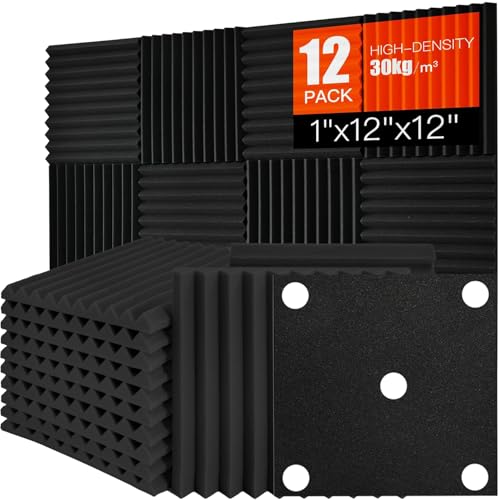
Professional Sound Absorption for Studios and Podcast Spaces - High-density acoustic foam panels and sound absorbing panels are designed to manage reflections and reduce echo in studios, podcast rooms, vocal booths, and YouTube content creation spaces, delivering clearer and more controlled audio without structural soundproofing.

Complete Coverage Package: Includes 12 fiberboard panels that are 2'x4' each, for a total of 96 sq. ft
Hammers and Their Influence on Sound
Hammers are like the musicians in a grand orchestra, each one striking to create beautiful sounds! When they hit the piano strings, they spark those delightful vibrations that we all love to hear. It’s fascinating to think that the way hammers are made—whether they’re hard or soft—can really change the quality of the sound. For instance, a softer hammer might produce a warmer tone, while a harder one usually results in a brighter sound.
Also, where a hammer strikes the string can make a big difference too. If it hits closer to the edge, the note might have a sharper quality. The materials used, like the felt that covers the hammer core, can contribute clarity and richness to the tone. It’s amazing how such a small component can have such a huge impact on the music! Now, speaking of sound, let’s explore how the piano’s design influences these beautiful melodies. Choosing hammers with durable hard maple shanks is essential for maintaining consistent tone quality and projection over time.
Recommended Products

Assortment of 9 Hammers

[Authentic Tone Restoration] Crafted with premium Japanese Wool Felt, these piano hammers deliver a warm, clear, and balanced sound. The high-density felt ensures superior energy transfer and consistent tone response across the entire keyboard, making it ideal for restoring the authentic acoustic character of your upright piano.

Upright Piano Hammer Shanks
Exploring String Properties and Quality
Hey there! You know, strings in a piano are just like the colorful threads in a tapestry, all working together to create beautiful music. The quality of these strings can seriously influence how the whole instrument sounds. When they vibrate, they create those rich, resonant tones we love.
Have you ever wondered what affects the pitch of a piano? It boils down to three key factors: length, tension, and diameter of the strings. For example, a thicker string generally produces a lower pitch, while a thinner string will create a higher tone. Plus, the bass strings often have copper windings, which add a whole layer of warmth and depth to the sound.
Spacing also plays a crucial role. Properly arranged strings help ensure clarity across all notes, so they don’t muddle together when you play. Now, here’s something interesting: environmental factors, like humidity and temperature shifts, can actually change the tension in the strings over time, which may impact the sound quality—definitely something to keep an eye on!
That’s where regular maintenance comes in. Keeping up with string care and knowing when to replace them is key to preserving that gorgeous tonal integrity of your piano. Nobody wants a piano that sounds off, right? It’s all about making sure your instrument can truly shine! So, let’s talk about some easy maintenance tips next—what do you think? 🎶 Many musicians also find that upgrading to high-quality components, similar to using polypropylene capacitors in electric guitars, can enhance tonal clarity and warmth.
Effects of Piano Placement on Sound
You know, the placement of a piano really plays a huge role in how the sound comes across! Whether you tuck it away in a cozy corner or place it boldly in the middle of the room, each spot can change the way those notes resonate. For example, when you keep a piano a bit away from the walls, it allows the sound to breathe, leading to a clearer and more vibrant tone.
But here’s a fun fact: if you put the piano in a corner, it can actually enhance those deep bass notes! Sound waves bounce off the walls, creating a fuller and richer sound. You might want to try it out—just move it around and see how the music changes.
Also, think about elevating your piano if you can. This simple adjustment can help reduce vibrations and improve sound projection. And don’t overlook your furniture! Things like carpets and curtains can either soak up sound or help it travel, so they can really alter the acoustics of your space. Experiment with different arrangements until you find the perfect spot. Who knows? The right placement could transform your practice sessions into an experience you’ll look forward to even more. Maintaining the optimal humidity level between 40-60% around your piano also contributes significantly to preserving its tone and structural integrity.
The Interaction Between Player Technique and Tone
You know what’s really fascinating about playing the piano? The way a pianist’s technique can completely shape the tone quality! When a pianist strikes a key, how they use their fingers—whether they’re firm or gentle—determines how fast the hammers hit the strings. It’s like a little dance between the fingers and the instrument, isn’t that cool?
When it comes to dynamics, a pianist can create everything from soft whispers to powerful roars, making the music feel so emotionally rich. For example, if they play with a lighter touch, the sound can be delicate, almost like a sigh, while a stronger touch can produce a bold, striking sound that demands attention.
But here’s the kicker: once a key is struck, it’s tough to change that note! So, pianists have to be super careful with their initial touch. They also cleverly use the sustain pedal to blend notes together and create a smoother sound. It’s all about finesse!
What’s more, each pianist brings their own unique flair to the music. Their personal experiences and emotions shape how they play, so you get these beautiful, one-of-a-kind tones. Isn’t it amazing how technique and expression come together? It really makes you appreciate the artistry behind every performance!
Using a high-quality sustain pedal with features like a polarity switch can further enhance a pianist’s expressive capabilities and sound projection.
The Impact of Environment on Piano Sound
Hey there! You know, it’s fascinating how much the environment around a piano influences its sound. Even if you’re a fantastic pianist, the way your piano is placed can really change the way it sounds. For example, if you position your piano near a wall or in a corner, it tends to boost the bass response, making those low notes resonate more. Pretty cool, right?
And here’s something neat – the changing seasons can actually affect your piano too! The wood can expand or contract, which alters its tone quality. So, if you notice your piano sounds a bit different in the summer compared to winter, that’s likely why.
Also, don’t forget about the size of your piano. Grand pianos and upright pianos produce sound differently due to their designs. A grand piano projects sound beautifully in open spaces, while furniture and types of flooring can really muffle or complicate the sound in smaller areas. If your piano feels squished, try moving it to a more open area – it could totally enhance your musical experience.
In addition, choosing an ergonomic piano bench can improve your playing posture, which indirectly affects your control over tone and projection.
Voicing and Regulation: Fine-Tuning the Instrument
You know how a piano has that magical quality when it plays just right? Well, that’s where regulation comes in! It’s all about adjusting the tiny parts of the piano’s action, like making sure the keys are the right height and the hammers line up perfectly. Imagine pressing a key and it feels smooth and effortless!
Now, let’s talk about voicing. This is where we tweak the hardness or softness of the hammers, which can really change how the piano sounds. For instance, if the hammers are softer, the notes will come out with a gentler tone—kind of like the difference between talking quietly and shouting!
Even small adjustments at the point where hammers hit the strings can make a big difference in how the music flows. Plus, changes in humidity and temperature can affect the piano’s materials, making regular voicing and regulation essential for keeping that consistent tone you love. By staying on top of these adjustments, you help create a beautiful balance of overtones that lets you express all kinds of emotions through your music. Isn’t that fascinating? Now, speaking of keeping your piano happy, let’s explore how tuning plays a role in this whole process!
Recommended Products

Adjustable piano hmmer voicing tool

Piano Tools

Piano Tuning Kit: Includes 9 piano tuning tools: 1 x piano tuning wrench, 2 x rubber mute with hanle, 4 x rubber wedge mute, 1 x felt temperament strip and 1 x storage bag. Meet your tuning needs and help you tune piano in time
Evaluating Personal Preferences in Sound Quality
Sound quality is such an important factor when you’re sitting down to play the piano! It’s interesting how each pianist develops their own unique preferences based on their experiences with different sounds. For instance, some folks love that bright, cheerful tone, while others are really drawn to a deeper, richer sound that resonates throughout the room.
Have you ever thought about how various components like hammer felt, string length, and even the materials used in the soundboard can affect those tones? It’s pretty amazing! Professionals often pick their instruments based on their playing style; for example, a concert pianist might choose a grand piano for its dynamic range, while a jazz pianist might prefer a smaller, vintage model for its warm timbre.
Once you start exploring the different qualities of sound, it really opens up a whole world of possibilities. It’s not just about playing notes; it’s about expressing emotions through the music. Speaking of emotions, let’s talk about how different genres can influence your sound choices!
Frequently Asked Questions
What Is the Tone Quality of a Piano?
Q: What affects the tone quality of a piano?
A: The tone quality of a piano is primarily determined by the resonant string vibrations created by the hammer action. This interaction produces a unique sound that is rich and dynamic, heavily influenced by the piano’s design and materials.
*Practical Tip: When purchasing a piano, consider models made with high-quality materials for superior tone quality.*
Q: How does the design of a piano influence its sound?
A: The design of a piano, including its size, shape, and internal structure, plays a crucial role in shaping its sound. A well-designed piano will enhance resonance and sustain, contributing to a more vibrant tone quality.
*Caveat: Be cautious, as a beautiful design does not always guarantee excellent sound; testing the piano in person is recommended.*
Q: What materials are important for piano tone quality?
A: The materials used in a piano, such as the type of wood for the body and the quality of the strings and hammers, significantly affect its tone quality. Higher-quality materials tend to produce a richer and more dynamic sound.
*Tip: Look for pianos constructed from solid wood rather than laminate for improved tone quality.*
Q: How do dynamics play into a piano’s tone quality?
A: Dynamics refer to the range of volume a piano can produce, which is an essential aspect of its tone quality. The ability to play softly or loudly while maintaining a clear and pleasing sound enhances the overall musical experience.
*Caveat: Remember that learning proper technique is crucial for achieving a full dynamic range in your playing.*
What Is the 80 20 Rule in Piano?
Q: What is the 80/20 rule in piano practice?
A: The 80/20 rule in piano suggests that concentrating on key practice techniques can lead to most of the improvements in sound production. By prioritizing essential skills, pianists can see substantial advancements in tone quality and emotional expression.
Tip: Focus on specific areas such as scale practice or finger strength for more effective results.
Q: How can the 80/20 rule improve my playing?
A: By identifying and dedicating time to the most impactful practice methods, pianists can achieve noticeable progress in a shorter span of time. This approach encourages efficiency, allowing musicians to use their practice time wisely.
Tip: Track your practice sessions to see which techniques yield the best results, and adjust your focus accordingly.
Q: What are some essential skills to prioritize?
A: Some essential skills include proper finger positioning, dynamic control, and articulation. Concentrating on these key areas can significantly enhance performance quality.
Caveat: Don’t neglect the importance of rest and mental practice; both are crucial for comprehensive skill development.
How Do You Know if a Piano Is Good Quality?
Q: How can I identify a good quality piano?
A: A good quality piano features meticulous craftsmanship and high-quality soundboard materials. When you play, you should notice tonal richness, clarity, and resonance, which indicate the piano’s overall performance potential.
*Tip: Always test the piano in person to evaluate its sound and feel before purchasing.*
Q: What should I listen for when playing a piano?
A: When playing, pay attention to the tonal richness and clarity of the sound. A well-made piano will have a balanced resonance across the keys, enhancing your playing experience.
*Caveat: Different music styles may require different tonal qualities, so consider your preferred genre when testing.*
What Factors Create the Various Tone Qualities We Hear in Music?
Q: What factors contribute to the tone qualities we hear in music?
A: Tone qualities in music result from multiple factors, including string tension, hammer material, soundboard resonance, key action, pedal mechanics, and string gauge. These elements work together to create the overall sound experience of a performance.
*Tip: Experiment with different string gauges to see how it affects your instrument’s tone.*
Q: How does string tension affect tone quality?
A: String tension plays a critical role in determining pitch and volume, producing a brighter or darker sound based on how tightly the strings are pulled. Higher tension often yields a more powerful tone, while lower tension can create a softer sound.
*Caveat: Be mindful that altering string tension can impact the overall tuning stability of your instrument.*
Q: What is the role of hammer material in sound production?
A: The material of the hammers influences the tonal characteristics of the sound produced. For example, felt hammers can create a warmer sound, while harder materials might produce a brighter tone.
*Tip: If you’re looking to change your sound, consider trying different hammer materials to find what best suits your style.*
Q: How does soundboard resonance affect tone?
A: The soundboard’s ability to resonate amplifies and shapes the instrument’s sound, contributing depth and richness. A strong, well-rounded soundboard can enhance the instrument’s overall tone quality.
*Caveat: Ensure your soundboard is properly maintained, as damage can significantly affect its resonant qualities.*
Q: What impact does key action have on tone?
A: Key action affects how quickly and easily a musician can produce sound, influencing both dynamics and tonal expressiveness. A responsive key action allows for greater nuance in playing, enhancing the overall musical experience.
*Tip: Regularly check and adjust your instrument’s key action to ensure optimal performance and tonal response.*
Q: How do pedal mechanics contribute to tone quality?
A: Pedal mechanics play a significant role in sustaining notes and creating dynamic effects, enhancing the instrument’s tonal qualities. The smooth operation of pedals can lead to a more fluid sound.
*Caveat: Be aware that poorly maintained pedals can hinder both performance and the quality of sound produced.*
Q: What is the significance of string gauge in music tone?
A: String gauge affects the tension and thickness of the strings, which in turn influences the instrument’s tone and playability. Thicker strings can produce a richer tone, while thinner ones might yield brighter sounds with easier playability.
*Tip: Test different gauges to discover which provides the best balance of tone and playability for your style.*


