As an Amazon Associate, we earn from qualifying purchases. Some links on this site are affiliate links at no extra cost to you. Our recommendations are based on thorough research and editorial judgment.


Why Do Some Pianos Sound Brighter Than Others

Have you ever noticed that some pianos sound brighter than others? If you’re a musician, piano enthusiast, or simply curious about music, understanding what influences the tonal qualities of a piano can significantly enhance your appreciation and selection process.
You may be interested


Factors such as the soundboard material, with spruce wood known for its amplifying capabilities, and the quality of the strings wrapped in copper contribute to those distinctive sharp tones.
Additionally, elements like the hammer felt and cabinet construction can greatly affect whether the sound is vibrant or subdued.
Join us as we delve into the intricacies of these components and discover how they come together to shape the unique sound of each piano!
Key Takeaways
- Pianos sound brighter due to harder hammer felt, which produces sharper, clearer tones.
- High-quality steel strings wrapped in copper enhance brightness and clarity in sound.
- String tension balance is crucial; improper tension can lead to harsh overtones affecting brightness.
- The arrangement of wood grain in soundboards influences tonal characteristics; tighter grain can yield a brighter sound.
- Cabinet construction from dense hardwoods can enhance resonance, contributing to a brighter overall tone.
The Role of the Soundboard

Hey there! Have you ever thought about how important the soundboard is in a piano? It’s like the unsung hero of the instrument! Usually made from spruce wood, the soundboard acts as the main speaker for the piano. Imagine if it wasn’t there—your favorite songs would lose that magical touch!
A great soundboard can really amplify the music, giving it depth and resonance that makes it feel alive. The way the wood grain is arranged and how the spruce is dried plays a big role in shaping the sound. For instance, a soundboard with a tight grain might produce a brighter tone, while one with a wider grain could offer a warmer sound. On the other hand, if a piano uses synthetic materials for its soundboard, it might sound less rich and vibrant, more like plastic than wood. It’s pretty amazing to think how this simple-looking component can transform an ordinary sound into something extraordinary!
Moreover, the quality and density of the felt used in piano hammers also significantly influence the brightness and warmth of the piano’s tone.
String Quality and Tension

Hey there! So, we already talked about how crucial the soundboard is for a piano’s vibrant tone, but let’s switch gears and chat about the strings! You see, the quality of the strings plays a massive role in shaping the sound. Premium pianos typically use high-grade steel wrapped in copper, and this combo can create some really rich, resonant tones that make you want to sit down and play for hours.
Now, let’s talk about something just as important: tension. Think of it this way—if one string is way too tight and another is too loose, it’s like having a band where one musician is playing way out of sync. You’ll end up with shaky notes and annoying overtones that just don’t blend well. To keep everything in harmony, balanced string tension is essential.
Taking care of your piano through regular maintenance, like restringing and tuning, is key to keeping those strings sounding fresh and lively. Over time, strings can rust or stretch, which will dull their shine. Imagine playing a beautiful sonata, only to find that it lacks the brilliance you remember. If you want your piano to ring out beautifully with every note, focusing on string quality and proper tension is a must. And speaking of keeping things in tune, let’s chat about the art of piano tuning next! Additionally, choosing instruments with premium materials can significantly improve overall sound quality and durability.
Hammer Felt and Action Regulation

Hey there! Did you know that the hammers on a piano can actually develop grooves from all that enthusiastic playing? It’s pretty fascinating because those little grooves can brighten the sound of the piano! The density and hardness of the hammer felt play a huge role in this. For instance, softer felt tends to give you a warm, cozy tone, while harder felt really brings out those bright, lively notes that just make you want to move!
Now, let’s talk about action regulation. It’s all about how the parts of the piano work together. When the action is well adjusted, it ensures that each key strikes just right, which greatly affects how the piano sounds and feels when you play. Think of it like tuning up a bike—you want everything to be just right to ride smoothly. Regular maintenance, like reshaping those hammers to keep them from becoming too bright, is key. Adjusting the key weight also plays a critical role in how comfortably and responsively your piano feels during play.
So the next time you sit down at the piano, pay attention to how those hammers resonate with your music! Speaking of music, let’s explore how different keys can change the mood of a piece.
Cabinet and Case Construction
Hey there! You know, when it comes to how a piano sounds, it’s not just about the hammers hitting the strings. The way a piano is built—its cabinet construction—makes a huge difference too! For instance, a piano made from solid hardwoods like maple or mahogany tends to resonate better, giving it that rich, full sound we all love.
Think about it this way: heavier, denser cabinets help create deeper tones and minimize unwanted vibrations. If you’ve ever played a lightweight piano, you might have noticed it lacks that punchy, vibrant sound. The design of the cabinet also plays a key role, as the shape and construction method can dramatically impact the overall sound quality.
And let’s not forget craftsmanship! A well-built piano shines through with unique tonal qualities. For example, some pianos are meticulously crafted to highlight specific harmonics, making them stand out in a crowded space. It’s fascinating how the very structure holding the piano together influences its beauty! Now, speaking of beauty, let’s chat about how the materials used can affect the touch and feel of the keys. Using high-quality piano voicing tools can further refine the instrument’s sound by precisely adjusting the hammer felts.
Tuning and Maintenance Practices
Hey there! You know how beautiful pianos sound when they’re in tune? Well, proper piano tuning and maintenance are key to keeping those sweet melodies coming! Regular tuning helps maintain string tension, which is super important for a stable pitch. Without it, you might find yourself battling some annoying wobbly notes that just clash instead of harmonize.
And here’s the thing: if we don’t keep up with maintenance, we can end up with uneven string tensions. This can lead to those pesky overtones that can make the sound a bit too bright or harsh. A simple check-up can really make a difference! Think of it like cleaning your kitchen – if you keep it tidy, everything works better. Also, adjusting the voicing can help you get that perfect sound—balancing brightness with a warm tone, just like the right amount of seasoning in your favorite dish.
Oh, and don’t forget about the hammer felt! Every now and then, you should check on it to ensure it doesn’t harden over time, which can crank up the brightness and make your piano sound a bit too sharp. So, if you want to keep your piano happy and singing beautifully, regular tuning and upkeep are the way to go! Using protective accessories like a piano key cover can also help maintain your instrument’s cleanliness and sound quality by shielding the keys from dust and moisture. Now, let’s move on to some specific tuning techniques you might want to try.
The Influence of Piano Age
You know, the age of a piano really influences its sound in some pretty fascinating ways! Over time, the felt on the hammers compresses and hardens. This change often makes the tone brighter and more vibrant—kind of like how a good wine develops richer flavors. But sometimes that brightness can get a bit too intense, which can be a surprise!
On the flip side, older pianos might develop something called soundboard bowing. This can actually mellow out their sound, giving it a more rounded quality. It’s funny how new pianos usually start off feeling warm and cozy, but as they age, they can shift to a sharper tone unless they’re regularly maintained.
You see, the environment and how often the piano is played really matter! If you regularly tune and voice your piano, you can keep that balance. Think of it this way: you wouldn’t want your piano sounding like it just had a shot of espresso—too much energy can be overwhelming! So, each aging piano has its unique character, like a seasoned storyteller, waiting to share its tale.
Speaking of stories, have you ever wondered how different materials used in piano construction affect their sound? That’s another fascinating topic! Maintaining an optimal humidity level is crucial to preserving the piano’s tonal quality and preventing damage.
The Impact of Voicing Techniques
Have you ever noticed how the sound of a piano can feel so different from one instrument to another? That’s where voicing techniques come in! These processes determine how hammers hit the strings, shaping the sound into something bright and lively or soft and warm. For instance, when a technician adjusts the hardness of the hammers, it’s like choosing the perfect seasoning for a dish: just enough salt can make all the difference in taste! Softer hammers offer a cozy, mellow sound, almost like enjoying a cup of hot cocoa, while harder hammers bring a zing, similar to the excitement of a lively conversation.
Now, here’s the cool part: talented piano technicians can fine-tune each of the 88 hammers separately to make sure every note resonates beautifully. But remember, hammers wear down over time and can get firmer, making the sound sharper or louder. This is why regular voicing adjustments are crucial—think of it like checking the temperature while toasting marshmallows; you want that perfect golden brown without burning them! Keeping everything balanced is key to finding that sweet spot in your piano’s sound. Using the right piano pedals during practice also enhances expression and complements the tonal qualities created through voicing.
Recommended Products

Professional piano tuning repair kit, with storage bag, easy to use
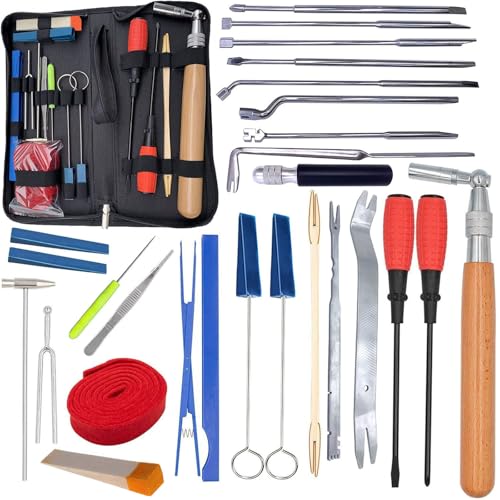
Includes 26 pieces piano tuning tools. For use with a large variety of piano repair and regulating tools.

Gooseneck tuning lever with #2 star tip
Room Acoustics and Piano Placement
Hey there! When it comes to the beautiful sounds of a piano, you’d be amazed at how much room acoustics and piano placement can affect what you hear. Imagine this: a piano placed in a room with high ceilings and hard walls will often sound bright and lively, while a space filled with soft furniture can mellow out those tones, giving it a warmer, cozier vibe.
Now, let’s talk about where you put your piano. Placing it against a wall can enhance the bass notes, making them richer and fuller. On the other hand, if you move it toward the center of the room, you might notice a more balanced sound overall. And here’s something interesting: the shape of your room can create standing waves, which might emphasize certain notes while muting others.
Additionally, using piano accessories like caster cups can help improve sound quality by stabilizing the instrument and reducing unwanted vibrations.
Bright vs. Warm Sound Characteristics
Hey! You know, sound characteristics can really change how a piano feels to play and listen to. When we talk about a bright tone, think about that sharp, clear sound you hear. It comes from using harder hammer felts that hit the strings with a distinct attack, giving it that lively vibration. Ever heard a piano that just sparkles? That’s often because of high-quality steel strings wrapped in copper, which really adds to that vibrant quality!
Now, if you turn your ears toward warm sounds, it’s a whole different vibe. These come from richer, deeper tones produced by denser materials like hardwoods. Imagine a cozy cafe where the piano just wraps you in its sound—that’s warm! A big part of that warmth is the balanced tension in the strings, kind of like how you would tweak the strings on your guitar for the perfect pitch. So, whether you’re drawn to the bright glimmer or the warm embrace of a piano sound, it’s all in the craftsmanship and materials used. Isn’t it fascinating how every detail influences the music you create? The use of durable wooden parts in piano hammer shanks and bridle straps plays a significant role in preserving sound clarity and precision over time.
The Connection Between Materials and Tone
Creating the perfect piano tone is a bit like baking a cake—every ingredient counts! In the piano world, materials play a crucial role in shaping the sound. For instance, spruce wood is commonly used for the soundboard because its tightly-grained structure enhances resonance, making those lovely vibrations come to life!
Have you ever thought about the hammer felt? Its hardness can significantly impact the sound produced. A harder felt strikes the strings with more force, which is why you often get that bright sound that many people adore. Plus, the materials of the strings are just as important! Strings made from high-grade steel and copper contribute to clarity and brightness.
The type of wood used for the piano cabinet also matters—a denser hardwood can amplify sound projection, letting the music fill the room. It’s fascinating how a thoughtful combination of these materials can create such a rich, resonant tone. Next time you hear a beautiful piano piece, consider the thoughtful craftsmanship behind it! High-carbon steel strings provide durability and bright sound that can transform the piano’s musical expression instantly.
The Manufacturing Process and Its Effects
You know, when you think about making a beautiful piano, it might seem like it’s just about sticking pieces together, right? But the truth is, the manufacturing process is much more fascinating and plays a huge role in how the piano sounds. For instance, did you know that the type of hammer felt can really change the sound quality? As the felt gets a bit harder over time, it can make notes sound brighter or more mellow depending on the material used.
High-end piano brands often use a technique called wet sand casting. This method allows for a slow curing process that helps prevent overly bright sounds from the piano, which is pretty cool if you ask me! The soundboard is usually made from spruce, which is known for creating that perfect mix of projection and warmth in the tone.
And we can’t forget about the strings! The quality and tension of these strings are crucial as they significantly influence how clear the notes come through. Plus, during the voicing process, manufacturers can adjust how the hammers strike the strings. This means every piano can have its unique personality tailored for each musician—and that’s just fascinating!
Personal Preferences in Piano Sound
You know, when it comes to a piano’s sound, personal preferences really play a huge role! Each musician develops a unique bond with their instrument based on the tone it produces. Some folks love a bright sound that shines through every note, while others prefer a warm, rich tone that feels like a cozy embrace. It’s kind of like deciding between a sunny beach day or curling up in a snug cabin during winter; both have their own special magic!
The type of hammer felt makes a big difference too. Softer felts create mellow, smooth sounds—perfect for that lush feel. On the other hand, if you like your notes to be bright and sparkly, harder felts are the way to go. And don’t forget about room acoustics! A space with lots of hard surfaces might make a piano sound sharper compared to a room filled with curtains and carpets that can soften the sound.
Oh, and here’s something really interesting: musicians can actually adjust the hammers using voicing techniques to get the sound they dream about. It’s like customizing your coffee just the way you like it! Imagine tweaking your instrument until it fits your style just right. Now that we’ve covered how personal preferences shape piano sound, let’s explore how playing technique can influence expression!
Frequently Asked Questions
What Makes a Piano Sound Bright?
Q: What contributes to a piano’s bright sound?
A: A piano sounds bright due to several key factors, including the hardness of the hammer felt, the quality of the strings, the materials used in the soundboard, and specific voicing techniques. These elements work together to enhance higher frequencies, resulting in a brighter tonal quality.
*Tip: When shopping for a piano, consider testing different models to see which ones produce the brightness you prefer.*
Q: How does hammer felt affect a piano’s brightness?
A: Harder hammer felt strikes the strings with more force, leading to a greater emphasis on higher frequencies, which contributes to a brighter sound. Softer felt can produce a warmer tone that may lack this brightness.
*Caveat: Keep in mind that a brighter piano might not suit every musical style, so consider your genre when assessing hammer felt hardness.*
Q: What role do strings play in a piano’s tonal quality?
A: The quality of the strings impacts the overall resonance and brightness of a piano. Higher quality strings tend to produce clearer, more sustained tones.
*Tip: Regularly check and replace strings if you notice a dull sound; fresh strings can significantly enhance brightness.*
Q: Why is the soundboard material important for brightness?
A: The soundboard’s material influences how vibrations resonate and are projected, which is crucial for tonal brightness. Some woods, like spruce, are known for their excellent acoustic properties.
*Caveat: While soundboard material is important, other factors like age and maintenance also affect sound quality, so ensure proper care.*
Q: How can voicing techniques alter a piano’s sound?
A: Voicing techniques involve adjusting the hammers and strings to enhance specific tonal qualities, including brightness. By shaping the hammers and making fine adjustments, technicians can create a more pronounced high-end response.
*Tip: Consider having your piano professionally voiced if it lacks the brightness you desire; a technician’s touch can make a significant difference.*
What Is the 80 20 Rule in Piano?
Q: What is the 80/20 rule in piano?
A: The 80/20 rule in piano suggests that 20% of the components, such as the soundboard, are responsible for 80% of the overall tone quality. This principle encourages manufacturers to focus on using high-quality materials in key areas to enhance a piano’s sound dynamics.
*Tip: When shopping for a piano, pay special attention to the soundboard and the materials used in its construction, as they significantly impact sound quality.*
Q: Why is the soundboard important?
A: The soundboard is critical because it amplifies the vibrations produced by the strings, directly influencing the piano’s tone and volume. A well-constructed soundboard can dramatically enhance the instrument’s overall sound.
*Caveat: Keep in mind that not all pianos with great soundboards will sound good in every setting; acoustics of the room also play a role in how the sound is perceived.*
Can You Legally Sell a Piano With Ivory Keys?
Q: Can I legally sell a piano with ivory keys?
A: Yes, but it depends on Ivory Regulations. Sellers must prove that the ivory is antique and must comply with both federal and state laws, which may have additional restrictions.
Tip: Always research local laws and consult with an expert in ivory regulations before proceeding with a sale to ensure compliance.
Q: What documentation do I need to provide?
A: Verification documentation proving the ivory’s antique status is essential for legal sale. This may include records, certificates, or appraisals to demonstrate compliance with regulations.
Tip: Keep all relevant documents organized and easily accessible to streamline the selling process and address any buyer inquiries effectively.
Why Do Some Pianos Sound Different?
Q: What causes pianos to sound different from one another?
A: Pianos differ primarily due to variations in materials: the type of wood for the soundboard, the hardness of the hammer felt, the quality of the strings, and the construction methods employed. These factors collectively influence the piano’s resonance and tonal characteristics.
*Tip: When selecting a piano, consider trying out different brands and models to find a sound that suits your preferences.*
Q: How does the soundboard material affect piano sound?
A: The soundboard, often made from spruce or other fine woods, plays a crucial role in amplifying sound. Each type of wood can impart distinct tonal qualities, with some woods offering brighter sounds while others may provide a warmer tone.
*Caveat: Be aware that wood can change over time due to humidity and temperature, which may alter the sound quality.*
Q: Why is hammer felt hardness important for piano sound?
A: The hardness of the hammer felt affects how the hammers strike the strings, influencing both the volume and the tone produced. Softer felt typically yields a warmer, mellower sound, while harder felt creates a brighter, more powerful tone.
*Tip: Experimenting with different hammers can help in achieving the desired sound for your style of play.*
Q: How do string quality and construction methods impact piano tone?
A: High-quality strings provide better resonance and sustain, while the construction methods (such as the scale design and tensioning) affect the overall sound projection and tuning stability. Well-crafted pianos are typically more consistent in tone across their range.
*Caveat: Regular maintenance and tuning are essential to keep your piano sounding its best, regardless of its initial quality.*


