As an Amazon Associate, we earn from qualifying purchases. Some links on this site are affiliate links at no extra cost to you. Our recommendations are based on thorough research and editorial judgment.


How Digital Pianos Simulate Acoustic Piano Sound

If you’ve ever wondered how digital pianos can replicate the rich, nuanced sound of an acoustic piano, you’re in for a treat! This exploration is perfect for musicians, tech enthusiasts, and curious music lovers alike.
You may be interested


Digital pianos simulate acoustic piano sound using impressive techniques like detailed sampling, which captures every note and dynamic nuance.
Imagine the rhythmic precision of hammers striking strings; digital pianos achieve this through weighted keys and, in some models, innovative physical modeling that generates sound in real time.
Get ready to learn about the special technologies that make digital pianos not only versatile but also a truly immersive musical experience.
Key Takeaways
- Digital pianos replicate acoustic sound through weighted keys and hammer-action mechanisms, mimicking the tactile experience of traditional pianos.
- Advanced sampling techniques capture detailed notes with multiple velocity layers for dynamic expression similar to acoustic performance.
- Physical modeling generates sound using algorithms, allowing for real-time adjustments and enhanced expressiveness in performance.
- Technologies like binaural sampling and instrument-specific modeling create immersive soundscapes and replicate nuances like resonance and sound decay.
- Portability and onboard speakers make digital pianos convenient for practice and versatile for various playing styles and recording options.
Understanding Acoustic Piano Sound Production

You know, when you think about music, it’s hard not to appreciate the incredible sound of an acoustic piano. It’s amazing how this instrument creates such rich tones and resonances—all thanks to the way it produces sound! When you press down a key, a hammer strikes the strings inside, and that causes them to vibrate, producing a note. It’s like magic, right?
With its 88 keys, each one has its own unique personality, contributing to a whole range of musical expression. For instance, if you play a soft melody, you might feel a gentle warmth in the sound, whereas striking the keys harder can unleash a bold and bright tone. That soundboard is crucial too; it amplifies those string vibrations, so when you play, it fills the entire room with that beautiful music.
Digital pianos strive to replicate this experience through hammer-action weighted keys, providing a realistic touch and sound simulation.
Representative Sampling Techniques

When you think about how acoustic pianos create their beautiful sounds, it’s really interesting to look at how digital pianos replicate that experience with Representative Sampling techniques. Essentially, this technology captures detailed recordings of individual notes, including subtle sounds like the hammers striking the strings and the dampers lifting.
High-end digital pianos take this a step further by using multiple velocity layers. This means that when you play a key softly, it produces a quieter sound, just like on an acoustic piano. For instance, if you play a gentle melody, you’ll hear those soft nuances that really bring your music to life. It’s all about making the experience feel more authentic!
Of course, these high-quality sounds require a lot of memory. That’s why budget models often cut back on the number of samples they use, which can make them sound less rich and dynamic. But with high-end options, like those from Yamaha or Roland, you get a depth of sound that truly impresses. It really shows how technology can enhance our musical experiences! Transitioning from knowing about digital pianos, it’s fascinating to consider how these advancements can influence our playing and creativity. Additionally, features such as 128-note polyphony ensure complex passages are rendered without note dropout, preserving musical integrity.
Recommended Products

Digital stage piano with piano, organ, and synthesizer sound engines

Two super-clear OLED displays for on-stage clarity, seamless transitions when changing programs/sounds, extended Split functionality with optional crossfade, and the addition of the new Song List Mode
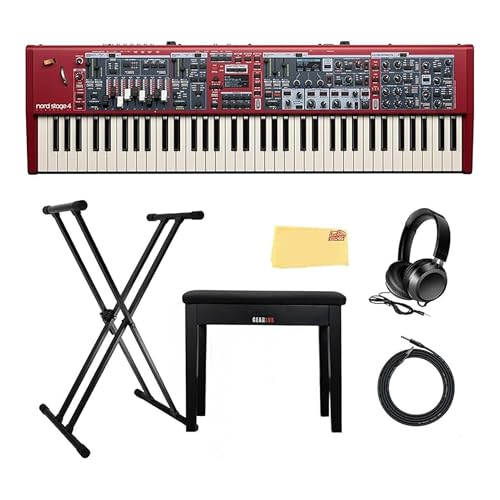
73-KEY WATERFALL KEYBED RANGE (E–E): Semi-weighted waterfall keybed with aftertouch enables fast organ techniques, glissando and smooth transitions for live performance
Limitations of Sampling Methods

Hey there! Let’s chat about sampling methods when it comes to digital pianos. They’re pretty cool because they recreate sounds, but they do have a few quirks that can change how you play. For instance, did you know most digital pianos max out at 128 dynamic levels? That’s a bit limiting when you want to express the subtle changes in a concert piece—try bringing that soft, delicate touch to life across all those notes!
Also, the quality of the samples can take up a whole lot of memory. On the lower-end models, to save space, manufacturers often record fewer notes. This can result in a sound that doesn’t quite capture the full essence of an acoustic piano. Sometimes, you might even find that certain notes are just missing altogether! It’s like trying to make a cake without all the ingredients—doesn’t quite turn out the same, right?
While these sampling methods strive for a realistic piano experience, they sometimes fall a bit short of the warmth and depth found in a real acoustic piano. So, it becomes a balancing act between convenience and authenticity. But knowing these little details can help you make the right choice if you’re out shopping for a piano. Ready to explore more about what to look for in a digital piano?
One critical aspect to consider is the instrument’s dynamic range, which influences the expressiveness and tonal quality you can achieve.
Recommended Products

Accompaniment Styles add a "backing band" when you play or perform for dynamic and professional results. Customize and personalize your music while maintaining control over chord changes and arrangements.

The GP-3 is the most compact and affordable grand in the acclaimed GP series, bringing you premium piano performance in a unique low-profile design that makes a statement in any living space.

First stage piano to feature triple sensors that track the movements on the hammers rather than the keys delivering the smooth dynamic touch of an acoustic grand.
Transition to Physical Modeling
Hey there! Have you heard about the latest trend in digital pianos? It’s all about physical modeling! Instead of the old method where actual piano sounds are recorded (that’s called sampling), modern digital pianos are using cool algorithms to replicate how an acoustic grand piano actually works.
Think of it this way: with physical modeling, the piano creates sounds on the fly, making your playing feel way more alive and expressive! You can even adjust the dynamics and nuances of your performance almost endlessly. For example, when you play softly, it sounds delicate, but if you hit those keys harder, the sound bursts with power.
One of the trailblazers in this tech is Roland’s V-Piano. It demonstrates just how realistic piano sounds can be without using up tons of memory. And have you heard about the upgraded versions like Roland’s SuperNATURAL? They even combine sampling with physical modeling to give you that ultra-authentic sound. It’s pretty fascinating how far the technology has come, right?
Additionally, achieving a high polyphony capability ensures that these advanced sound models can be fully realized without notes cutting off during complex performances.
Recommended Products

Less is more: enough physical elements to have great control, with a surprisingly effective and streamlined user interface, you won’t have to give up any function

Yamaha CFX and Bösendorfer Imperial piano samples bring two of the world's finest and most prominent concert grand pianos to your fingertips

Graded Hammer 3 (GH3) with synthetic ivory key tops add a tactile surface to the white keys, which absorbs finger moisture and prevents slipping.
Enhanced Sound Technologies
Hey there! Have you checked out how digital pianos have really stepped up their game with some amazing enhanced sound technologies? It’s incredible how these innovations make playing feel just like the real deal. For example, Roland’s SuperNATURAL tech actually reads how you play and adjusts the sound accordingly. Can you imagine how satisfying that must feel?
Then there’s Yamaha’s Virtual Resonance Modeling, which captures the unique way string vibrations blend with the piano’s soundboard. It’s like having a mini concert hall in your living room! And let’s not forget Kawai’s SX-EX Rendering; it’s designed to replicate how sound decays naturally, which adds depth to your music.
Oh, and if you haven’t experienced binaural sampling yet, you’re in for a treat! It creates a 3D sound experience, especially when you wear headphones. It’s fascinating that modern digital pianos can create such rich soundscapes. All of this makes playing feel more immersive and enjoyable. Don’t you think it opens up so many new artistic possibilities for musicians today? Additionally, many digital pianos feature 128-note polyphony, ensuring that the richest compositions never lose a note for seamless performance.
Recommended Products

QUIET DESIGN: The Roland VQD106 is crafted with advanced materials to reduce noise by 75%, making it ideal for quiet practice with pad strikes as quiet as normal conversation

SOUND & TECHNOLOGY: The Casio digital piano features the Multi-Dimensional Morphing AiR Sound Source, offering expressive grand piano tones with realistic resonance and dynamic variations for an authentic experience

Rich expression from Roland’s SuperNATURAL Piano technology
Evaluating Digital Pianos for Authenticity
Hey there! So, if you’re trying to figure out how to measure the authenticity of a digital piano, you’re on the right track. It all starts with the sound. Quality models, like Kawai’s, use something called Progressive Harmonic Imaging. This technology captures all those rich, complex sounds that you’d hear from a real acoustic piano.
Next up is polyphony. Think of it like a voice count; having 128 notes means you won’t lose any sound when you’re playing tricky pieces with lots of notes happening at once. And then there are weighted keys. This feature is super important because it mimics the feel of an acoustic piano, making your playing experience feel way more authentic.
Oh, and we can’t forget about SuperNATURAL technology! It does a fantastic job of simulating all the nuances of sound, like how the tone changes as you play. Finally, pay attention to the speaker quality. Good built-in speakers make a huge difference in how clear and realistic the sound is. Additionally, many top digital pianos now include hammer action that closely replicates the tactile response of an acoustic piano’s keys, enhancing the playing experience.
Recommended Products

88-key Digital Piano with Grade-weighted Hammer-action Wooden Keys
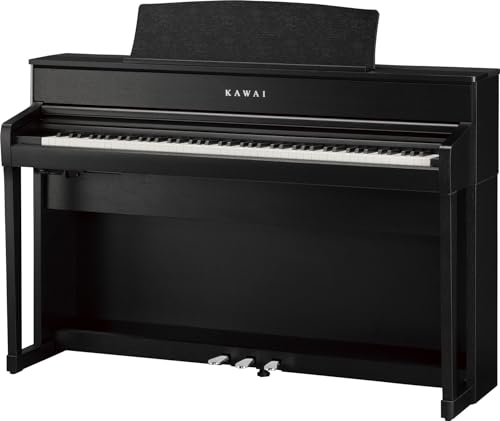
88-key Digital Piano with Grade-weighted Hammer-action Wooden Keys
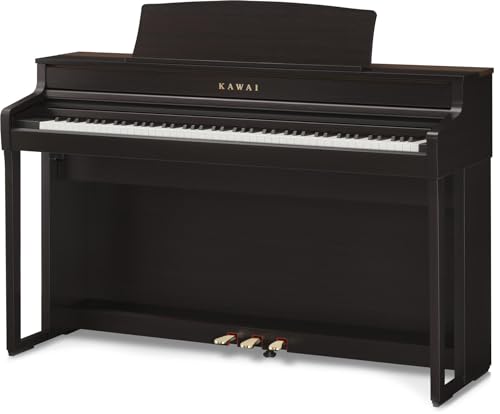
88-key Digital Piano with Grade-weighted Hammer-action Wooden Keys
Frequently Asked Questions
Which Digital Piano Sounds Most Like an Acoustic?
Q: Which digital piano models are preferred for their acoustic likeness?
A: Yamaha models are highly favored for their superior sound sampling and realistic key action, making them stand out among preferences for acoustic sound. Meanwhile, Korg and Roland also provide impressive technological advancements that enhance overall speaker quality.
*Tip: Always try out the piano in person to gauge how closely it matches your preferences for acoustic sound.*
Q: How do brand reputation and pricing affect digital piano selection?
A: Brand reputation plays a significant role in selecting realistic digital pianos, as leading brands like Yamaha and Roland often invest heavily in innovation and quality. Price comparisons further underline that higher price tags generally correlate with better sound and features, but there are exceptions.
*Caveat: Don’t assume that the most expensive model is the best; consider your playing style and needs first.*
Can a Digital Piano Sound Like a Real Piano?
Q: Can digital pianos replicate the sound of real pianos?
A: Yes, advancements in sound sampling and mechanisms allow digital pianos to closely emulate the sound quality of acoustic pianos. They capture the nuances of various playing styles, enhancing the overall user experience.
*Tip: Always try before you buy, as different digital pianos will have varying levels of sound realism.*
Q: How do digital pianos achieve realistic sound quality?
A: Digital pianos use advanced technology to sample real acoustic pianos, providing a rich and authentic sound. They also feature mechanisms designed to replicate the feel of playing an acoustic piano.
*Caveat: Be aware that while many digital pianos sound great, some may lack the dynamic range of higher-end acoustic pianos.*
What Is the Difference Between Acoustic and Digital Piano Sound?
Q: What are the main differences in sound between acoustic and digital pianos?
A: Acoustic pianos produce sound through physical strings and hammers, leading to rich tone variations and natural resonance. In contrast, digital pianos use electronic sound samples and speakers, which may not fully replicate the acoustic dynamic range.
*Tip: If you’re choosing between the two, consider how much you value authentic sound versus convenience.*
Q: How do sound mechanisms differ in acoustic and digital pianos?
A: Acoustic pianos rely on mechanical actions, where the player’s touch affects the volume and tone. Digital pianos simulate this through sensors and software, which can sometimes feel less responsive than their acoustic counterparts.
*Caveat: Test the key action on a digital piano to ensure it feels comfortable and natural for your playing style.*
Q: What are the advantages of digital pianos compared to acoustic pianos?
A: Digital pianos are portable, typically more affordable, and require less maintenance than acoustic pianos. They also often come with features like headphone jacks for quieter practice.
*Tip: Evaluate how portability might impact your practice environment and space.*
Q: Are there any downsides to digital pianos?
A: Digital pianos may lack the complex resonance and depth of sound found in acoustic pianos, potentially limiting the expressiveness of your performance. Additionally, some digital models might have a narrower dynamic range.
*Caveat: If possible, try out multiple models to find one that offers a sound quality you find satisfying.*
How Does a Digital Piano Make Sound?
Q: How does a digital piano create sound?
A: Digital pianos produce sound using sound synthesis and sound sampling techniques. They replicate the sounds of traditional acoustic pianos while allowing for key response and touch sensitivity adjustments to cater to the player’s style.
*Tip: Experiment with different touch sensitivity settings to find the one that feels most comfortable for your playing style.*
Q: What technology is involved in the sound production of digital pianos?
A: Digital pianos incorporate audio technology that includes speaker systems, MIDI functionality, and effects processing. This combination enhances the dynamic range and allows for greater musical creativity compared to traditional pianos.
*Caveat: Ensure your speakers are well-positioned for optimal sound distribution, as placement can significantly affect your listening experience.*


