As an Amazon Associate, we earn from qualifying purchases. Some links on this site are affiliate links at no extra cost to you. Our recommendations are based on thorough research and editorial judgment.


Who Invented the Piano and Why It Changed Music Forever

Discover the fascinating story behind the invention of the piano by Bartolomeo Cristofori around 1700, a revolutionary instrument that transformed the landscape of music forever!
You may be interested

If you’ve ever wondered how this remarkable creation enables musicians to convey a range of emotions with nuance and dynamics, you’re in the right place.
In this exploration, you’ll learn about the innovative design featuring hammers that allowed for expressive playing, setting it apart from the fixed-volume harpsichord.
Furthermore, we’ll delve into how the piano rapidly gained popularity in both homes and concert halls, becoming a cornerstone of music that still resonates today.
Get ready to uncover the impact of the piano on society and its lasting significance in the world of music!
Key Takeaways
- Bartolomeo Cristofori invented the piano around 1700, introducing a hammer mechanism that allowed for dynamic volume control.
- The piano transformed musical expression, enabling composers like Beethoven to convey a wide range of emotions through varying intensities.
- Its popularity in 19th-century households fostered social gatherings, making music accessible and emphasizing the importance of music education.
- The piano’s dynamic range suits various genres, making it central to memorable songs like Elton John’s “Your Song” and Billy Joel’s “Piano Man.”
- Modern innovations, including digital pianos and online lessons, continue to enhance the learning experience, ensuring the piano’s relevance today.
The Evolution of Keyboard Instruments: A Need for Expression and Control

Have you ever thought about how keyboard instruments have evolved over the years? It’s pretty amazing! Musicians have always been on the lookout for new ways to convey their emotions through sound. Take the harpsichord, for example—it created beautiful music but played all its notes at the same volume. Can you imagine how dull that must have sounded after a while?
Then, in comes the clavichord. This instrument allowed musicians to control the volume a bit by pressing the keys harder or softer. But here’s the catch: it was too quiet for performances in larger spaces. As a result, musicians really wanted an instrument that could deliver both soft whispers and loud crescendos.
Finally, we got the piano! Its unique design uses hammers to strike the strings, giving musicians a whole new level of expression and dynamic range. This innovation let composers explore a wide range of emotions—think of pieces by Beethoven or Chopin, which take you from heartfelt whispers to thunderous climaxes. Pretty exciting, right? It really transformed how music is performed and experienced. Now, let’s explore how these advancements have influenced modern instruments even further! Digital pianos today often feature graded hammer action keys to replicate this expressive control and authenticity.
Recommended Products

𝐍𝐞𝐰 "𝟑𝐃" 𝐒𝐨𝐮𝐧𝐝 𝐒𝐲𝐬𝐭𝐞𝐦 - The newly upgraded speaker system - the unique hanging design of the speaker box makes the output sound more three-dimensional, providing you with the best listening experience. And this design reduces the footprint of the piano keyboard. DDP-200 88 keys digital piano has made significant advances in appearance and tone improvement

【88 Weighted Key Digital Piano】Experience the authentic touch of an acoustic piano from a digital piano. With bass keys that feel heavier and treble keys that are lighter, the DDP-300 electric piano offers a real playing sensation

【88-Key Graded Hammer Action Keyboard】:Full-size weighted keys with progressive touch—heavier bass, lighter treble, replicating the feel of an acoustic grand piano for authentic playing and proper finger training.
Bartolomeo Cristofori: The Inventor Behind the Piano

Have you ever wondered who invented the piano? Well, that credit goes to Bartolomeo Cristofori, an inventive spirit from Florence who came up with this groundbreaking instrument around 1700. What made his invention so special? He introduced a unique hammer mechanism that allowed musicians to play notes softly or loudly, which was something the harpsichord couldn’t do. Can you imagine the thrill of being able to control the volume of your music for the very first time?
Cristofori called his instrument the “clavicembalo col piano e forte,” which translates to “harpsichord with soft and loud.” This design meant that you could express a wider range of emotions in your playing. For instance, a gentle, whispering melody could build to a powerful, dramatic climax, opening up all sorts of new possibilities for composers and performers alike.
Even though Cristofori’s inventions didn’t gain much immediate attention, he continued to create several prototypes that demonstrated just how innovative he really was. His work laid the foundation for the modern piano we know today, allowing music lovers to enjoy more expressive performances. Thanks to Cristofori, our musical landscape was forever changed! It’s fascinating to think about how one individual’s creativity can shape an entire art form.
For those learning to play this expressive instrument, using visual learning aids can greatly enhance the understanding of music and note recognition.
Recommended Products
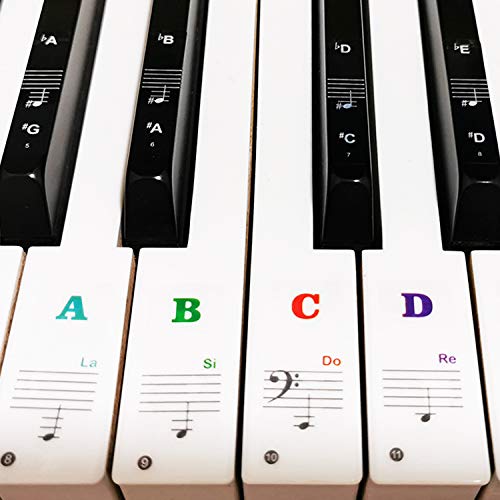
🎹 Size: Suitable for all 88/61/54/49/37 key pianos and keyboards. White key sticker 4.0cmX1.55cm(1.57”X0.61”). Black key sticker 3.9cmX0.85cm(1.54”X0.33”).
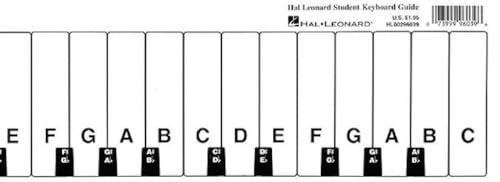

COMPREHENSIVE TRAINING TOOL: Full 48 inches long, fits across all 88 piano keys, shows ALL notes and positions on the music staff
How the Piano Revolutionized Musical Expression

You know, the piano really transformed musical expression in such a big way! It didn’t just change the way music was made; it opened up a whole new world for musicians and composers. Thanks to its unique hammer mechanism, the piano allows performers to play with dynamics—imagine going from a gentle, soft note to a booming, powerful sound just by how you press the keys. It’s like painting with sound!
Before the piano became popular, instruments like the harpsichord had a pretty uniform sound, which made it hard to convey different emotions. The piano changed that completely. Composers like Beethoven took full advantage of this versatility, crafting pieces that explored a wide range of feelings. For instance, in his “Moonlight Sonata,” you can hear the soft, reflective passages contrasted with more intense sections, showcasing the emotional depth that the piano enables.
What’s so exciting about the piano is that it lets musicians express their feelings in a way that feels rich and nuanced. With every press of a key, there’s a new opportunity to communicate feeling and creativity. It’s truly a wonderful addition to the music world, making it more expressive than ever! And speaking of expression, let’s explore how composers used these techniques to connect with their audiences. The development of digital pianos with high polyphony capacity continues this tradition by allowing complex layering and richer sound textures for modern players.
Recommended Products

88 Keys Electric Piano Keyboard with Stand features full-size 88 keys for authentic piano feel. Ideal music keyboard for adults, perfect for beginners to develop finger control. A versatile electric piano keyboard for learning, teaching, and performing—compact yet expressive.

Full-Weighted Key Touch: Experience the authentic feel of an acoustic piano right in your living room. With 88 full-size weighted keys, this digital piano provides a realistic touch from the deep bass to the bright treble, heavier in the low notes and lighter in the high notes. Whether you're playing softly or with intensity, it responds perfectly to every nuance of your fingers

[Your Piano Keyboard Tutor] Follow the built-in red LED lights and play along with more than 4000 sheet music, 100 instructional videos and games in our apps. Guides you to learn songs one step at a time (or one hand at a time!) at your own pace. Perfect first piano for adult beginners – easy to set up, play and learn from day one. The ONE Smart Keyboard Piano is your personal music teacher that makes learning fun and fast.
The Spread of the Piano Across Europe
You know, the piano really captured the hearts of music lovers all over Europe! It was created by Bartolomeo Cristofori, but it took a while for it to become a favorite. At first, people hesitated because these instruments were quite fragile and expensive.
But then European builders stepped in and made some significant improvements. They strengthened the structure and boosted the piano’s volume and tone. By the late 1700s, big names like Mozart and Beethoven were playing the piano, and their captivating performances filled concert halls with excitement. Can you imagine hearing them live?
As more middle-class families brought pianos into their homes, these instruments became a central part of social gatherings and music lessons. Picture families coming together around the piano to share songs or even dance! The piano not only filled their homes with beautiful music but also helped create lasting connections between people. It became an essential part of life in Europe back then.
Modern digital pianos now replicate the authentic grand piano voices that made these early instruments so beloved, using weighted hammer action to mimic the original acoustic feel.
And that brings us to the next chapter of the piano’s journey—how it continued to evolve and influence music around the world.
The Piano’s Role in 19th Century Society
You know, it’s fascinating how the piano became this symbol of sophistication and social life in the 19th century! Initially, some people weren’t too sure about these modern keyboard instruments, but they quickly took center stage in middle-class households. Families would gather around the piano for singalongs, making music a shared experience that brought them closer together.
As upright pianos became more common, it opened the door for kids and adults to pick up lessons more easily than ever before. Suddenly, everyone was learning how to play – even the famous composers like Chopin and Liszt got their start this way! Their incredible performances helped people appreciate the piano’s emotional range, making it a beloved choice for amateur musicians and concert-goers alike.
With the rise of sheet music, music wasn’t just for the elite anymore. Now, everyone had a chance to join in the fun, whether by playing their favorite tunes at home or attending a lively concert. It’s amazing to think about how something as simple as a piano could bring so many people together through the joy of music! It really highlights the importance of music education and its role in community life. Speaking of which, let’s explore how music education evolved alongside these changing dynamics.
Maintaining the piano’s quality through proper humidity control was essential to preserving its sound and structure for these rising musicians and enthusiasts.
The Impact of the Piano on Modern Music Genres
Hey, have you ever thought about how much the piano has influenced modern music genres? It’s not just a beautiful instrument; it’s a crucial part of what makes many songs tick! The piano’s dynamic range lets musicians play everything from soft, delicate notes to powerful, sweeping chords. This versatility is key in shaping genres like jazz, blues, and rock, where the emotional depth really shines through.
Take Elton John, for example. His songs like “Your Song” showcase how he uses the piano to create those unforgettable melodies that tug at our heartstrings. And then there’s Billy Joel with classics like “Piano Man,” where the piano isn’t just an accompaniment; it’s the center of the whole experience.
Plus, with electric and digital pianos, artists can experiment with sounds in ways that weren’t possible before, opening up new avenues in popular music. The adaptability of the piano keeps it relevant, all while stirring up feelings in listeners everywhere. Interestingly, just like how musicians benefit from the ergonomic design of adjustable piano benches to enhance their playing comfort, the piano itself continuously adapts to meet the needs of its players. Isn’t it cool how such an old instrument continues to inspire today’s hits?
The Digital Age: The Piano’s Adaptation and Endurance
Hey there! Have you noticed how the piano is thriving in this digital age? It’s amazing to see how digital pianos have made it so much easier for everyone to pick up this instrument. You can practice quietly with headphones, which is a huge plus if you’re trying to avoid disturbing anyone. Plus, with MIDI technology, musicians have so many options to tweak sounds and capture their music in new ways—just think about how you can layer different sounds or even mix genres with a few clicks.
And here’s something really cool: there are apps out there that provide instant feedback while you play. Imagine getting tips on your timing or technique right then and there. It’s like having a friendly coach by your side, giving you pointers as you learn.
Then there’s the world of online piano lessons. You can find courses for all skill levels, whether you’re a total newbie or looking to refine your skills. But no matter how much technology evolves, nothing really replaces that special feeling you get when you’re playing the piano—it’s a timeless connection that resonates with all kinds of musicians. So, as we embrace these new tools, the heart and soul of the piano continues to thrive, captivating audiences of every generation.
Modern weighted digital pianos with 88 fully weighted keys ensure that this classic instrument retains its authentic feel even in the digital realm.
Recommended Products

🎹 【Full-Weighted 88 key keyboard】The digital electric piano is constructed by 88 full-sized hammer action keys with adjustable touch response. This 88-key weighted keyboard allows to adjust your desired playing style.

88 Key Full-Weighted Digital Piano - The 88 key heavy hammer action keyboard simulates the acoustic piano, accurately captures the strength of your fingers and gives you a grand piano touch. It’s a good electronic piano to replace the grand piano for teaching or learning.

Outstanding Sound Quality: Immerse yourself in the exceptional sound quality delivered by our digital piano, powered by the renowned French Dream5704 sound chip. The sound resonates with depth and emotion, creating a truly immersive musical experience. Choose from 8 distinct tones and explore a library of 40 demo songs that provide ample room for creativity and skill improvement.
Learning the Piano: Resources and Opportunities for Aspiring Musicians
If you’re excited about learning the piano, let me tell you, there are so many fantastic options out there! It’s incredible how resources for aspiring musicians have expanded in the digital age. For example, “Piano for Beginners” by David Bennett has attracted over 1.2 million subscribers, showcasing how popular piano lessons have become.
I recently came across Artie, an AI piano teacher that gives you instant feedback while you play. It’s like having a personal tutor right there with you! Imagine practicing your favorite songs and getting suggestions to improve your technique while you do it.
And speaking of songs, there are great collections out there with easy tunes for beginners. Think about songs that only use two or four chords—over 125 of them are available! They’re perfect for getting your fingers moving and building confidence. Plus, with various apps and online tools, even if you’re juggling a busy schedule, you can still carve out time to learn the basics.
For those who want to keep their piano in top shape, using high-quality felt bushings can significantly improve the feel and sound of the instrument.
Recommended Products

Over 45 Songs Teaching Dynamics and Use of the Pedal


Frequently Asked Questions
Why Did Someone Invent the Piano?
Q: Why was the piano invented?
A: The piano was invented to enhance musical versatility and serve as an expression tool, improving performance dynamics. It allowed musicians to explore a wider range of emotional expression in their compositions.
*Tip: Consider taking piano lessons to fully appreciate its expressive capabilities.*
Q: What cultural impact did the piano have?
A: The piano sparked innovations in composition and left a significant cultural impact, enriching music across various genres. Its accessibility made it a central instrument in many music styles, from classical to jazz.
*Caveat: While the piano is versatile, mastering it requires time and practice; be patient with your progress.*
What Disability Does Lucy From the Piano Have?
Q: What disability does Lucy from “The Piano” have?
A: Lucy is deaf, which significantly influences her approach to learning and playing the piano. This unique challenge also informs her emotional depth and artistic expression throughout the narrative.
*Tip: Understanding the nuances of deafness can enhance your appreciation of how it affects artistic expression.*
Q: How does Lucy’s deafness affect her music?
A: Her deafness fosters a heightened awareness of visual elements in music, allowing her to connect emotionally to her performances. This context results in deeply nuanced interpretations that resonate well with her experiences.
*Caveat: While deafness enhances certain aspects of musical creativity, it also presents considerable obstacles in traditional learning methods.*
How Did the Invention of the Piano Change Music?
Q: How did the invention of the piano impact musical expression?
A: The piano introduced a broader dynamic range and variety of performance styles, allowing for more nuanced expression. It enabled composers to explore harmonic complexity and innovative compositions, significantly enriching the musical landscape.
*Tip: When experimenting with piano music, try varying your playing dynamics to enhance emotional expression.*
Q: What effect did the piano have on composition and culture?
A: The development of the piano sparked a wave of compositional innovation, influencing various music genres and styles. Its accessibility expanded the listener base, facilitating a wider cultural impact in music.
*Caveat: While accessibility is important, be mindful that not every musical style suits the piano; explore other instruments as well.*
Q: How did the piano evolve access to music?
A: The piano’s popularity made music more accessible to a broader audience, as it became a staple in homes and social gatherings. This democratization of music allowed more individuals to engage with and appreciate musical art forms.
*Tip: Consider hosting casual piano gatherings to introduce friends and family to live music, enhancing community engagement with the art.*
Can You Legally Sell a Piano With Ivory Keys?
Q: Is it legal to sell pianos with ivory keys?
A: Selling pianos with ivory keys can be legally complex due to strict ivory ban laws. These laws vary by country and region, and many places have imposed significant restrictions on the sale of any ivory items, including piano keys.
*Tip: Always check local regulations or consult a legal expert before attempting to sell a piano with ivory keys.*
Q: What ethical considerations are involved in selling vintage pianos?
A: Vintage piano sales raise ethical concerns surrounding the sourcing of ivory and the impact of such sales on wildlife conservation. Many collectors and sellers are now prioritizing instruments made from alternative materials to promote responsible practices.
*Caveat: Be transparent with buyers about the materials used in the piano to ensure responsible buying.*
Q: What challenges exist in restoring pianos with ivory keys?
A: Restoring pianos with ivory keys can be difficult due to the fragility of the material and the potential legal issues surrounding its use. Restorers often need to balance authenticity with preservation, which can complicate the process.
*Tip: Consider sourcing synthetic alternatives that mimic the appearance of ivory for restoration projects to avoid legal complications.*